
Siemens equipment
We personally find you the right new, used & refurbished Siemens instruments & equipment from verified suppliers
Siemens is a German medical technology and diagnostics manufacturer specializing in laboratory diagnostics, medical imaging, and in vitro diagnostics. The company traces to Siemens & Halske, founded by Werner von Siemens and Johann Georg Halske in Berlin in 1847, with the healthcare division incorporated as Siemens Healthineers AG in 2017 and headquartered in Erlangen, Germany. Its diagnostic portfolio covers clinical chemistry analyzers, immunoassay systems, hematology analyzers, hemostasis testing, and lab automation, under product lines including Atellica, ADVIA, Dimension, and IMMULITE. On Questpair, 217 Siemens items are listed from 11 verified suppliers and distributors across 5 countries.
Updated:
Siemens product list


Not the exact instrument you need?
Tell our scientists what you are after. We track it down, including off-market supply.
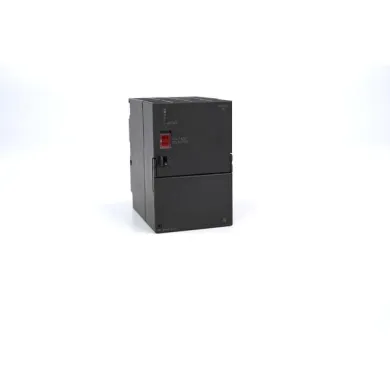
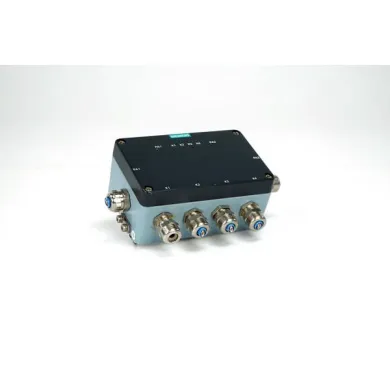
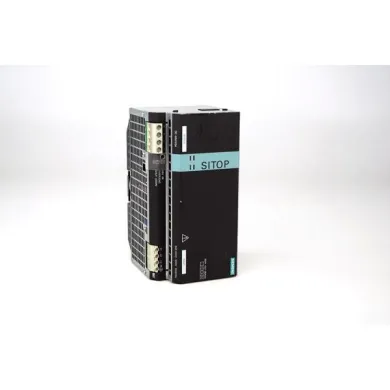
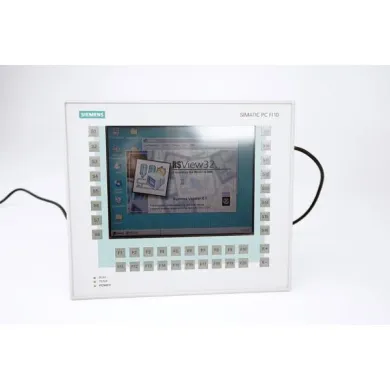
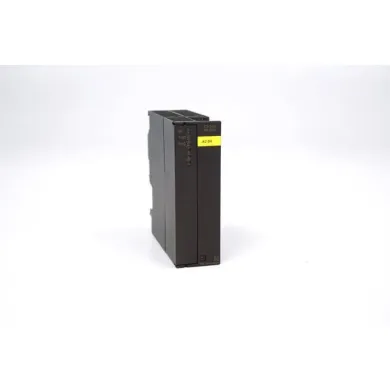
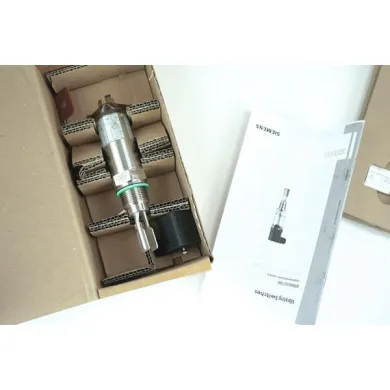
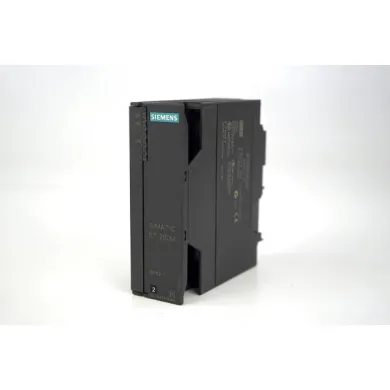
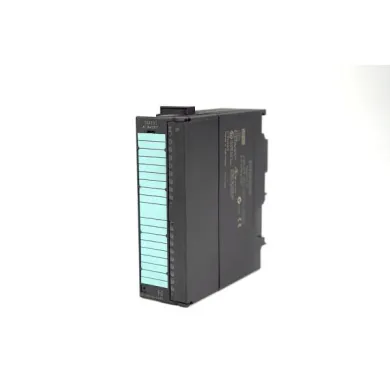
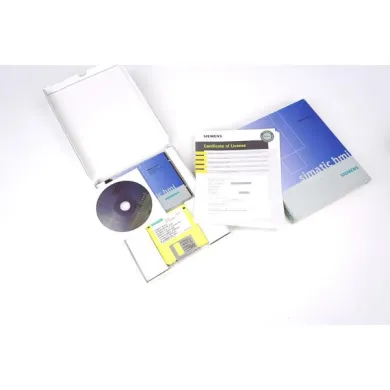
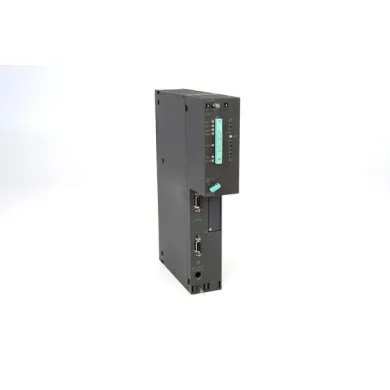
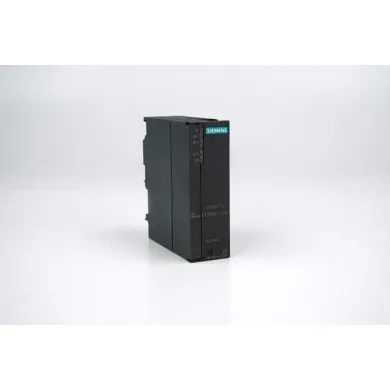
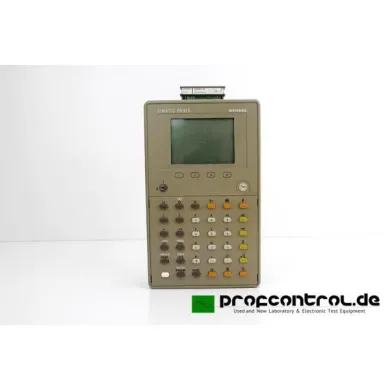
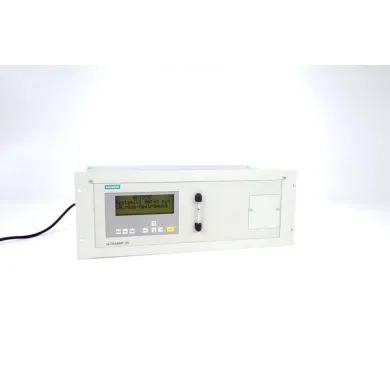
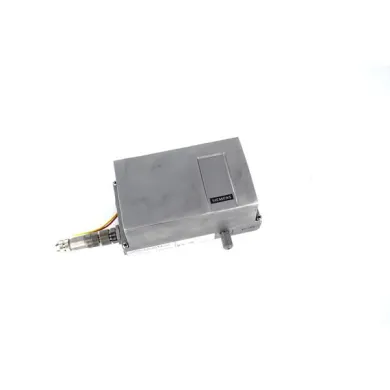
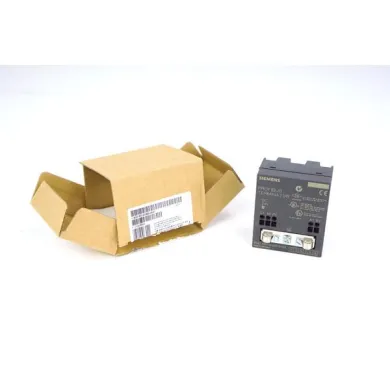
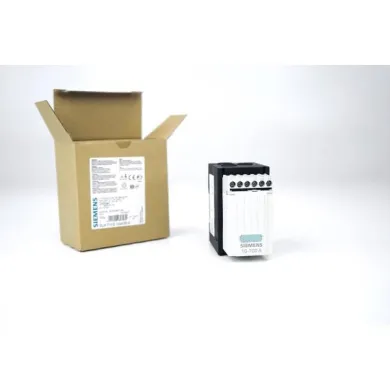
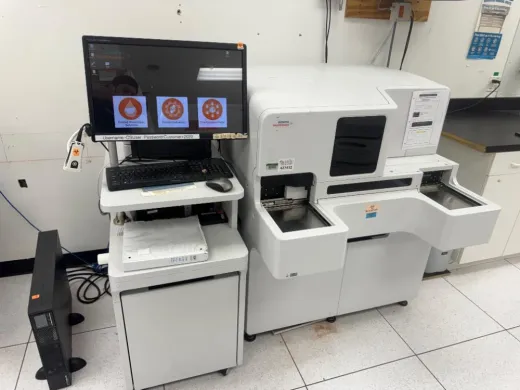
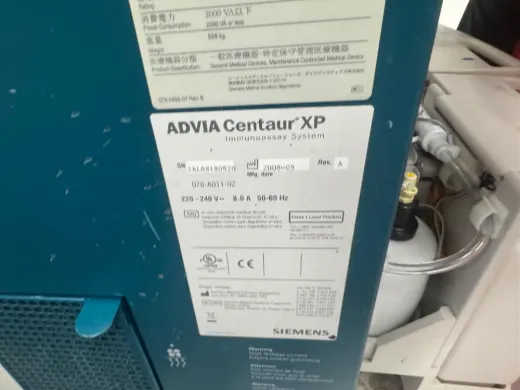
Not the exact instrument you need?
Tell our scientists what you are after. We track it down, including off-market supply.
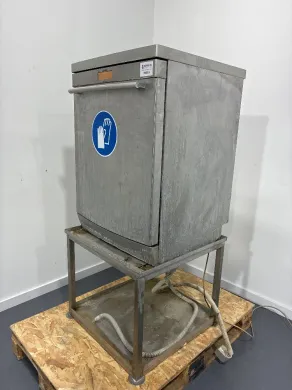
Showing 1–40 of 250 listings
Show 40 more listingsAbout Siemens
Siemens is a German medical technology and diagnostics manufacturer specializing in laboratory diagnostics, medical imaging, and in vitro diagnostics. The company originates from Siemens & Halske, founded by Werner von Siemens and Johann Georg Halske in Berlin in 1847 as a telegraph construction firm. The healthcare division was spun off as Siemens Healthineers AG in 2017, with the spin-off completed in 2018, and Siemens AG remains the majority owner with an approximately 75 percent stake. The diagnostics business is headquartered in Erlangen, Germany. Its catalogue spans clinical chemistry analyzers, immunoassay systems, hematology analyzers, urinalysis systems, hemostasis testing, molecular diagnostics, point-of-care diagnostics, and lab automation. These systems sit at the centre of in vitro diagnostics, the laboratory testing of blood, serum and other samples that underpins clinical decisions in hospitals and reference labs.
Within life sciences and clinical research, this equipment does immunoassay and clinical chemistry work: immunoassay analyzers quantify hormones, cardiac markers and infectious-disease antigens, while clinical chemistry systems measure metabolites, enzymes and electrolytes. Hematology analyzers perform the complete blood count that sits behind haematology and oncology diagnostics, and molecular diagnostics platforms run nucleic acid testing for pathogen detection and genomics-adjacent assays. Hemostasis instruments are also used for coagulation testing in both patient care and clinical trial laboratories. These are the measurements that molecular diagnostics and immunoassay laboratories run daily, and the Siemens portfolio covers most of that bench.
Siemens diagnostic analyzer product lines
The portfolio is organised around named platforms rather than individual instruments. The Atellica Solution and Atellica CI integrate clinical chemistry and immunoassay on a shared track, aimed at high-throughput central labs. The ADVIA family splits into ADVIA Chemistry Systems, ADVIA Centaur immunoassay systems and ADVIA Hematology Systems, each a long-running line with an established consumables base. The IMMULITE 2000 XPi is an immunoassay analyser with a broad specialty-assay menu, and the Dimension Systems cover integrated clinical chemistry. For sample handling, Aptio Automation links analysers into a single pre- and post-analytical track, while the CLINITEK Novus handles automated urinalysis. On Questpair, listings cluster around the ADVIA, Dimension and IMMULITE lines, which reflects how widely those platforms were installed before newer systems replaced them.
How price and condition break down on Questpair
73 percent of the listings are used. Prices run from EUR 50 to EUR 17.218, with an average around EUR 1.192. That range reflects the span of the portfolio, from compact urinalysis and point-of-care readers through to full immunoassay and clinical chemistry analysers. Used and new units are both listed, and the used instruments carry lower prices than new ones. The catalogue currently holds 217 items from 11 verified suppliers and distributors across 5 countries, which gives a buyer several conditions and configurations to compare within a single platform line.
How to source parts, documentation, and a warranty
Parts for these analysers can be sourced via Questpair. Manuals and documentation are available by contacting Questpair, where specialists respond within one hour. A warranty is often possible and is arranged in consultation for the specific listing, which is also where a buyer weighing a used unit against a new one should look, since the condition and terms attach to the individual instrument rather than to the platform as a whole.
Questpair review of Siemens
Our take based on listings data and supplier feedback
Siemens occupies a distinct position in laboratory diagnostics, where the company competes on integrated analyzer platforms rather than standalone instruments. The three benefits above reflect how the brand actually shows up on the secondary market, and each warrants closer reading before a purchase.
The installed base is the starting point for any used-equipment decision. Clinical chemistry analyzers, immunoassay systems and hematology analyzers from this maker are embedded in hospital central labs and reference laboratories across Europe, which means a steady flow of decommissioned instruments reaches resale as labs consolidate onto newer platforms. That supply is visible in the catalogue: 217 items are listed from 11 verified suppliers and distributors spread across 5 countries. For a buyer, breadth of supply matters because it widens the pool of configurations and conditions to compare, rather than forcing a decision on the first unit that appears.
Price and condition are the second consideration, and here the data is concrete. 73 percent of the listings are used. Used diagnostic instruments are listed at prices below new, and the catalogue as a whole runs from EUR 50 to EUR 17.218, with an average around EUR 1.192. That spread is wide because the Siemens portfolio ranges from compact point-of-care and urinalysis units at the low end to full clinical chemistry and immunoassay analyzers at the top. A buyer reading the range should map it against the specific platform in view, since a Dimension clinical chemistry system and a CLINITEK urinalysis reader sit at opposite ends of it.
The third point concerns longevity, and it is where diagnostics differs from general lab equipment. Platforms such as the ADVIA Chemistry Systems, the ADVIA Centaur immunoassay line and the Dimension analyzers are built around established reagent chemistries and consumable workflows that remain supported over long product cycles. An instrument bought used can therefore stay clinically useful for years, provided the reagent line it depends on is still available. This is the question that most repays checking before purchase: not the instrument's age, but whether its assay menu and consumables remain in supply for the tests a lab intends to run.
Taken together, the three benefits describe a brand whose used instruments are abundant, priced below new, and functionally durable, but whose value depends heavily on matching a specific platform to a specific diagnostic workload. Where a buyer needs to weigh a used unit against a new one, the individual listing is the place to look, and a warranty can be arranged in consultation for that listing. The strongest due diligence for this maker is less about the hardware than about the reagent ecosystem each platform runs on.
**Deep installed base across European clinical labs**
Siemens diagnostic systems appear in hospital and reference laboratories throughout the region, and 217 items are currently listed on Questpair from 11 verified suppliers and distributors across 5 countries.
**Used instruments listed well below new**
73 percent of the listings are used, and these units carry lower prices than comparable new systems, with the catalogue spanning EUR 50 to EUR 17.218.
**Consumables-driven platforms with long service lives**
Analyzers such as the ADVIA and Dimension lines run for years on established reagent chemistries, which keeps older instruments viable long after their first installation.
Frequently asked questions
Where can I find manuals and documentation for Siemens analyzers?
Documentation for a specific Siemens analyzer can be requested by contacting Questpair, where specialists respond within one hour. Since manuals vary by model and configuration, pointing them to the exact unit you are looking at gets the right version.
How much does a Siemens analyzer cost?
Listings for this maker range from EUR 50 to EUR 17.218, with an average of EUR 1.192. The lower end covers reagent-handling accessories and spare parts, while complete chemistry and immunoassay systems sit at the higher end.
What's the difference between refurbished and used Siemens equipment?
Used units are sold in their existing working condition, while refurbished units have been reconditioned before resale. Both are listed below new prices, and the exact condition, configuration, and any testing performed are set in the individual listing.
Do Siemens analyzers come with a warranty?
A warranty is often possible and is arranged in consultation for the specific listing. The terms attach to the individual unit rather than to the Siemens brand as a whole, so check the listing you are interested in.
Are Siemens analyzers suitable for clinical and research laboratories?
Siemens in vitro diagnostics platforms are built for the sample-throughput demands of hospital and reference laboratories. Clinical chemistry, immunoassay, and haematology analysers also appear in biotechnology and research settings that run routine patient-sample testing.
How long do Siemens analyzers last?
Service life depends on the platform, usage intensity, and maintenance history rather than a fixed figure. A used analyser that matches an existing reagent and calibration workflow can stay in service for years when parts remain available, which is why platform continuity matters for older systems.
Can I still get parts for Siemens analyzers?
Parts for Siemens analysers can be sourced via Questpair. Availability varies by platform, so naming the exact model and the component you need helps when checking against current inventory.
What are the alternatives to Siemens diagnostic analyzers?
Alternatives depend on the testing class: for clinical chemistry and immunoassay, systems from other in vitro diagnostics makers compete with the Atellica and Dimension lines, and the choice usually turns on whether a lab is already standardised on a particular reagent and calibration workflow. Switching platforms means revalidating assays, which is often the deciding factor rather than the analyser itself.
How long is the lead time on a Siemens listing?
Lead time depends on the individual seller, the unit's location, and whether it is a complete system or a part. The verified suppliers and distributors behind these listings operate across 5 countries, so timing is confirmed per listing.
What is the difference between parts and spares for Siemens analyzers?
In practice the two terms are used interchangeably for Siemens analysers: both refer to replacement components such as reagent-handling assemblies or consumable-adjacent hardware for an installed system. On Questpair these fall under the lower-priced end of the inventory rather than complete analysers.
Can Siemens equipment be shipped internationally?
Listings come from verified suppliers and distributors across 5 countries, so international shipping is often possible. The specific arrangements and any import handling are agreed with the seller on the individual listing.
Which Siemens product lines are there and how do they differ?
The Atellica Solution and Atellica CI consolidate clinical chemistry and immunoassay, while the ADVIA range splits into ADVIA Chemistry Systems, ADVIA Centaur Systems for immunoassay, and ADVIA Hematology Systems. The IMMULITE 2000 XPi handles immunoassay, Dimension Systems serve clinical chemistry, CLINITEK Novus covers urinalysis, and Aptio Automation connects analysers into an automated workflow.
Which Siemens instrument classes are actually listed here and in what condition?
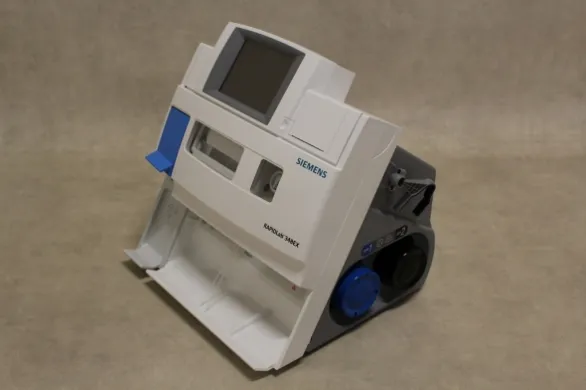
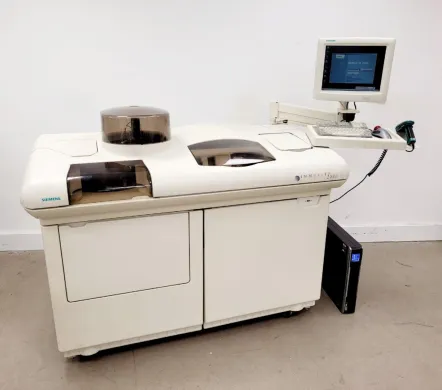
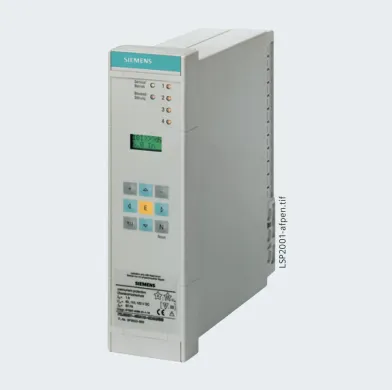
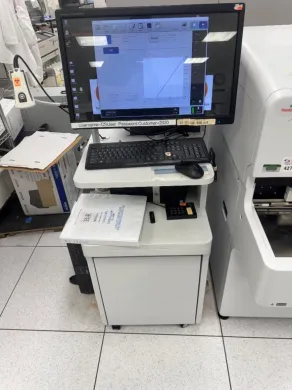
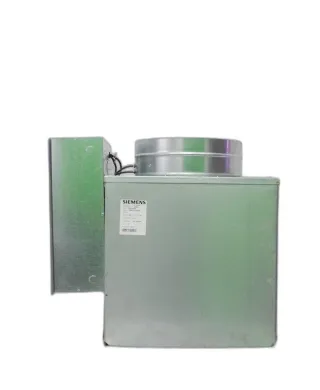
The instrument types appearing on this page include clinical chemistry analysers, blood gas analysers, electrolyte analysers, and laboratory ventilation and air terminal equipment, alongside laboratory exhaust air terminals. Across the brand, 73 percent of listings are used, with 59 new entries, and condition is stated per listing.
What separates the cheapest Siemens listings from the most expensive?
The lowest prices correspond to reagent-handling accessories and spare parts for installed analysers, while the highest correspond to complete chemistry and immunoassay systems. Between those ends, configuration, condition, and whether the item is a standalone instrument or part of an automated line account for the spread from EUR 50 to EUR 17.218.
About Questpair
Questpair is the European marketplace for lab equipment, where AI-prepared cases and personal specialists guide every purchase. We work with 247 verified suppliers across 38 countries to find buyers the right new, used or refurbished instruments, with response within 1 hour and significant savings vs buying new.
Personal · Fast · Reliable · Affordable