
Powervar equipment
We personally find you the right new, used & refurbished Powervar instruments & equipment from verified suppliers
Powervar is an American power protection equipment manufacturer that produces UPS systems, power conditioners, and power distribution units for medical, laboratory, and industrial applications. The company was founded in 1986 by Peter Nystrom in Tustin, California, and now operates from Waukegan, United States, as part of AMETEK Inc. following its acquisition in 2013. Its product lines span uninterruptible power supplies, power conditioners, power distribution units, local area power centers, and mobile power managers. On Questpair, used Powervar equipment is listed by verified suppliers and distributors across 2 countries.
Updated:
Powervar product list
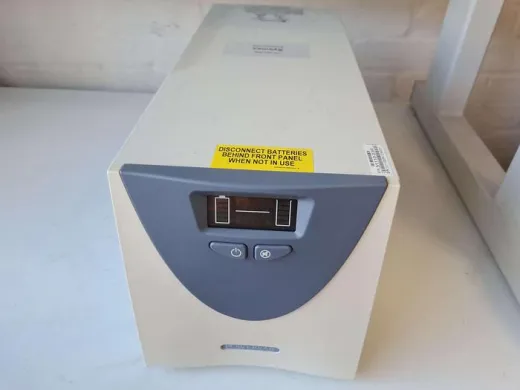
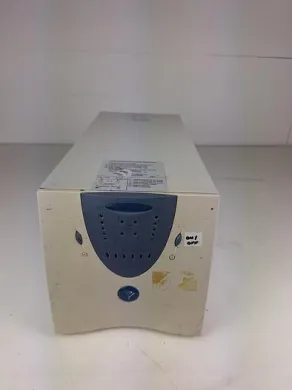
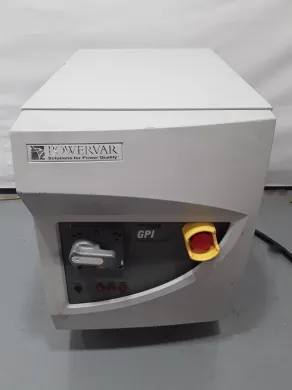
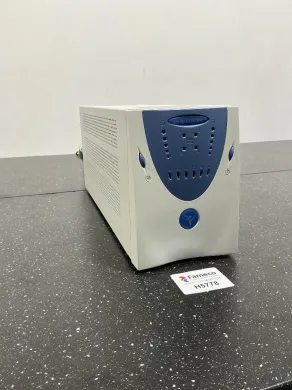


Not the exact instrument you need?
Tell our scientists what you are after. We track it down, including off-market supply.
About Powervar
Powervar is an American power protection equipment manufacturer producing UPS systems, power conditioners, and power distribution units for medical, laboratory, and industrial applications. It was founded in 1986 by Peter Nystrom in Tustin, California, originally to manufacture transformer-based power conditioners and uninterruptible power supplies. The company is now headquartered in Waukegan, United States, and became part of AMETEK Inc. after an acquisition in 2013. Its primary categories are uninterruptible power supplies, power conditioners, power distribution units, local area power centers, and mobile power managers. The defining characteristic across these lines is transformer-based isolation, an approach that separates the connected equipment from the incoming supply rather than simply clamping surges. This places Powervar's products between the building's electrical system and the instruments that depend on stable, clean power.
Powervar product lines
The uninterruptible power supplies provide battery backup that carries a connected load through outages and brownouts, holding a mass spectrometer or a sample-storage freezer online long enough to ride out an interruption or shut down safely. The power conditioners are the brand's foundational product, filtering common-mode and normal-mode noise and correcting voltage variation before it reaches sensitive electronics. Power distribution units manage how a single protected source feeds multiple outlets, which matters on a crowded bench or in a rack of networked instruments. Local area power centers combine conditioning and isolation for a defined work area, and are the line most associated with medical and clinical installations because of their isolation-transformer design. Mobile power managers extend the same protection to equipment on carts and in field settings. The transformer isolation common to several of these lines is what separates Powervar from vendors offering battery backup alone.
Several of these products support work in laboratory and life sciences settings where an interruption or a power disturbance has downstream consequences. In molecular biology and genomics workflows, thermal cyclers running PCR and automated sequencers execute programmed runs that can last hours, and a voltage sag mid-run wastes both reagent and sample. Isolation and conditioning protect the instruments behind cell culture incubators and the refrigeration units that hold reagents for immunoassay and protein purification. A power conditioner for laboratory instruments is specified in installations of chromatography and spectroscopy systems, where detector electronics resolve signals at a level that electrical noise can easily corrupt. An uninterruptible power supply for laboratory freezers and incubators guards the stored material that proteomics and cell imaging work depends on. In clinical and diagnostics settings, the isolation transformers behind molecular diagnostics equipment also serve the leakage-current limits that patient-adjacent instruments require. These are the fields where power protection stops being an accessory and becomes part of the instrument specification.
What Powervar equipment is on Questpair?
The Questpair catalogue lists used Powervar equipment across the categories above, from 5 verified suppliers and distributors in 2 countries. 100 percent of the listings are used. Prices range from EUR 45 to EUR 3.121. The average sits at EUR 816, which reflects a catalogue spanning small point-of-use conditioners through to larger local area power centers.
Documentation for a specific model can be requested through Questpair, where specialists respond within one hour. Parts can be sourced via Questpair as well. A warranty is often possible and is arranged in consultation for the individual listing, so the terms are tied to the unit rather than set across the catalogue. For a buyer weighing a used Powervar unit against a new one, the difference the catalogue supports is price: used units are listed below new, and the condition and specification of any given unit are described in its own listing.
Questpair review of Powervar
Our take based on listings data and supplier feedback
Powervar occupies a specific corner of the laboratory supply chain: the equipment that sits between the wall outlet and the instrument. This is infrastructure most buyers notice only after a power event damages an expensive analyzer or interrupts a run. The company has built its product range around that failure point since 1986, and its acquisition by AMETEK in 2013 placed it within a larger analytical and industrial instrumentation group. The three points below reflect what the Questpair listings actually show about the brand.
The first point concerns the conditioning itself. Powervar's power conditioners use transformer-based isolation rather than simple surge suppression, which addresses a broader set of electrical problems: common-mode noise, voltage sags, and transient spikes that a basic power strip does nothing about. For a laboratory running a mass spectrometer, an HPLC system, or an automated liquid handler, this matters because the electronics in those instruments are sensitive to the exact disturbances a conditioner removes. A corrupted data point or an aborted sequence carries a real cost in reagent and instrument time, which is why power conditioning appears as a line item in many instrument installation specifications. The Questpair catalogue reflects a range of sizes within this class, consistent with the different load ratings that different instruments require.
The second point is price and condition. All Powervar listings on Questpair are used, with 100 percent of the listings in that condition. Prices run from EUR 45 to EUR 3.121, with an average of EUR 816. That spread is wide because the category covers everything from small point-of-use conditioners to larger local area power centers that supply a whole bench or a rack. A used power conditioner is a more defensible purchase than a used precision instrument, since the core component is a transformer rather than a calibrated detector, and the function is verifiable at installation. Buyers weighing a used unit against a new one are trading on price alone here: the lower listing price is the one claim the catalogue supports, and any warranty is arranged in consultation for the specific listing.
The third point is the medical and clinical angle. Powervar's local area power centers and isolation transformers are designed for environments with leakage-current limits, which brings them into clinical laboratories, diagnostic equipment installations, and settings where patient-connected instruments share a power source. This is a narrower application than general lab use, but it is the one that distinguishes Powervar from a generic UPS vendor. The company's long history in transformer-based isolation, rather than in battery-backup electronics alone, is what underwrites that positioning. On Questpair, these units appear alongside the standard UPS and conditioner listings, sourced from 5 verified suppliers and distributors. For a buyer specifying power protection for a laboratory build-out, the catalogue gives a view of what is available on the secondary market without committing to new pricing.
**Clean power for sensitive instruments**
Powervar builds transformer-based power conditioners that filter electrical noise and voltage transients, the kind of interference that corrupts readings on mass spectrometers and chromatography detectors.
**Used-only listings at a lower entry price**
Every Powervar unit in the Questpair catalogue is listed as used, with prices from EUR 45 to EUR 3.121 across 5 verified suppliers and distributors.
**Medical-grade isolation for lab and clinical settings**
The product range includes isolation transformers and local area power centers designed to meet the leakage-current limits required in medical and laboratory environments.
Frequently asked questions
Where can I find manuals or documentation for a Powervar unit?
Documentation for a specific Powervar model can be requested through Questpair, where specialists respond within one hour. Give the model or series name on the listing so the right material is matched to your unit.
How much does Powervar equipment cost?
Across the Questpair catalogue, prices range from EUR 45 to EUR 3.121, with an average of EUR 816. The spread reflects everything from small point-of-use power conditioners to larger local area power centers.
What is the difference between refurbished and used Powervar units?
Both used and refurbished Powervar units are listed below the price of new. The condition and specification of any given unit are described in its own listing, so check that listing for the state of the specific item.
Is there a warranty on a used Powervar UPS or power conditioner?
A warranty is often possible and is arranged in consultation for the individual listing. The terms are tied to the specific unit rather than set across the whole catalogue.
Is Powervar equipment suitable for clinical or research use?
Powervar's transformer-based isolation is built for medical, laboratory, and industrial applications, and the local area power centers in particular are associated with clinical installations because of their isolation-transformer design. In molecular diagnostics and patient-adjacent settings, that isolation also addresses the leakage-current limits those instruments require.
How long does a Powervar UPS or power conditioner last?
Lifespan depends on the product type and usage: power conditioners and isolation transformers have few consumable parts, while UPS systems rely on batteries that degrade over years and are a common replacement item. The condition of any given used unit is described in its own listing.
Can I get replacement parts for Powervar equipment?
Parts can be sourced through Questpair. Name the model or series when you enquire so the correct component is identified.
What are the alternatives to Powervar power protection?
What separates Powervar from many alternatives is transformer-based isolation, which galvanically separates the connected equipment from the incoming supply rather than only clamping surges. Vendors offering battery backup alone cover the outage case but not the isolation and noise filtering that sensitive detector electronics need, so the right comparison depends on whether you need isolation or just backup.
How long does delivery take for a Powervar order?
Lead time depends on the individual supplier and the unit's location, since listings come from verified suppliers and distributors across 2 countries. The specific listing and the supplier handling it determine dispatch and transit time.
What is the difference between parts and spares for Powervar units?
The terms describe the same thing: components such as UPS batteries, transformers, or circuit boards used to keep a unit running or restore a failed one. All of these can be sourced through Questpair by naming the model you need them for.
Can Powervar equipment be shipped internationally?
Listings come from verified suppliers and distributors in 2 countries, and international shipping is handled per listing by the supplier offering the unit. Note that UPS systems containing batteries may carry shipping restrictions depending on the route.
What product lines does Powervar make and how do they differ?
Powervar produces uninterruptible power supplies, power conditioners, power distribution units, local area power centers, and mobile power managers. UPS systems add battery backup to carry a load through outages, power conditioners filter noise and correct voltage without backup, PDUs split one protected source across multiple outlets, local area power centers combine conditioning and isolation for a defined work area, and mobile power managers extend that protection to carts and field settings.
Which Powervar product types are actually listed on Questpair and in what condition?
The catalogue includes uninterruptible power supplies, power conditioners, three-phase power conditioners, isolation transformer UPS units, surge protectors, and isolation transformers. 100 percent of the listings are used, with condition detailed per listing.
What separates the cheapest Powervar listings from the most expensive?
The low end of the range at EUR 45 is typically small point-of-use power conditioners and surge protectors, while the high end at EUR 3.121 covers larger local area power centers and three-phase units with higher capacity and isolation transformers. Capacity, whether the unit includes battery backup, and the scale of the protected load are the main drivers between the two ends.
About Questpair
Questpair is the European marketplace for lab equipment, where AI-prepared cases and personal specialists guide every purchase. We work with 247 verified suppliers across 38 countries to find buyers the right new, used or refurbished instruments, with response within 1 hour and significant savings vs buying new.
Personal · Fast · Reliable · Affordable