
PolyScience equipment
We personally find you the right used, refurbished & new PolyScience instruments & equipment from verified suppliers
PolyScience is an American manufacturer of liquid temperature control equipment, founded in 1963 and based in Niles, Illinois. The company operates as a division of Preston Industries, Inc., and produces refrigerated and heated circulators, recirculating chillers, water baths, and recirculating coolers. Its product lines include DuraChill, PolyTemp, StableTemp, and the MX Immersion Circulator. On Questpair, PolyScience temperature control equipment is listed by verified suppliers and distributors across 5 countries, with both new and used units available.
Updated:
PolyScience product list
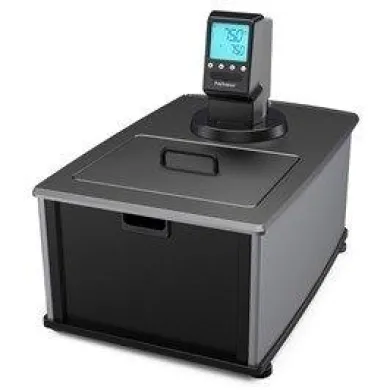


Not the exact instrument you need?
Tell our scientists what you are after. We track it down, including off-market supply.
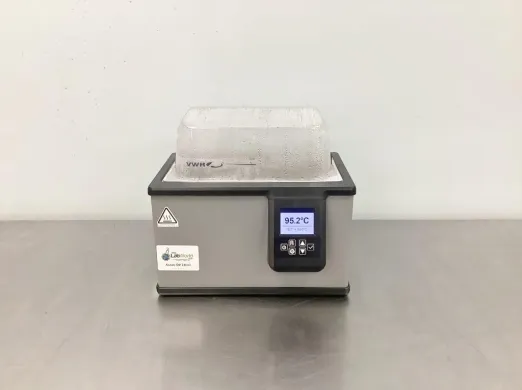
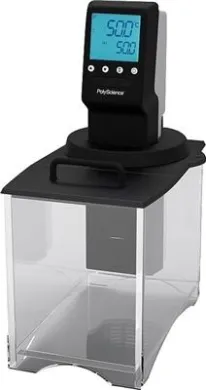
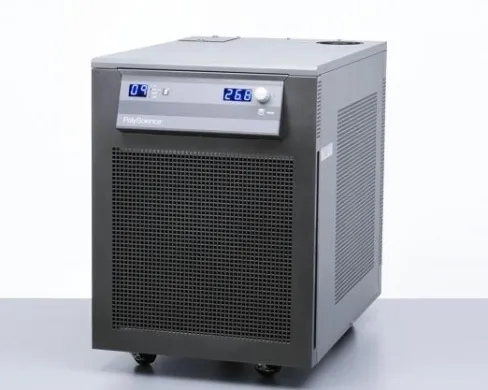
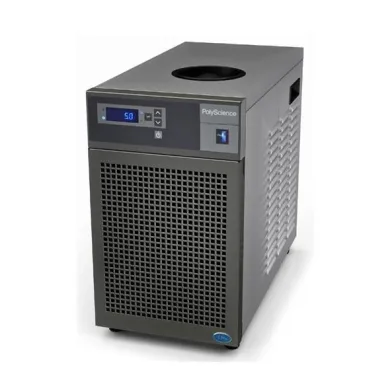
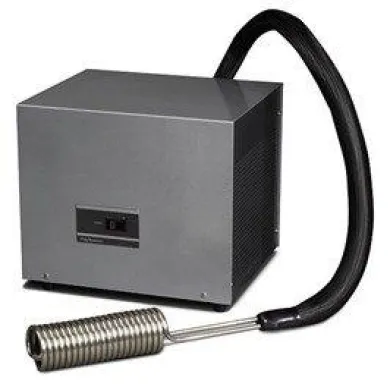
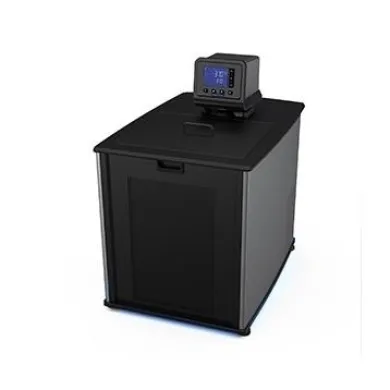
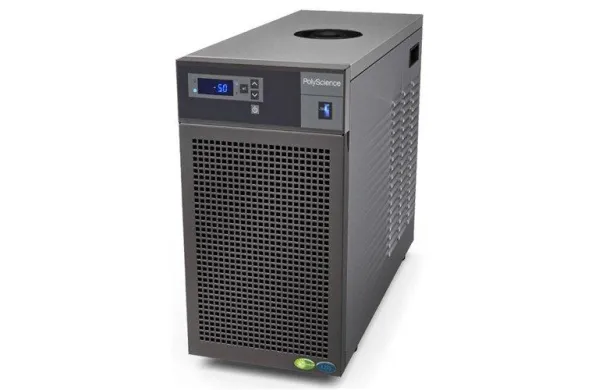
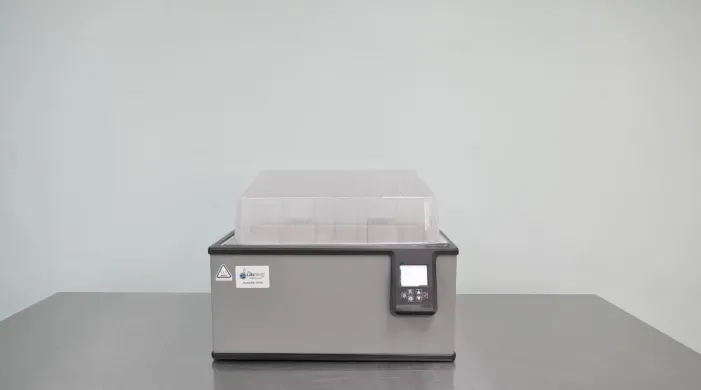
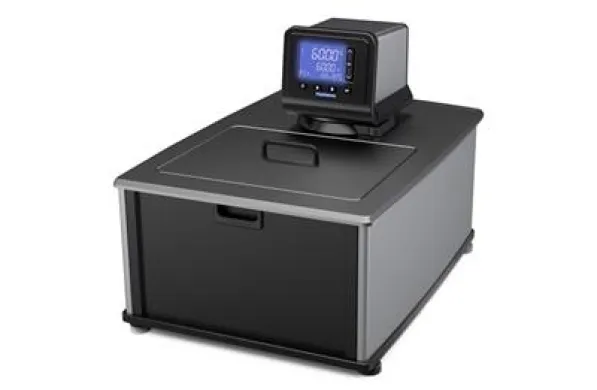
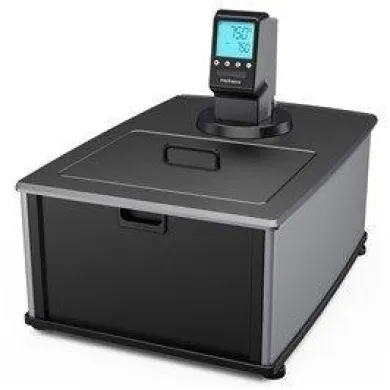
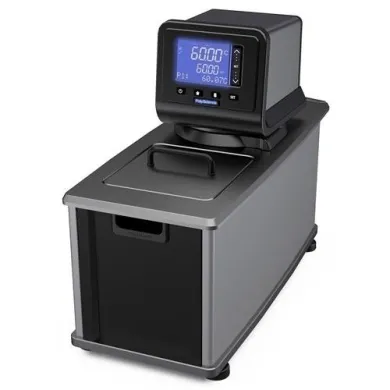
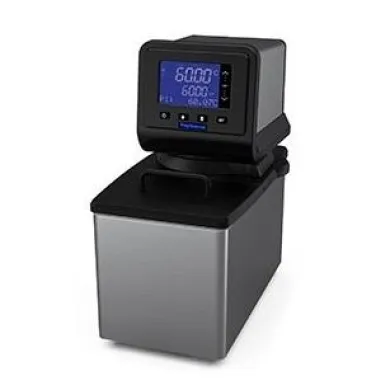
Not the exact instrument you need?
Tell our scientists what you are after. We track it down, including off-market supply.
Showing 1–40 of 130 listings
Show 40 more listingsAbout PolyScience
PolyScience is an American manufacturer of liquid temperature control equipment, founded in 1963 with roots in the laboratory field. The company is headquartered in Niles, Illinois, in the United States. It operates as a division of Preston Industries, Inc., and remains privately held. PolyScience designs and produces refrigerated circulators, heated circulators, recirculating chillers, water baths, and recirculating coolers. Its established product lines include DuraChill, PolyTemp, StableTemp, and the MX Immersion Circulator. These systems hold a fluid at a set temperature, circulate it, or remove heat from a process, which is the common thread across the whole range. On Questpair, PolyScience equipment is available from verified suppliers and distributors.
PolyScience product lines
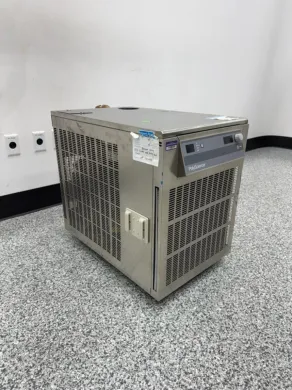
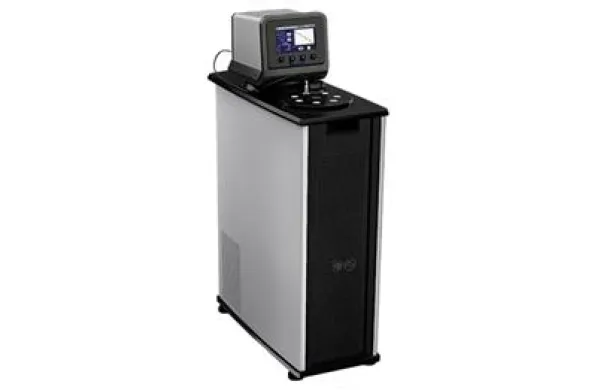
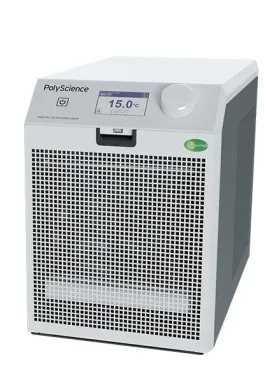
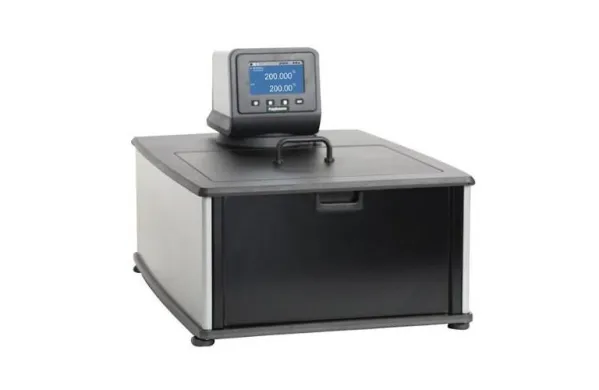
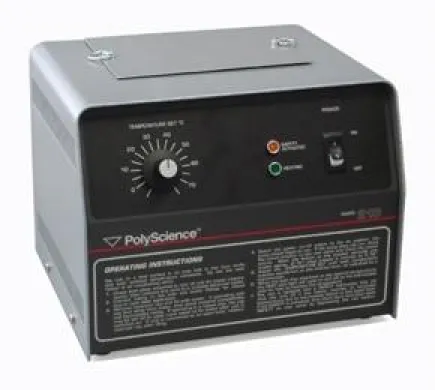
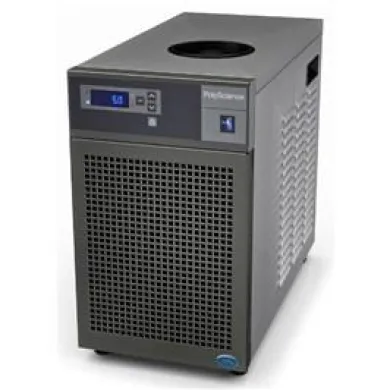
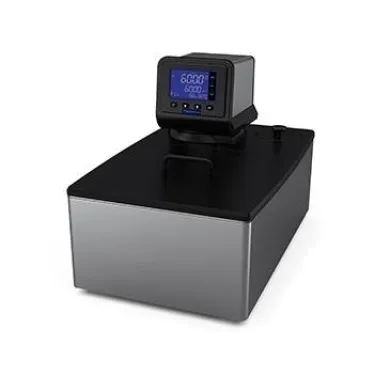
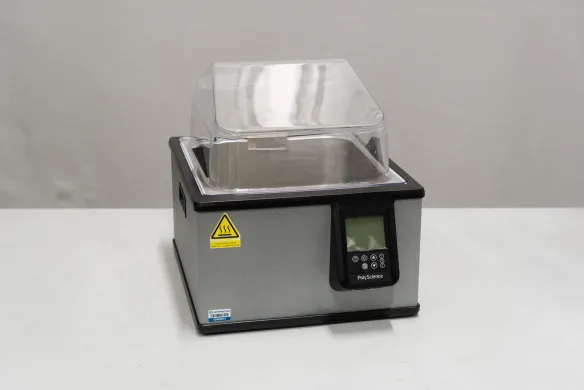
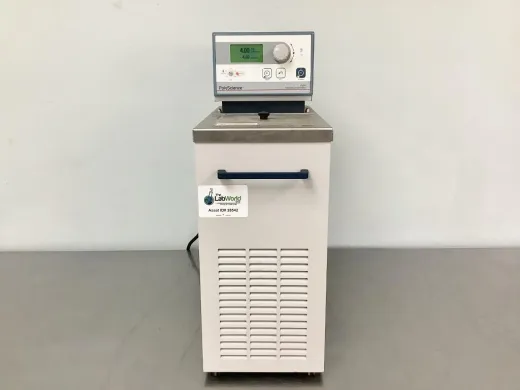
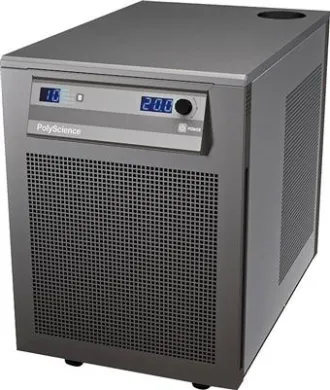
The brand's output divides along what each class of equipment does with heat. Refrigerated and heated circulators move temperature-controlled fluid through a bath or an external loop, holding a sample or an instrument at a stable point. The MX Immersion Circulator belongs to this group, dropping into an existing vessel to turn it into a controlled bath. Water baths under the StableTemp name provide a heated reservoir for incubation and warming work, while recirculating chillers such as the DuraChill line pull heat away from a reaction, a rotary evaporator, or an analytical instrument that cannot be allowed to drift upward in temperature. Recirculating coolers and the PolyTemp line round out the spread, covering the middle ground between a simple bath and a full process chiller.
Temperature control of this kind underpins a great deal of life sciences and biotechnology work, where a reaction or a sample must be held within a narrow band for the result to be valid. Circulators and chillers hold enzyme reactions, protein purification columns, and cell culture apparatus at defined temperatures, since many biological processes are sensitive to even a few degrees of drift. A recirculating chiller is also used for cooling the condensers and lasers on instruments that run in genomics and proteomics laboratories, where heat rejection keeps an analyser within specification during long acquisitions. Immersion circulators and water baths are used for sample preparation and for warming reagents ahead of assays, including the controlled incubation steps that molecular biology protocols depend on. Where a process involves bioprocessing at small scale, a recirculating cooler holds a jacketed vessel at a chosen setpoint through the length of a run. These are the laboratory jobs that connect a liquid temperature control instrument to the wider field it serves.
PolyScience equipment on Questpair
The Questpair catalogue for this brand is drawn from 8 verified suppliers and distributors across 5 countries, so a buyer searching for a specific line can compare several listings in one place. Prices run from EUR 86 to EUR 12.207. That spread reflects the difference between a small immersion heater at the low end and a high-capacity recirculating chiller at the top, with the bulk of circulators and baths falling between them. 43 percent of the listings are used, which gives room to choose a current model or a lower-priced secondhand unit within the same brand.
For anyone maintaining an older circulator or chiller, parts can be sourced via Questpair, which matters because pumps and seals are the components most likely to wear over a long service life. Where a buyer is weighing a used unit against a new one, the clearest difference is price, since used and refurbished units are listed below new; warranty is arranged in consultation for the specific listing. Manuals and documentation can be requested by contacting Questpair, where specialists respond within the hour. Reading the individual listing for condition, temperature range, and cooling capacity remains the most reliable way to match a PolyScience system to the work at hand.
Questpair review of PolyScience
Our take based on listings data and supplier feedback
PolyScience occupies a specific position in the laboratory market: liquid temperature control, from immersion circulators to recirculating chillers, rather than a broad instrument portfolio. For a buyer, that focus is the first thing worth understanding, because it shapes what shows up in the catalogue and how to read the price spread.
The range of listings is the clearest signal of what this manufacturer covers. Prices run from EUR 86 to EUR 12.207. That lower figure reflects small immersion heaters and basic bath accessories, while the upper end corresponds to recirculating chillers with meaningful cooling capacity, the kind used to hold a reaction or an instrument at temperature over long runs. Between those two poles sit the heated and refrigerated circulators that make up much of the brand's output. A buyer reading the catalogue should treat the price not as a quality marker but as a proxy for capacity and cooling type, since an immersion circulator and a process chiller do fundamentally different jobs.
The second thing to weigh is condition. 43 percent of the listings are used. That split matters more for temperature control gear than for some other categories, because a circulator's working life depends on its pump, its compressor where one is fitted, and the condition of its wetted parts. A used DuraChill or StableTemp unit can represent genuine value, particularly for a lab that needs a second bath or a backup chiller, but the condition of the specific listing is what determines whether it suits a given application. Questpair arranges warranty in consultation for the individual listing, so a buyer weighing a used unit against a new one has a route to clarify cover before committing. The price difference between new and used is the concrete distinction to work with; beyond that, each listing stands on its own description.
The third consideration is breadth of supply. The catalogue draws on 8 verified suppliers and distributors across 5 countries, which means a buyer searching for a particular line, say a PolyTemp bath or an MX Immersion Circulator, is more likely to find a match than when sourcing from a single seller. It also means comparable units can appear at different price points, so cross-checking listings within the brand is worthwhile. Parts for these systems can be sourced via Questpair, which is relevant for anyone maintaining an older unit, since pumps and seals are the components most likely to need replacement over a long service life.
Taken together, the PolyScience catalogue rewards a buyer who knows which temperature range and cooling type the work demands. The brand's long history means units from several design generations coexist in the listings, and the new-versus-used split gives room to match budget to need. The useful approach is to fix the required capacity and temperature range first, then read the individual listing for condition and specification.
**Temperature control across four decades of design**
PolyScience has built liquid temperature control equipment since 1963, so the Questpair catalogue spans circulators and chillers from several product generations in one place.
**A price range that covers bench and process scales**
Listings run from EUR 86 to EUR 12.207, which reaches from small immersion heaters up to recirculating chillers sized for process cooling.
**New and used side by side**
43 percent of the listings are used, giving buyers both current models and lower-priced secondhand units within the same brand catalogue.
Frequently asked questions
Where can I get the manual or documentation for a PolyScience circulator or chiller?
Contact Questpair to request manuals or documentation for a specific PolyScience model, and specialists respond within an hour. Having the exact model or series name to hand makes the request faster to fulfil.
How much does PolyScience temperature control equipment cost?
On Questpair, PolyScience listings range from EUR 86 to EUR 12.207, with an average around EUR 3.035. A small immersion heater sits at the low end while a high-capacity recirculating chiller sits at the top.
What is the difference between a refurbished and a used PolyScience unit?
Both are priced below new units on Questpair. The condition and any reconditioning done are described in the individual listing, so read that detail to understand what a specific used or refurbished unit covers.
Is there a warranty on PolyScience equipment bought through Questpair?
A warranty is often possible and is arranged in consultation for the specific listing. Terms are not set centrally, so they depend on the supplier and the unit in question.
Is PolyScience equipment suitable for clinical or research use?
PolyScience circulators, chillers, and water baths are used in life sciences and biotechnology work where a sample or reaction must hold within a narrow temperature band. Check the temperature range and cooling capacity in the listing against your protocol before buying.
How long does a PolyScience circulator or chiller last?
These units are built for long service lives, and pumps and seals are the components most likely to wear over time. Keeping those parts maintained is the main factor in how long a given unit stays in use.
Can I get replacement parts for an older PolyScience unit?
Parts for PolyScience equipment can be sourced via Questpair, which matters most for pumps and seals on older circulators and chillers. State the model and the component you need when you enquire.
What are the alternatives to PolyScience for temperature control equipment?
The relevant comparison depends on which class you need: a recirculating chiller, a heated or refrigerated circulator, or a water bath. The Questpair catalogue lists these types from other makers, so you can compare temperature range, cooling capacity, and condition across brands in one place.
How long does delivery take for a PolyScience unit?
Lead time depends on the individual supplier and whether the unit is in stock as new or available used. Contact Questpair with the listing you are interested in to confirm availability and timing.
What is the difference between parts and spares for these units?
The terms are used interchangeably for components like pumps and seals that replace worn originals. Whichever you call them, they can be sourced via Questpair by naming the model and the component.
Does Questpair ship PolyScience equipment internationally?
PolyScience equipment is listed by verified suppliers and distributors across 5 countries. Shipping arrangements depend on the supplier behind a given listing, so confirm the details for the unit you want.
What are PolyScience's product lines and how do they differ?
The ranges split by what each does with heat: refrigerated and heated circulators hold fluid at a setpoint, the MX Immersion Circulator drops into an existing vessel, StableTemp water baths provide a heated reservoir, DuraChill recirculating chillers remove heat from a process, and the PolyTemp line covers recirculating coolers between a simple bath and a full process chiller.
Which PolyScience equipment types are listed on Questpair and what condition are they in?
The catalogue covers types including laboratory chillers, refrigerated circulators, temperature controllers, laboratory water baths, circulating baths, and temperature control systems. Both new and used units are available, with 43 percent of listings used.
What separates the cheapest PolyScience listings from the most expensive?
Price tracks capacity and function. A small immersion heater sits near EUR 86, while a high-capacity recirculating chiller reaches EUR 12.207, with circulators and baths falling between them. Condition adds to the spread, since used and refurbished units are listed below new ones.
About Questpair
Questpair is the European marketplace for lab equipment, where AI-prepared cases and personal specialists guide every purchase. We work with 247 verified suppliers across 38 countries to find buyers the right used, refurbished or new instruments, with response within 1 hour and significant savings vs buying new.
Personal · Fast · Reliable · Affordable