
PHCbi equipment
We personally find you the right used, refurbished & new PHCbi instruments & equipment from verified suppliers
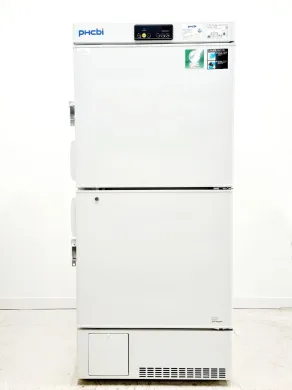
PHCbi is a Japanese biomedical and life sciences laboratory equipment manufacturer whose product lineage dates to 1966, when Sanyo Electric launched its first pharmaceutical-grade refrigerator in Japan. The brand belongs to PHC Holdings Corporation, headquartered in Tokyo and listed on the Tokyo Stock Exchange under 6523, and operates in North America through PHC Corporation of North America in Wood Dale, Illinois. Its catalogue covers ultra-low temperature freezers, biomedical and pharmaceutical refrigerators, CO2 and multigas incubators, microbiological incubators, plant growth chambers and sterilization equipment. On Questpair, PHCbi equipment is listed by 16 verified suppliers and distributors across 9 countries.
Updated:
PHCbi product list


Not the exact instrument you need?
Tell our scientists what you are after. We track it down, including off-market supply.
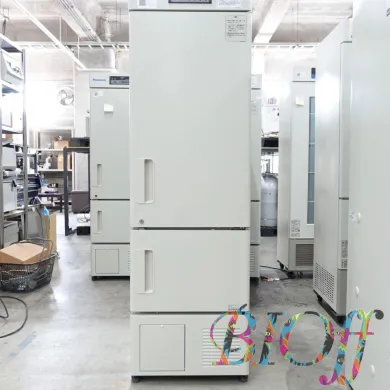
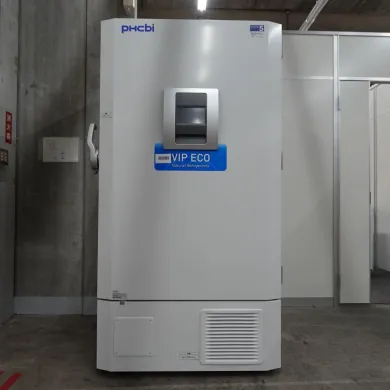
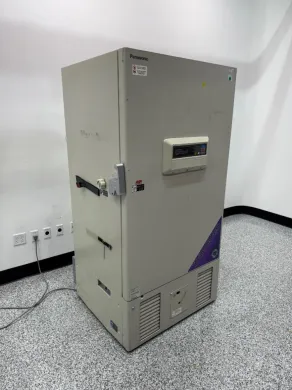
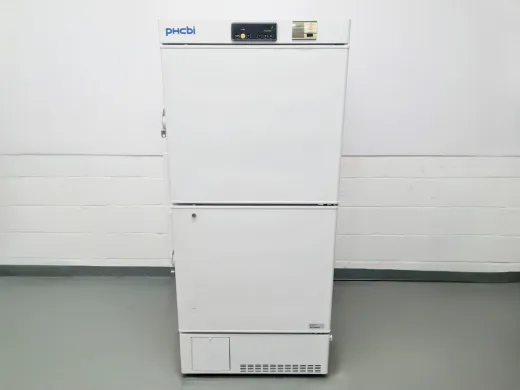
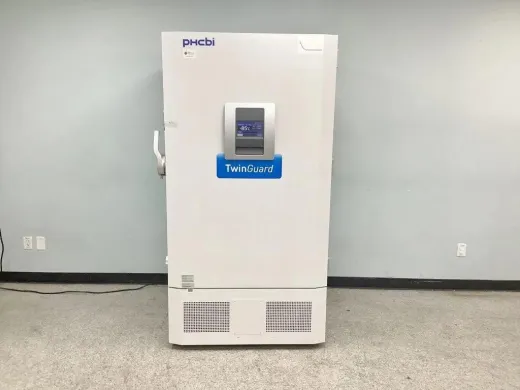
Not the exact instrument you need?
Tell our scientists what you are after. We track it down, including off-market supply.
Showing 1–40 of 297 listings
Show 40 more listingsAbout PHCbi
PHCbi is a Japanese biomedical and life sciences laboratory equipment manufacturer. Its product lineage traces to 1966, when Sanyo Electric launched its first pharmaceutical-grade refrigerator in Japan, establishing the biomedical equipment line that later became PHCbi. The brand is owned by PHC Holdings Corporation, which is headquartered in Tokyo and listed on the Tokyo Stock Exchange under code 6523; the holding company was renamed from Panasonic Healthcare Holdings Co., Ltd. in April 2018. North American operations run through PHC Corporation of North America in Wood Dale, Illinois. The catalogue centres on cold storage and controlled-environment equipment: ultra-low temperature freezers, cryogenic and biomedical freezers, pharmaceutical and laboratory refrigerators, CO2 and multigas incubators, microbiological incubators, plant growth chambers and sterilization equipment. These are the classes a life sciences lab relies on to preserve and grow biological material.
PHCbi product lines and what they do
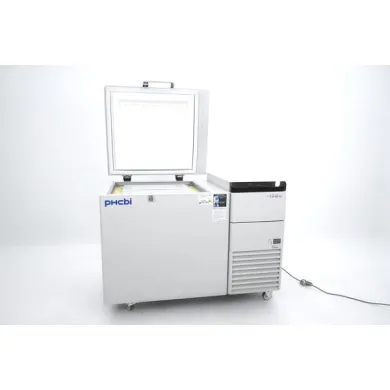
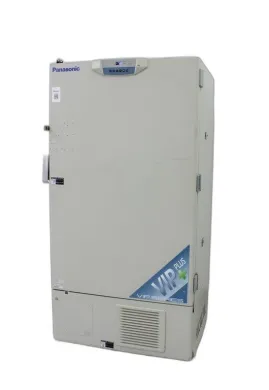
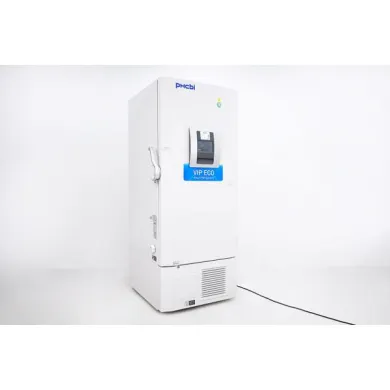
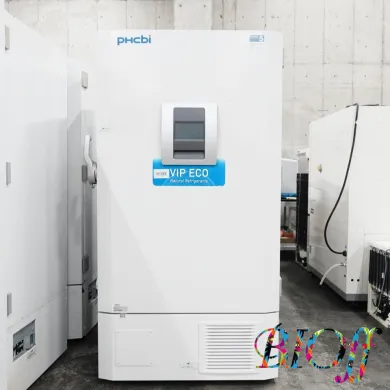
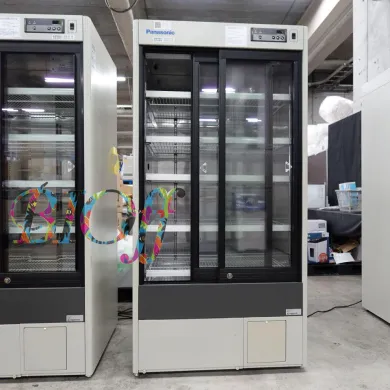
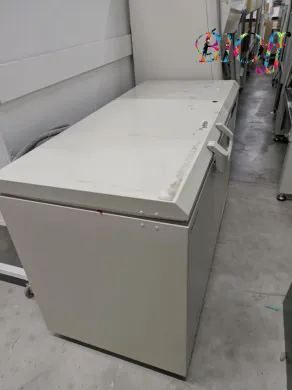
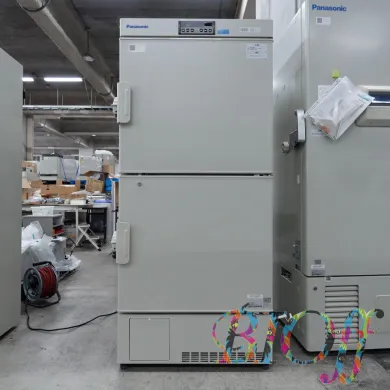
The ultra-low temperature freezers are the core of the range. VIP ECO and VIP ECO SMART reach minus 86 degrees Celsius, the temperature used for long-term biobanking of serum, DNA and RNA, and cell lines. The TwinGuard line carries two independent refrigeration circuits so that a single compressor failure does not compromise stored samples, which matters for irreplaceable material in genomics and proteomics archives. The VIP Series covers the broader freezer family. Pharmaceutical and laboratory refrigerators sit at the warmer end, holding vaccines, reagents and clinical samples at controlled temperatures for molecular diagnostics and clinical workflows.
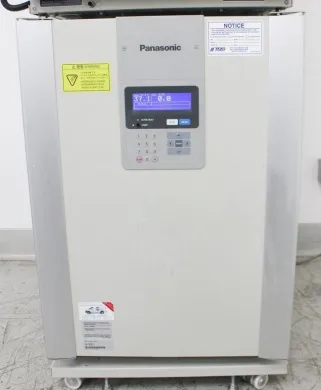
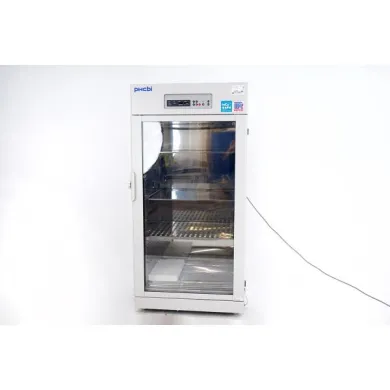
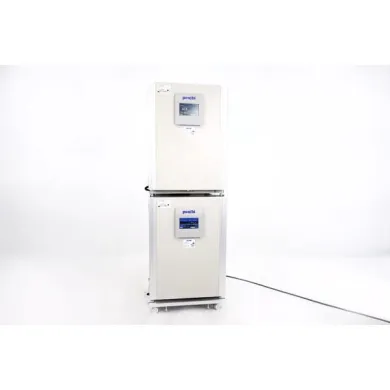
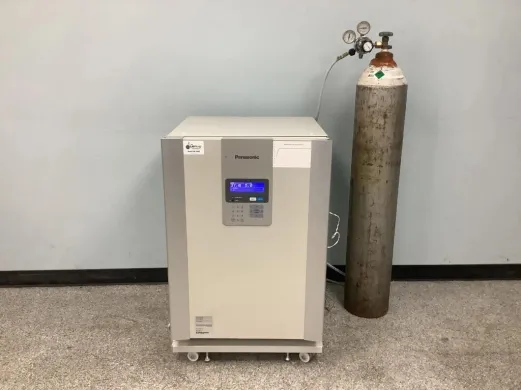
Incubation is the second pillar. CO2 incubators support cell culture by holding temperature, humidity and carbon dioxide at the levels mammalian cells need, work central to cell imaging, protein purification and much of molecular biology. The multigas incubators add oxygen regulation, which enables hypoxia studies and the low-oxygen conditions used in stem cell and synthetic biology research. Microbiological incubators handle bacterial and fungal growth for microbiology. Plant growth chambers apply the same environmental engineering to plant science and controlled environment agriculture, regulating light, temperature and humidity for crop and genetics research. The LiCellMo and LiCellGrow lines extend toward live cell culture monitoring and analysis, and LabSVIFT and LabAlert address laboratory sterilization and monitoring respectively.
Taken together, these product lines let one maker cover a biotechnology lab's physical infrastructure, from the freezer that preserves a sample through the incubator that cultures it. A gene editing or biomanufacturing programme can run its cold chain, its cell culture and its environmental monitoring on equipment from a single engineering lineage, which simplifies maintenance and parts.
PHCbi equipment on Questpair
The Questpair catalogue lists PHCbi equipment from 16 verified suppliers and distributors across 9 countries. 100 percent of the listings are used. Because used units carry lower prices than new equipment, the saving is most visible on the ultra-low freezers, where new purchase cost is highest. Prices run from EUR 17 to EUR 12.949. That range spans the whole catalogue, from low-cost accessories and small parts at one end to complete freezer and incubator units at the other, so the figure to weigh is always the specific listing rather than the range as a whole.
Condition and specification differ between individual units, which is the reason to read each listing closely rather than assume a model number tells the full story. Where a warranty applies, it is arranged in consultation for the specific listing. Parts and manuals can be sourced via Questpair, and specialists respond to documentation requests within one hour. For a lab choosing between a used PHCbi freezer or incubator and a new one, the price difference is the concrete advantage, and the rest of the decision rests on matching a listed unit to the storage or culture work it has to do.
Questpair review of PHCbi
Our take based on listings data and supplier feedback
PHCbi occupies a specific position in the laboratory supply market: it is a cold storage and controlled environment specialist rather than a broad instrument house. The three strengths worth examining are the depth of its refrigeration range, the breadth across incubation and growth work, and what the used market looks like for a buyer on Questpair.
The refrigeration range is where the brand's history shows. The lineage runs back to a 1966 pharmaceutical-grade refrigerator, and the current catalogue reflects decades of iteration on temperature control. Ultra-low temperature freezers in the VIP ECO and VIP ECO SMART families hold samples at minus 86 degrees Celsius, the standard for long-term storage of serum, nucleic acids and cell lines. The TwinGuard line adds a second independent cooling circuit, so a compressor fault does not expose stored material to a thaw. Below that extreme sit the pharmaceutical and laboratory refrigerators used for reagent and vaccine storage, and above it the cryogenic and biomedical freezers. For a lab that needs its cold chain from one maker, the span from refrigerator to minus 86 freezer is the practical argument.
The second strength is that the brand does not stop at cold. Its CO2 and multigas incubators serve cell culture, maintaining the temperature, humidity and gas mix that mammalian cell lines require, and the multigas variants add oxygen control for hypoxia and stem cell work. The microbiological incubators handle bacterial and fungal culture at lower cost and complexity. Plant growth chambers extend the same environmental-control engineering to controlled environment agriculture and plant science. Newer lines such as LiCellMo and LiCellGrow point toward live cell monitoring and culture analysis, broadening the brand from passive storage into active culture work. A buyer evaluating PHCbi for a cell biology or molecular biology lab is therefore looking at both the freezer that stores the sample and the incubator that grows it.
The third point concerns the Questpair market specifically. 100 percent of the listings are used. That shapes the decision in two ways. First, used and refurbished units are listed below new-equipment prices, which matters most on the ultra-low freezers, where new capital cost is high. Second, condition and specification vary by individual listing, so the sensible path is to read the specific unit's details rather than assume a model is uniform across sellers. Prices run from EUR 17 to EUR 12.949. That wide span reflects the catalogue itself, which reaches from small accessories at the low end to complete freezers at the top.
Where a unit's warranty or documentation matters, both are handled per listing: a warranty is arranged in consultation for the specific unit, and parts and manuals can be sourced via Questpair. For a buyer weighing a used PHCbi freezer or incubator against new, the price difference is the clear advantage, and the rest comes down to matching a specific listing to the run it has to support.
**Cold chain depth**
PHCbi's ultra-low temperature freezers reach minus 86 degrees Celsius for biological sample storage, and the VIP ECO and TwinGuard lines cover the full range from pharmaceutical refrigeration through cryogenic preservation.
**Incubation and growth across disciplines**
Beyond cold storage, the brand builds CO2 and multigas incubators for cell culture and plant growth chambers for controlled environment research, so one maker spans sample preservation and live culture work.
**Used stock priced below new**
Every PHCbi listing on Questpair is used, so prices sit below new-equipment levels, with 16 verified suppliers and distributors holding stock across 9 countries.
Frequently asked questions
Where can I find manuals and documentation for PHCbi equipment?
Documentation requests go through Questpair, where specialists respond within one hour. Give the model number or series name so the right manual can be matched to your unit.
How much does PHCbi equipment cost?
Listings on Questpair range from EUR 17 to EUR 12.949, with an average of EUR 3.350. That spread covers everything from small parts to complete ultra-low temperature freezers and incubators, so the specific listing matters more than the range.
What is the difference between refurbished and used PHCbi units?
Both are priced below new equipment on Questpair. Condition and specification vary from one listing to the next, so read the individual listing to see what work the unit has had and what it includes.
Does PHCbi equipment come with a warranty?
A warranty is often possible and is arranged in consultation for the specific listing. Terms depend on the unit and the supplier rather than a fixed brand policy.
Is PHCbi equipment suitable for clinical and research use?
The catalogue is built around cold storage and controlled-environment work: ultra-low freezers for biobanking serum, DNA and cell lines, pharmaceutical refrigerators for vaccines and clinical samples, and CO2 and multigas incubators for cell culture. Match the specific unit's temperature range and specification to the clinical or research task it has to do.
How long does a PHCbi freezer or incubator last?
Lifespan depends on duty cycle, maintenance and the environment it runs in rather than a fixed figure. Ultra-low freezers running continuously and incubators with constant humidity and gas control wear differently, so condition detail in each listing is the better guide.
Can I get spare parts for PHCbi equipment?
Parts can be sourced via Questpair. Provide the model number so the correct component for your freezer, incubator or refrigerator can be identified.
What are good alternatives to PHCbi?
The right alternative depends on the instrument class you need. For ultra-low temperature freezers and CO2 incubators there are other manufacturers listed on Questpair; compare the specific temperature range, gas control and chamber size against what the PHCbi unit offers rather than the brand name alone.
What is the lead time for PHCbi equipment?
Lead time depends on the individual listing and the supplier holding the unit. Contact Questpair with the model you are after and specialists can confirm availability.
What is the difference between parts and spares for PHCbi units?
In practice the terms describe the same thing: individual components such as shelves, seals, filters or control boards sourced separately from a complete unit. All of these can be requested through Questpair.
Can PHCbi equipment be shipped internationally?
PHCbi equipment on Questpair is listed by 16 verified suppliers and distributors across 9 countries. Shipping arrangements are set per listing, so confirm the destination with the supplier before ordering.
Which PHCbi product lines are there and how do they differ?
The ultra-low freezers include VIP ECO and VIP ECO SMART, which reach minus 86 degrees Celsius, the TwinGuard line with two independent refrigeration circuits for redundancy, and the broader VIP Series. LiCellMo and LiCellGrow cover live cell culture monitoring and analysis, while LabSVIFT and LabAlert handle laboratory sterilisation and monitoring.
Which PHCbi instrument types are listed on Questpair and in what condition?
The listed types include CO2 incubators, laboratory freezers, laboratory incubators, ultra-low temperature freezers, cell culture incubators and biomedical freezers. 100 percent of listings are used, and condition is stated per listing rather than being uniform across the catalogue.
What separates the cheapest PHCbi listings from the most expensive?
At the low end are accessories and small parts; at the high end are complete ultra-low temperature freezers and incubators, where new purchase cost is highest and used units show the largest saving. Within the same type, condition, specification and whether a unit is new or used drive the rest of the gap between EUR 17 and EUR 12.949.
About Questpair
Questpair is the European marketplace for lab equipment, where AI-prepared cases and personal specialists guide every purchase. We work with 247 verified suppliers across 38 countries to find buyers the right used, refurbished or new instruments, with response within 1 hour and significant savings vs buying new.
Personal · Fast · Reliable · Affordable