
NanoEnTek equipment
We personally find you the right new, used & refurbished NanoEnTek instruments & equipment from verified suppliers
NanoEnTek is a South Korean life science laboratory equipment and in vitro diagnostic medical device manufacturer based in Seoul, South Korea. The company was brought under Apluslife Co. Ltd., which acquired a 39.64 percent controlling stake in September 2023, while NanoEnTek remains publicly listed on KOSDAQ. Its instruments cover automated cell counters, fluorescence immunoassay analysers, live-cell imaging systems and point-of-care diagnostic devices, alongside disposable hemocytometers and lab-on-a-chip consumables. On Questpair, NanoEnTek equipment is offered by verified suppliers and distributors across 5 countries.
Updated:
NanoEnTek product list
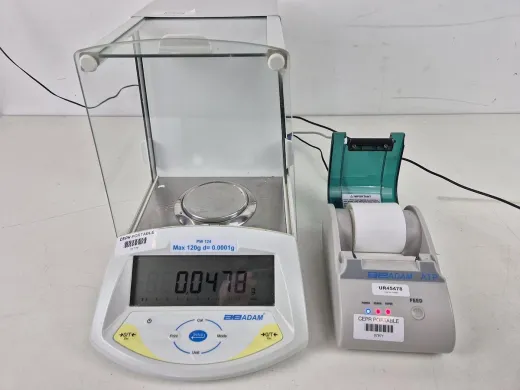
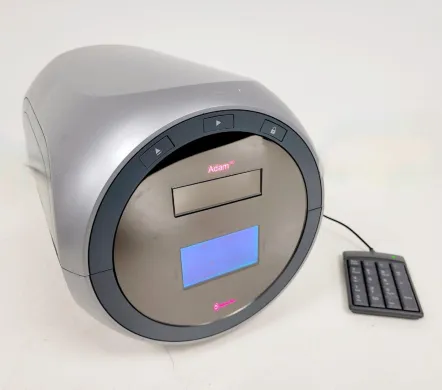
ADAM-MC Automatic Cell Counter with Keypad
- Category
- Cell counters
- Brand
- NanoEnTek
- Suppliers
- 1 verified


Not the exact instrument you need?
Tell our scientists what you are after. We track it down, including off-market supply.

Not the exact instrument you need?
Tell our scientists what you are after. We track it down, including off-market supply.
Showing 1–40 of 95 listings
Show 40 more listingsAbout NanoEnTek
NanoEnTek is a South Korean manufacturer of life science laboratory equipment and in vitro diagnostic medical devices, headquartered in Seoul. The company builds instruments for cell analysis, imaging and point-of-care diagnostics, with a product base rooted in miniaturised fluidics and lab-on-a-chip design. In September 2023 Apluslife Co. Ltd. acquired a 39.64 percent controlling stake, and the firm remains publicly listed on KOSDAQ. Its catalogue runs across automated cell counters, fluorescence immunoassay analysers, live-cell imaging systems, point-of-care diagnostic devices, disposable hemocytometers and lab-on-a-chip consumables. The best-known lines are the ADAM and EVE automated cell counters, the FREND fluorescence immunoassay analyser, the JuLI live-cell imaging series and the NEON gene delivery system. Several of these instruments do cell counting and cell culture work directly, which is where the brand is most widely used. The sections below set out the main lines and what is currently listed on Questpair.
ADAM, EVE and the automated cell counter lines
The ADAM and EVE series are automated cell counters, and they do the routine cell counting that opens most cell culture protocols: measuring concentration and viability in a suspension before seeding or passaging. An automated counter removes the manual hemocytometer step, which is slower and more variable between operators. These instruments are small enough to sit beside a biosafety cabinet, and their disposable counting chips keep cross-contamination out of shared equipment. In practice they serve molecular biology and cell biology groups preparing samples for transfection, assay setup or downstream genomics, where a consistent starting cell number affects every later result. The counting function also feeds into bioprocessing and cell culture scale-up work, where viable cell density is tracked across a growth run. Within this class the units differ mainly in whether they count fluorescently stained or brightfield images, and in the chip format they accept, so the listing specification is the thing to read rather than the series name alone.
JuLI live-cell imaging and the NEON gene delivery system
The JuLI series provides live-cell imaging from inside an incubator, recording confluence, migration and morphology over hours or days without removing the plate. This suits proliferation assays, wound-healing and scratch studies, and time-lapse work in cell imaging where manual observation would disturb the culture. The NEON system is a gene delivery platform, electroporating cells to introduce nucleic acids, which places it in transfection and gene editing workflows across molecular biology and synthetic biology labs. The two instruments address different stages: one watches cells grow and respond, the other introduces material into them. Both are used in cell culture environments and both depend on consumables matched to the instrument, so compatibility with available chips, tips or cuvettes is worth confirming against the individual listing.
FREND and point-of-care diagnostics
The FREND analyser is a fluorescence immunoassay reader built for point-of-care testing. It reads a disposable cartridge and returns a quantitative immunoassay result, which places it in molecular diagnostics and clinical chemistry rather than open research. The instrument is compact and cartridge-driven, so the operator loads a prepared sample and reads a result without separate assay steps. This class of device is also used for protein and biomarker measurement where a central laboratory analyser would be too large or too slow for the setting. Because the readout depends on the matched cartridge, the consumable supply is part of what a buyer is committing to.
On Questpair
Questpair lists 113 NanoEnTek items from 9 verified suppliers and distributors across 5 countries. Prices run from EUR 215 to EUR 4.819. Of these listings, 29 percent are used. Parts can be sourced via Questpair, and documentation requests reach specialists who respond within one hour. Warranty is often possible and is arranged in consultation for the specific listing. Read each listing on its own specification, since condition, included consumables and configuration vary across the catalogue.
Questpair review of NanoEnTek
Our take based on listings data and supplier feedback
NanoEnTek occupies a specific corner of the life sciences instrument market: cell analysis and point-of-care diagnostics, built around miniaturised fluidics rather than large bench systems. For a buyer weighing the brand on Questpair, three patterns in the catalogue are worth reading closely.
The first is the weight of automated cell counters in the available stock. The ADAM and EVE lines count and assess viability of cells in suspension, a routine step that precedes seeding, passaging and most downstream assays in cell culture work. These are compact instruments, which is part of why so many of them circulate second-hand: a lab upgrading or closing a project releases a working counter that another lab can absorb without retraining staff. Across the 113 NanoEnTek items listed, this class is well represented, and the used examples sit at the lower end of the price band. That matters for a group standardising on a single counting method across several benches, where buying three used units costs less than one new multi-channel system from a larger maker.
The second pattern is the breadth of instrument classes under one name. A lab sourcing from NanoEnTek can find a cell counter, a live-cell imaging system from the JuLI series and a fluorescence immunoassay analyser without moving to a different manufacturer. The JuLI instruments sit inside an incubator and record growth, migration and confluence over time, which suits proliferation and wound-healing studies where manual imaging would interrupt the run. The FREND analyser works on a different principle, reading fluorescence from a disposable cartridge for quantitative immunoassay at the point of care. The three do not compete with each other, so a single supplier relationship can cover counting, imaging and assay readout. On the marketplace, 9 verified suppliers and distributors carry this range, which gives a buyer more than one source to compare on condition and delivery.
The third pattern is condition mix, and it is where the catalogue is most useful for budgeting. 29 percent of the listings are used. The remainder are new, so a buyer is not forced into one condition or the other and can decide per instrument. A core counter that runs daily might be worth buying new for the longer service life, while a second unit for an occasional protocol is a clear case for used stock. Prices run from EUR 215 to EUR 4.819. The spread reflects the difference between a consumable-heavy counter and a complete imaging system, so the average of EUR 1.617 says little about any single listing; read each one on its own specification.
Where NanoEnTek is harder to assess is long-term parts and consumable supply, since several of these instruments depend on disposable chips and cartridges. On Questpair those parts can be sourced through the marketplace, and warranty on a used unit is arranged in consultation for the specific listing rather than set across the board. A buyer should treat each listing as its own transaction and confirm what is included before committing.
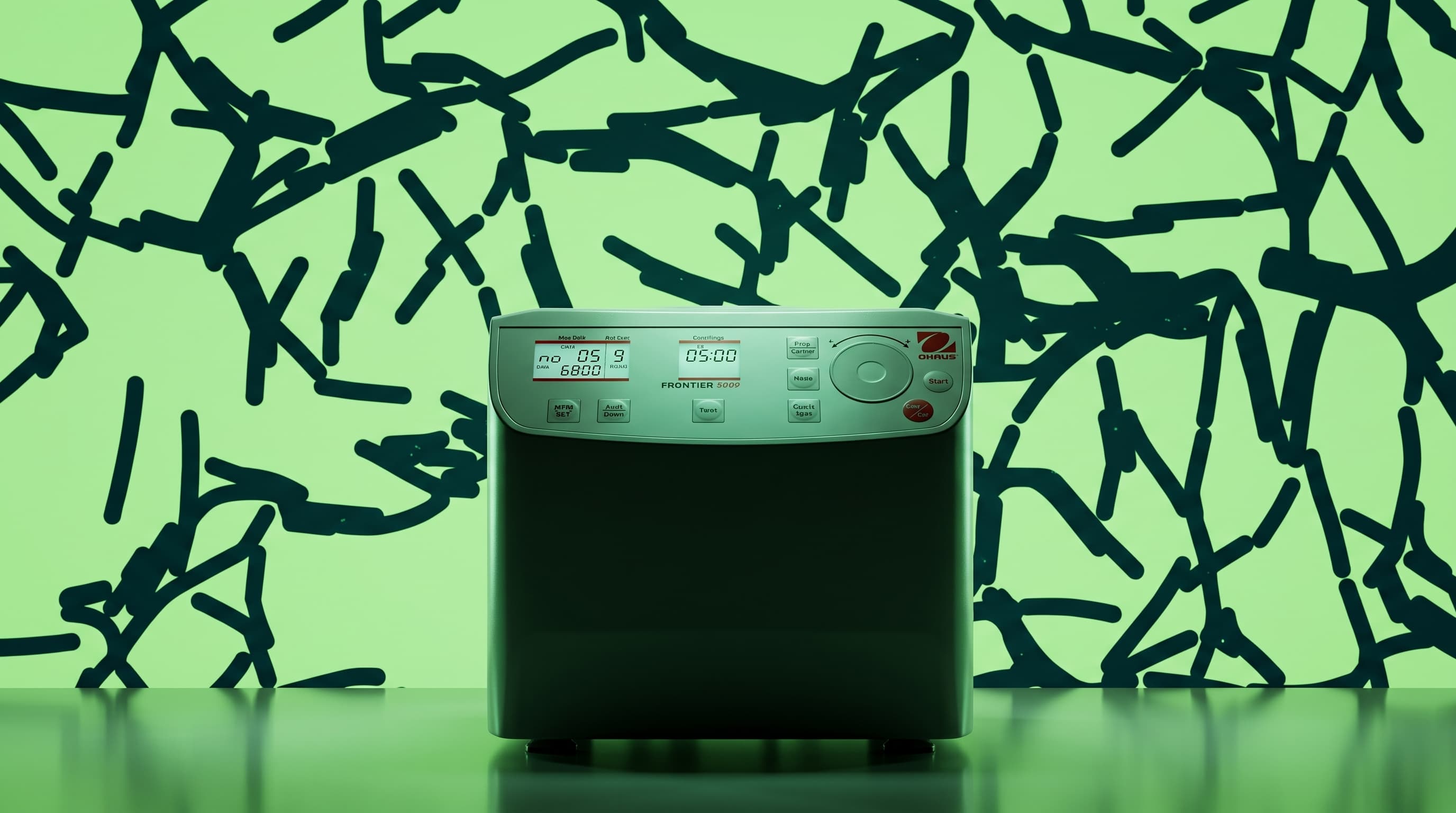
**Cell counting instruments at a fraction of new pricing**
Automated cell counters from the ADAM and EVE lines make up a large part of the 113 NanoEnTek items on Questpair, with used units listed below their new equivalents.
**One manufacturer across counting, imaging and diagnostics**
NanoEnTek equipment on the marketplace spans automated cell counters, live-cell imaging systems and fluorescence immunoassay analysers, so a lab can source several instrument classes from a single maker through 9 verified suppliers and distributors.
**Both new and used stock available side by side**
Of the listed NanoEnTek instruments, 29 percent of the listings are used, giving buyers a choice between new units and lower-priced second-hand stock within the same catalogue.
Frequently asked questions
Where can I find manuals and documentation for NanoEnTek instruments?
Documentation for a specific NanoEnTek unit can be requested through Questpair, where specialists respond within one hour. This matters most for the FREND analyser, where calibration and cartridge handling details affect results.
How much does a NanoEnTek instrument cost?
Across the Questpair listings, prices run from EUR 215 to EUR 4.819, with the average at EUR 1.617. A disposable-slide cell counter sits at the lower end, while a configured live-cell imaging system or a diagnostic analyser sits higher.
What is the difference between a refurbished and a used NanoEnTek unit?
Both are listed below the price of a new unit, and the specific condition is stated on each individual listing. For a FREND diagnostic analyser, confirm calibration status on the listing, since measurement accuracy depends on it.
Is there a warranty on NanoEnTek equipment bought here?
A warranty is often possible and is arranged in consultation for the individual listing. Terms are not set centrally, so check the specific unit you are considering.
Are NanoEnTek instruments suitable for clinical or research use?
The range splits between the two: the ADAM, EVE, JuLI and NEON lines are research-grade tools for cell biology and molecular biology, while the FREND system is an in vitro diagnostic device built for point-of-care testing. Match the line to whether you need research cell counting and imaging or clinical immunoassay results.
How long does a NanoEnTek cell counter or analyzer last?
Lifespan depends on use and maintenance rather than a fixed figure, and consumable-dependent instruments like the ADAM and EVE counters rely on continued availability of their disposable slides. For the FREND analyser, ongoing calibration governs usable life more than hardware age.
Can I get parts for a NanoEnTek instrument?
Parts can be sourced through Questpair. The consumable slides and hemocytometers that pair with the ADAM and EVE counters also appear in the catalogue, which keeps running cost visible.
What are the alternatives to NanoEnTek equipment?
Alternatives depend on the function you need. For automated cell counting, both fluorescence and brightfield counters from other makers compete with the ADAM and EVE lines; for live-cell imaging, incubator-based imaging systems compare with the JuLI line; and for point-of-care immunoassay, other fluorescence immunoassay analysers compare with FREND.
What is the lead time for a NanoEnTek instrument?
Lead time depends on the individual listing and the supplier holding the unit. Listed stock ships faster than a configuration that has to be sourced, so check the specific listing.
What is the difference between parts and spares for these instruments?
In practice the terms overlap: both refer to components for maintaining or repairing an instrument, whether the replaceable consumable slides for the counters or internal components for the imagers and analysers. All of these can be sourced through Questpair.
Do suppliers ship NanoEnTek equipment internationally?
Verified suppliers and distributors list NanoEnTek instruments across 5 countries, so cross-border shipping is available depending on the listing. Confirm shipping scope with the supplier on the specific unit.
Which product lines does NanoEnTek make and how do they differ?
The ADAM and EVE series are automated cell counters, with ADAM using a fluorescence method on stained nuclei and EVE using brightfield. The JuLI line is incubator-based live-cell imaging, the NEON system is an electroporation platform for gene delivery, and the FREND system is a fluorescence immunoassay analyser for diagnostics.
Which NanoEnTek instrument types are listed here and in what condition?
Among the listings that specify a type, both fluorescence and brightfield cell counters are represented, so you can match a counter to an existing staining protocol. Of all NanoEnTek listings, 29 percent are used, with those units priced below new ones, and the condition of each is stated on its listing.
What separates the cheapest NanoEnTek listings from the most expensive?
The lower end is set by simpler automated cell counters and their disposable consumables, while the upper end reflects configured live-cell imaging systems, the NEON gene delivery platform, and the FREND diagnostic analyser. Optical configuration on the imagers and calibration state on the diagnostic unit drive much of the spread, which is why prices range from EUR 215 to EUR 4.819.
About Questpair
Questpair is the European marketplace for lab equipment, where AI-prepared cases and personal specialists guide every purchase. We work with 247 verified suppliers across 38 countries to find buyers the right new, used or refurbished instruments, with response within 1 hour and significant savings vs buying new.
Personal · Fast · Reliable · Affordable