
Miele equipment
We personally find you the right new, used & refurbished Miele instruments & equipment from verified suppliers
Miele is a German manufacturer of laboratory glassware washers and washer-disinfectors for professional and scientific use, operating these product lines under its Miele Professional division. The company was founded on July 1, 1899 in Herzebrock, Germany by Carl Miele and Reinhard Zinkann as a factory for cream separators, and remains privately held and family owned from its headquarters in Gutersloh. Its laboratory range covers undercounter washers, large chamber washers, and parts washers across the PLW and PG series. On Questpair, 121 Miele listings are available from 9 verified suppliers and distributors across 6 countries.
Updated:
Miele product list


Not the exact instrument you need?
Tell our scientists what you are after. We track it down, including off-market supply.
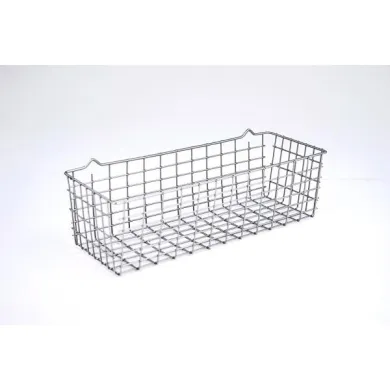
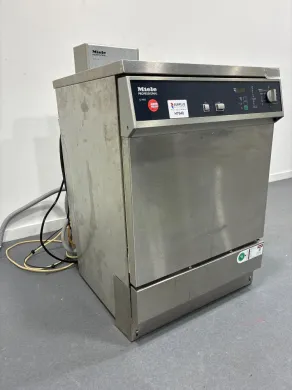
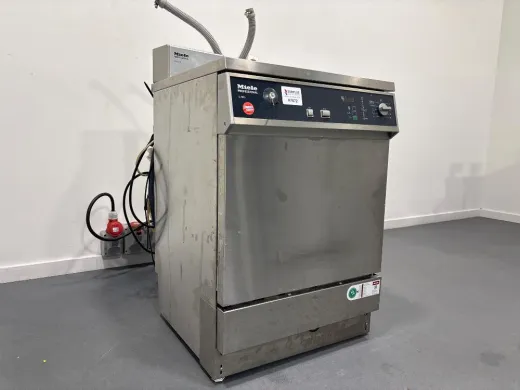
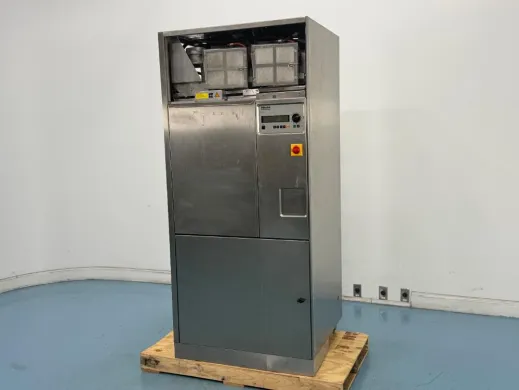
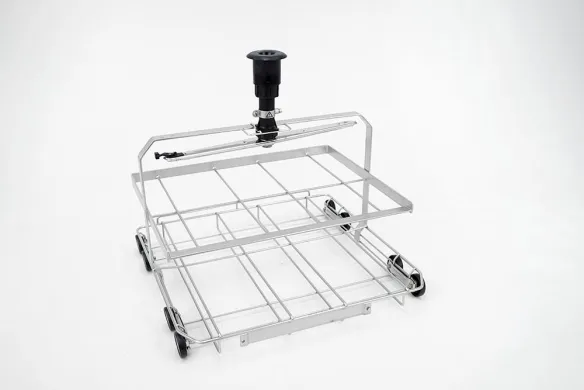
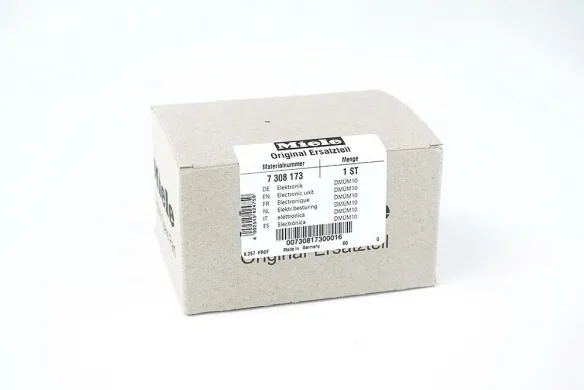
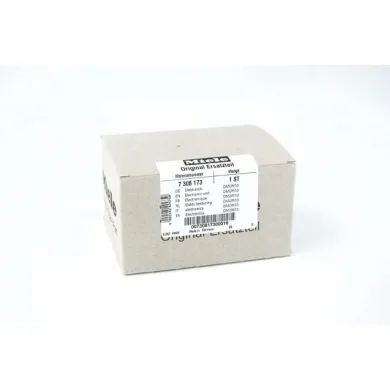
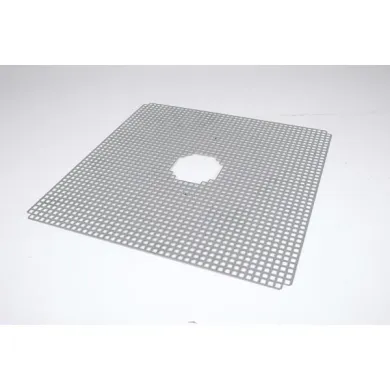
Electronic Unit DMÜM10 7308173
- Category
- Electronic components
- Brand
- Miele
- Suppliers
- 1 verified
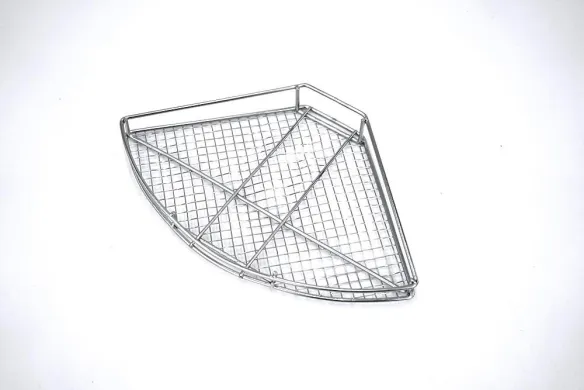
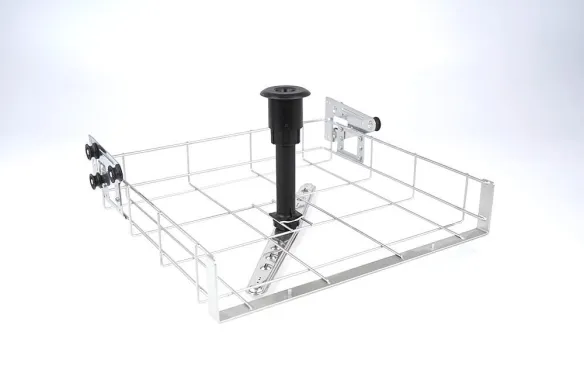
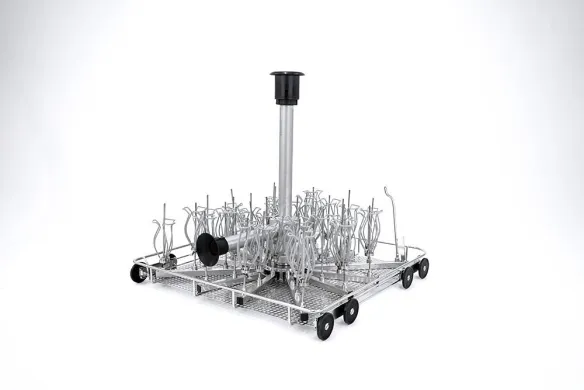
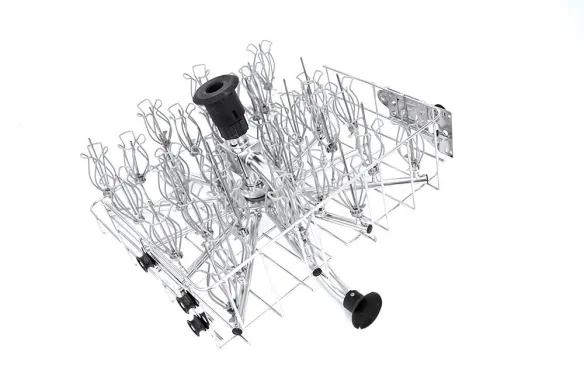
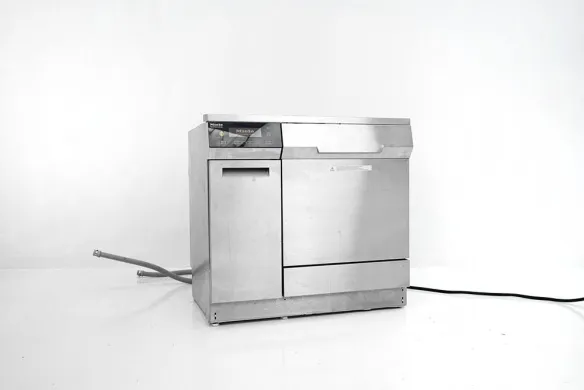
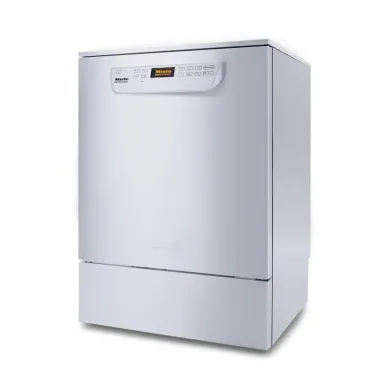
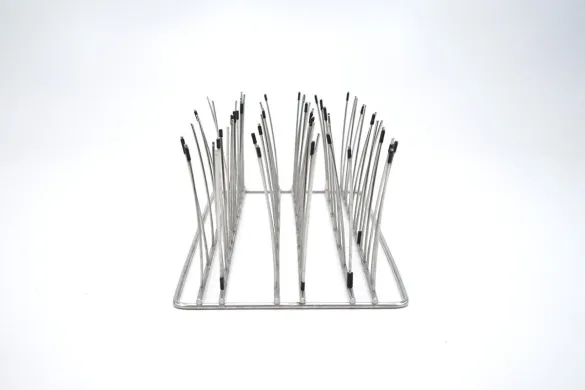
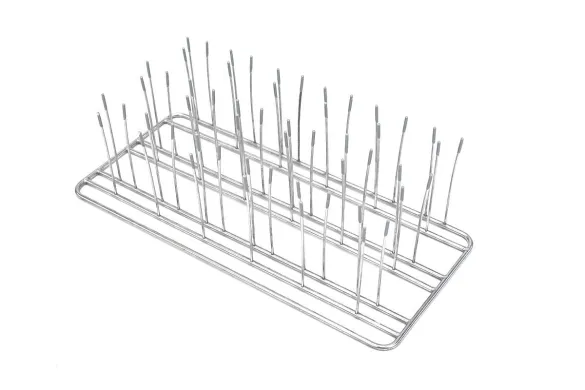
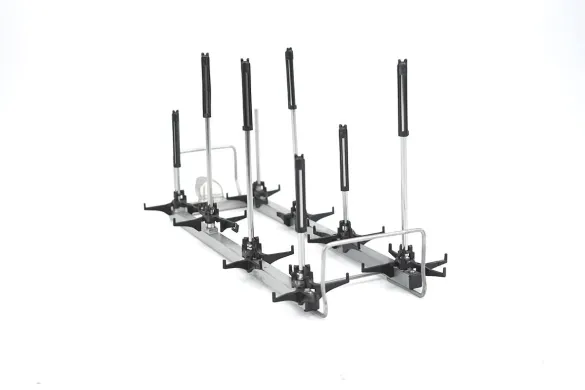
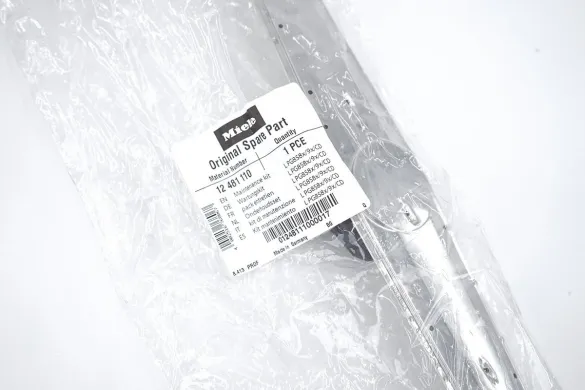
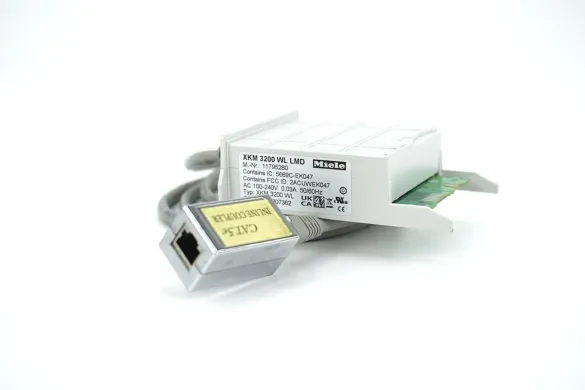
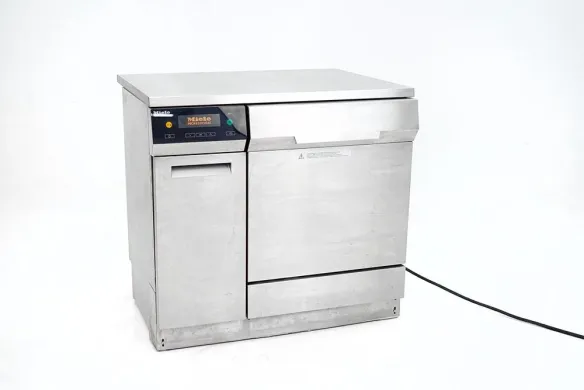
Electronic Unit DMÜM10 7308173
- Category
- Electronic components
- Brand
- Miele
- Suppliers
- 1 verified
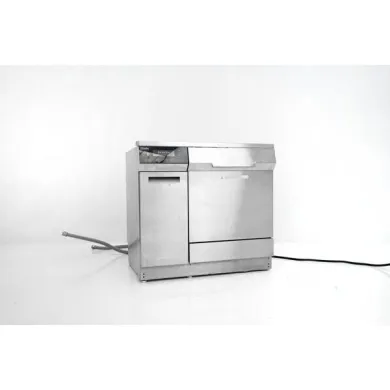
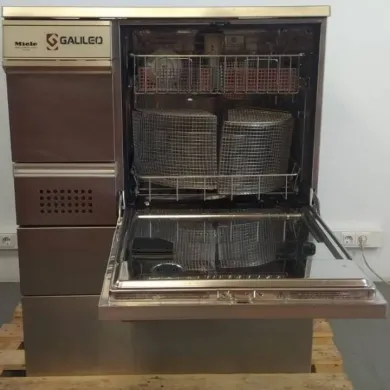
Not the exact instrument you need?
Tell our scientists what you are after. We track it down, including off-market supply.
Showing 1–40 of 72 listings
Show 32 more listingsAbout Miele
Miele is a German manufacturer of laboratory glassware washers and washer-disinfectors for professional and scientific use. The company was founded on July 1, 1899 in Herzebrock, Germany by Carl Miele and Reinhard Zinkann, originally as a factory for cream separators. It is headquartered in Gutersloh, Germany, and remains privately held and family owned, with the Miele family holding 51.1 percent and the Zinkann family holding 48.9 percent. Its laboratory washing equipment is made under the Miele Professional division, separate from the consumer appliances the name is widely known for. The range spans undercounter washers, large chamber washers, washer-disinfectors, and parts washers. On Questpair, these systems are listed as used equipment from verified suppliers and distributors.
Miele Professional washer product lines
The laboratory range is organised into two principal series. The PLW series covers glassware washing across a span of chamber sizes, and includes the PLW 8505, the PLW 6111, and the PLW 86 range. These units address the daily cleaning of labware, from compact undercounter models for smaller benches to large chamber configurations where throughput and load volume are the limiting factor. The PG series, represented by the PG 8583 and the PG 8593, extends into washer-disinfection, where thermal or chemical decontamination is a specified requirement rather than cleaning alone.
The distinction between the two series is the one a buyer has to resolve first. A glassware washer removes residue and prepares labware for reuse; a washer-disinfector adds a validated decontamination step, which is what laboratories handling biological material require before labware re-enters the workflow. Both do the preparatory work that sits underneath laboratory science, since reproducible cell culture, microbiology and molecular biology begin with labware that has been cleaned and, where needed, disinfected to a documented standard. A laboratory glassware washer used in a molecular biology setting has to clear contaminants that would otherwise carry through to downstream assays, which is why cycle validation and reproducibility are the specifications that distinguish one unit from another rather than raw capacity alone.
Chamber size, cycle type, and connection requirements vary across these lines, so the series name narrows the choice without finishing it. The undercounter units suit labs where floor space is constrained, while the large chamber systems are built for central wash facilities serving multiple benches. Parts washers address a separate need again, cleaning components rather than standard glassware.
Miele units on the Questpair catalogue
Across the Questpair catalogue, 121 Miele listings are available from 9 verified suppliers and distributors spread across 6 countries. Every one of these is listed as used: 100 percent of the listings are used. This matches how durable washing equipment moves through the market, since these machines are long-lived and change hands as laboratories reconfigure rather than being bought new each cycle.
Prices run from EUR 30 to EUR 5.500. The average sits around EUR 2.005, and the breadth of that range reflects the difference between parts and smaller undercounter units at one end and complete large chamber washer-disinfectors at the other. Used units are listed below the price of new equipment, which is the concrete reason a laboratory sourcing a washer-disinfector looks to the second-hand catalogue.
Where a specific listing raises a question of condition or warranty, that is settled for the individual unit: warranty is often possible and arranged in consultation for the specific listing. Parts can be sourced via Questpair, and for manuals or documentation a buyer can contact Questpair directly, where specialists respond within the hour. Which Miele line fits a given lab depends on chamber size and whether the task is washing or disinfection, and the catalogue lets a buyer compare those lines against price and condition in one place.
Questpair review of Miele
Our take based on listings data and supplier feedback
Miele occupies a narrow position within laboratory equipment. Where most manufacturers in this space build analytical instruments or sample preparation hardware, Miele Professional makes washing and disinfection systems, a category that sits at the start and end of almost every laboratory workflow rather than in the middle of it. This focus is the first thing worth understanding about the brand. The PLW series and the PG series are not peripheral products adapted from a consumer line; they are purpose-built washer-disinfectors for glassware and labware, which is where the brand earns its standing among lab managers who have to validate cleaning cycles and reproducible loads.
The specialisation shows in how the range is segmented. The PLW 8505, PLW 6111 and the PLW 86 units address different chamber sizes and throughput needs, from undercounter installations for smaller labs to large chamber systems where volume matters. The PG 8583 and PG 8593 cover the washer-disinfector requirement where decontamination, not just cleaning, is the specified task. For a buyer, the practical consequence is that the brand name alone does not settle the decision: chamber size, cycle type, and whether the application requires disinfection or washing determine which line fits. These machines do the groundwork that cell culture, microbiology and molecular biology depend on, since reproducible results start from reliably clean and decontaminated labware, and a glassware washer that validates its cycles is part of that chain rather than an afterthought to it.
Ownership is the second point that distinguishes Miele from much of the field. The company has been family owned since 1899, with the Miele and Zinkann families holding the shares between them and no parent company above them. This matters less for any single purchase than for how the brand behaves over decades: product lines persist, and older units remain recognisable and serviceable in the second-hand market rather than being discontinued in rapid cycles. That continuity is part of why used Miele units hold their place in a laboratory catalogue.
On Questpair, that second-hand market is where the brand is accessible. All 121 listed units are used, which reflects how this equipment circulates: washer-disinfectors are durable, long-lived machines that change hands as labs reconfigure or upgrade. 100 percent of the listings are used. Prices range from EUR 30 to EUR 5.500, with an average around EUR 2.005, a spread wide enough to separate smaller undercounter units and parts from complete large chamber systems. Used units are listed below the cost of new equipment, which is the clearest reason a lab weighing a glassware washer would look at the second-hand catalogue first. Warranty on any individual unit is arranged in consultation for that specific listing, so the condition and terms are a listing-by-listing question rather than a brand-wide guarantee.
**Specialised in laboratory washer-disinfectors**
Miele Professional builds laboratory glassware washers and washer-disinfectors specifically, with the PLW and PG series covering undercounter, large chamber, and parts washing applications.
**Family-owned manufacturer since 1899**
Miele has produced equipment under single family ownership for more than a century, with the Miele and Zinkann families holding all shares between them.
**Used units at accessible prices on Questpair**
Across the Questpair catalogue, listed Miele units range from EUR 30 to EUR 5.500, all offered by verified suppliers and distributors as used equipment.
Frequently asked questions
Where can I find manuals and documentation for Miele lab washers?
Contact Questpair directly for manuals or documentation on a specific Miele unit, and specialists respond within the hour. This covers PLW series and PG series models alike.
How much does a Miele laboratory washer cost?
On the Questpair catalogue, Miele listings range from EUR 30 to EUR 5.500, with the average around EUR 2.005. The spread reflects the difference between parts washers and smaller undercounter units at one end and complete large chamber washer-disinfectors at the other.
What is the difference between a refurbished and a used Miele washer?
A used unit is sold in its working condition as it came from the previous laboratory, while a refurbished unit has been reconditioned before resale. Both are listed below the price of new equipment, and the exact condition is described on the individual listing.
Can I get a warranty on a Miele washer-disinfector?
A warranty is often possible and is arranged in consultation for the specific listing. Because terms are set per unit rather than centrally, check the listing you are considering.
Are Miele washers suitable for clinical or research use?
The PG series, including the PG 8583 and PG 8593, adds a validated decontamination step, which is what laboratories handling biological material need before labware re-enters the workflow. The PLW series handles cleaning for routine glassware preparation in research settings where disinfection is not a specified requirement.
How long does a Miele laboratory washer last?
These are durable machines built for professional and scientific use, and they typically change hands as laboratories reconfigure rather than being replaced each cycle. That longevity is why the catalogue carries so many used units in working condition.
Can I source parts for a Miele washer?
Parts can be sourced via Questpair. Specify the model, such as a PLW 8505 or a PG 8593, so the right component is matched to your unit.
What are the alternatives to a Miele lab washer?
The choice turns on whether you need cleaning alone or validated disinfection, and on chamber size. Within Miele itself, the PLW series covers glassware washing across chamber sizes while the PG series extends into washer-disinfection, so comparing those two lines against your decontamination requirement narrows the decision before you look outside the brand.
How long does delivery take for a Miele washer?
Lead time depends on the individual supplier and the unit's location, since Miele listings come from verified suppliers and distributors across 6 countries. The specific listing or the supplier handling it gives the accurate timeframe.
What is the difference between parts and spares for these washers?
The terms are used interchangeably for the replacement components that keep a washer running, such as pumps, seals, and racks. Both can be sourced via Questpair when matched to your model.
Do suppliers ship Miele washers internationally?
Miele listings come from verified suppliers and distributors across 6 countries, so cross-border shipping is common. Confirm shipping arrangements and costs with the supplier on the specific listing.
What product lines does Miele Professional offer and how do they differ?
The laboratory range splits into two series. The PLW series, including the PLW 8505, PLW 6111, and PLW 86 range, handles glassware washing across a span of chamber sizes, while the PG series, with the PG 8583 and PG 8593, adds validated thermal or chemical decontamination for labware that requires disinfection.
Which Miele instrument classes are listed on Questpair and in what condition?
The catalogue carries types including laboratory glassware washers, laboratory dishwashers, laboratory washers, benchtop washers, sterilisation equipment, and laboratory cleaning equipment. Every Miele listing is used: 100 percent of the 121 listings are in used condition.
What separates the cheapest Miele listings from the most expensive?
The lower end holds parts washers and smaller undercounter units, while the upper end holds complete large chamber washer-disinfectors where throughput and load volume drive the price. Cycle type and connection requirements also factor in, since a validated disinfection cycle commands more than cleaning alone.
About Questpair
Questpair is the European marketplace for lab equipment, where AI-prepared cases and personal specialists guide every purchase. We work with 247 verified suppliers across 38 countries to find buyers the right new, used or refurbished instruments, with response within 1 hour and significant savings vs buying new.
Personal · Fast · Reliable · Affordable