
LEC equipment
We personally find you the right new, used & refurbished LEC instruments & equipment from verified suppliers
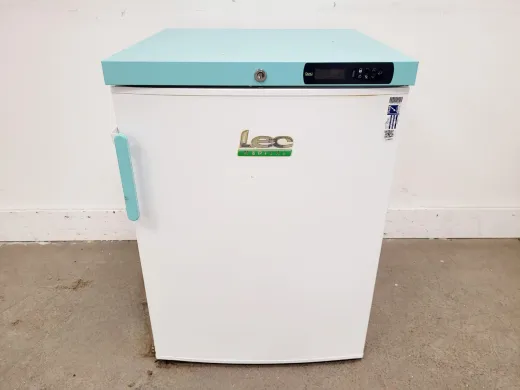
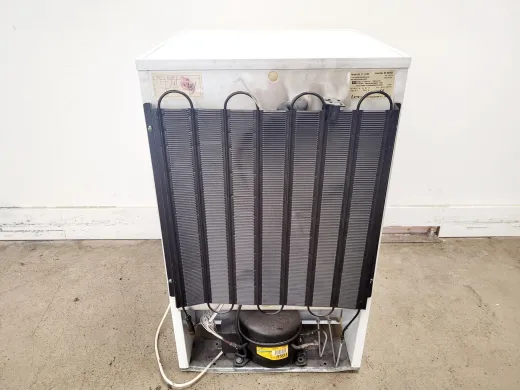
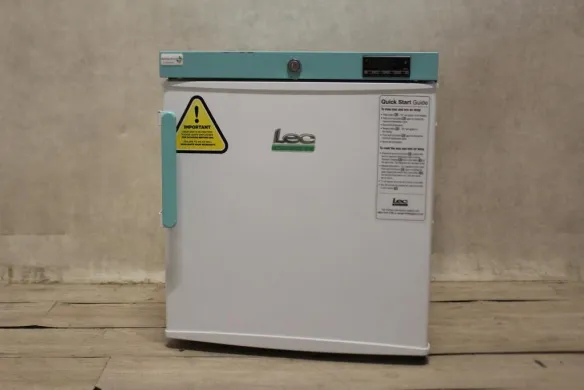
LEC is a British manufacturer of medical and laboratory refrigeration, founded in 1942 as Longford Engineering Company Ltd by brothers Frank and Charles Purley in Bognor, where it made munitions before turning to refrigerator production from 1945. The company is based in Prescot, Merseyside, and has operated as a division of Glen Dimplex since the 2005 acquisition of LEC Refrigeration plc. Its range covers laboratory refrigerators, pharmacy refrigerators, laboratory freezers, blood bank refrigeration and temperature monitoring equipment. On Questpair, 50 Lec units are listed by verified suppliers and distributors across 2 countries.
Updated:
LEC product list


Not the exact instrument you need?
Tell our scientists what you are after. We track it down, including off-market supply.
About LEC
LEC is a British manufacturer of medical and laboratory refrigeration equipment, trading as Lec Medical. It was founded in 1942 as Longford Engineering Company Ltd by brothers Frank and Charles Purley in Bognor, originally making munitions before moving to refrigerator manufacturing from 1945. The company is headquartered in Prescot, Merseyside, in the United Kingdom. Since 2005, when Glen Dimplex acquired LEC Refrigeration plc, Lec Medical has operated as a division of Glen Dimplex Professional Appliances, itself part of Glen Dimplex Home Appliances Limited. The brand's output centres on temperature-controlled storage for clinical and scientific settings rather than on general appliances. On Questpair, its equipment is listed second-hand by verified suppliers and distributors.
Lec Medical product lines
The range is built around cold storage for environments where the stored contents are regulated. Laboratory refrigerators and laboratory freezers hold reagents, samples and biological material at a controlled temperature. Pharmacy refrigerators are specified for medicine and vaccine storage, built to hold the two-to-eight-degree band that most pharmaceuticals require rather than simply reaching a low temperature. Blood bank refrigeration forms a distinct line, designed around the tighter requirement for storing blood products. Combination fridge-freezers and large-capacity units extend the range upward in volume for sites that need more storage from a single footprint.
Alongside the cabinets, the range includes temperature monitoring equipment and data loggers. In a regulated store these are not accessories but part of how the storage is proven: a pharmacy or clinical laboratory has to document that its stock stayed within range, and the logger is what produces that record. Where a unit carries integrated monitoring, excursion alarms and the recorded history are built into the equipment itself.
Vaccine refrigeration is one of the clearest applications for this part of the market, and it sits at the intersection of refrigeration and molecular diagnostics supply chains, since the reagents and test kits that clinical laboratories rely on share the same cold-storage requirement. A pharmacy vaccine refrigerator holds the band that keeps a vaccine viable, while a laboratory sample refrigerator keeps reagents and specimens stable between runs. Blood bank refrigeration supports transfusion medicine, and the same controlled storage underpins work in microbiology and genomics, where cultures, extracted nucleic acids and prepared samples degrade if they drift out of range. A cold-chain refrigerator for a clinical laboratory is therefore specified by the temperature band it holds and the record it keeps, not by its cabinet size alone. The data logger that accompanies such a unit is the component a regulated lab checks first, because the storage is only as useful as the proof that it held.
Lec listings on Questpair
The Questpair catalogue holds 50 Lec listings from 4 suppliers across 2 countries. Every one of them is used: 100 percent of the listings are used. That makes this a second-hand catalogue rather than a mix of new and pre-owned stock.
Prices run from EUR 118 to EUR 858. The average sits at EUR 324. The spread tracks the range itself, from a small pharmacy refrigerator at the lower end to a large-capacity upright unit at the top.
A buyer working through these listings should read the model and the condition together. A pharmacy unit, a blood bank unit and a laboratory refrigerator are not interchangeable, so the category each listing names is the first thing to check against the intended use. The second is the state of the compressor and seals, since those determine how long a used refrigeration unit will hold temperature. Where a warranty is wanted, it is arranged in consultation for the specific listing. Parts can be sourced via Questpair, and for manuals or documentation a buyer can contact Questpair, where specialists respond within the hour.
Questpair review of LEC
Our take based on listings data and supplier feedback
Lec Medical occupies a narrower part of the laboratory equipment market than a general cold-storage supplier. The brand concentrates on refrigeration for environments where the stored contents carry regulatory weight, pharmacy stock, laboratory reagents, blood products, and that focus shapes what the equipment does and how it is specified. The three points below are worth examining against what the Questpair listings actually show.
The first is the medical and pharmaceutical orientation of the range. A pharmacy refrigerator differs from a domestic one in the tolerance it holds rather than the temperature it reaches. Vaccines and many pharmaceuticals have a defined storage band, commonly two to eight degrees, and the equipment is built to stay inside it rather than cycle widely between compressor runs. Blood bank refrigeration carries its own requirement, with a tighter target around four degrees for red cell storage. Lec's product categories map onto these distinct uses, which is why the brand appears in pharmacies and clinical laboratories rather than only in research cold rooms. For a buyer, the practical consequence is that the model matters: a pharmacy unit and a blood bank unit are not interchangeable, and the listing description is where that distinction has to be read.
The second is temperature monitoring. The range includes monitoring equipment and data loggers, and this is not a peripheral feature for a regulated store. A pharmacy or a blood bank has to document that its stock stayed within range, which means a continuous temperature record, alarms for excursions, and a way to retrieve the history. Where a unit includes built-in monitoring, the compliance task is part of the equipment rather than a separate instrument to bolt on. A buyer evaluating a used unit should establish what monitoring it carries and whether the logging function still operates, because a refrigerator that holds temperature but cannot prove it does little for an audited store.
The third is availability and price on the marketplace. All 50 Lec listings on Questpair are second-hand, and the catalogue is modest rather than deep. Prices run from EUR 118 to EUR 858, with an average of EUR 324, a spread that reflects the difference between a small benchtop pharmacy refrigerator and a large-capacity upright unit. Used equipment at these prices sits well below new pricing, which is the straightforward argument for the second-hand route. The counterweight, and the reason to read each listing carefully, is condition: a refrigeration unit's working life depends on its compressor and seals, and a used medical fridge is worth buying on the strength of its recent temperature performance rather than its model name alone. Where warranty matters, it is arranged in consultation for the specific listing rather than supplied as a blanket term, so the question belongs with the individual unit.
**Specialist medical refrigeration**
Lec Medical builds refrigerators and freezers designed for pharmacy, laboratory and blood bank storage, where temperature stability within a defined band matters more than volume.
**Second-hand availability at marketplace prices**
On Questpair, 50 used Lec units are listed, with prices running from EUR 118 to EUR 858 against an average of EUR 324.
**Temperature monitoring built in**
The product range extends beyond storage to temperature monitoring and data loggers, which record the thermal history a regulated sample store has to document.
Frequently asked questions
Where can I find manuals or documentation for a LEC unit?
Contact Questpair for manuals and documentation, and specialists respond within an hour. This covers the model-specific paperwork a regulated store needs to prove its storage.
How much does a LEC refrigerator cost?
Across the Questpair catalogue, LEC listings range from EUR 118 to EUR 858, with an average of EUR 324. A small pharmacy refrigerator sits at the lower end and a large-capacity upright unit at the top.
What's the difference between a refurbished and a used LEC unit?
Both are priced below new. The practical difference is in the state of the compressor and seals, so read the condition each listing names rather than the label alone, since those parts determine how long a unit holds temperature.
Do LEC units on Questpair come with a warranty?
A warranty is often possible and is arranged in consultation for the specific listing. Terms are not set centrally, so check the individual listing you are considering.
Are LEC refrigerators suitable for clinical and research use?
Yes, the range is built for environments where the stored contents are regulated, including pharmacy vaccine storage, laboratory samples and reagents, and blood products. A clinical or research buyer should specify by the temperature band the unit holds and the record its monitoring keeps, not by cabinet size alone.
How long does a LEC refrigeration unit last?
Lifespan on a used unit depends mainly on the condition of the compressor and the door seals, since those determine how reliably it holds temperature over time. Read the stated condition of each listing against how heavily it was previously used.
Can I get spare parts for a LEC unit?
Parts can be sourced via Questpair. For a used refrigeration unit the parts most worth checking are the compressor and the seals.
What are the alternatives to LEC for medical and laboratory refrigeration?
The alternatives depend on which category you need, since a pharmacy refrigerator, a blood bank unit and a laboratory freezer serve different requirements. Other makers of temperature-controlled clinical and scientific storage appear in the same Questpair categories, so compare by the temperature band and monitoring each unit provides.
How long does delivery take?
Lead time depends on the individual listing and the supplier holding it, as these are used units offered by verified suppliers and distributors across 2 countries. Contact Questpair for the timeline on a specific unit.
What's the difference between parts and spares when buying a LEC unit?
In practice the terms are used interchangeably for the replaceable components of a refrigeration unit, such as compressors, seals and shelving. Parts can be sourced via Questpair.
Can LEC units be shipped internationally?
Listings come from verified suppliers and distributors across 2 countries, so cross-border shipping depends on the supplier of the specific unit. Contact Questpair to confirm shipping for a listing you are interested in.
What product lines does LEC make and how do they differ?
LEC Medical covers laboratory refrigerators and freezers for reagents and samples, pharmacy refrigerators built to hold the two-to-eight-degree band for medicines and vaccines, and blood bank refrigeration designed around the tighter requirement for blood products. Combination fridge-freezers and large-capacity units extend the range by volume, and temperature monitoring equipment and data loggers produce the record a regulated store needs.
Which types of LEC equipment are listed here and in what condition?
The LEC listings on Questpair include laboratory refrigerators, laboratory freezers, medical freezers, cold storage equipment, medical refrigerators and pharmacy refrigerators. Every one of them is used: 100 percent of the listings are second-hand, so this is a pre-owned catalogue rather than a mix of new and used stock.
What separates the cheapest LEC listings from the most expensive?
The spread tracks the range itself, from a small pharmacy refrigerator at the lower end to a large-capacity upright unit at the top, so category and capacity drive most of the gap. Condition also moves the price, since a unit with a worn compressor or seals sits below one in better order.
About Questpair
Questpair is the European marketplace for lab equipment, where AI-prepared cases and personal specialists guide every purchase. We work with 247 verified suppliers across 38 countries to find buyers the right new, used or refurbished instruments, with response within 1 hour and significant savings vs buying new.
Personal · Fast · Reliable · Affordable