
JASCO equipment
We personally find you the right new, used & refurbished JASCO instruments & equipment from verified suppliers
JASCO is a Japanese analytical instrumentation manufacturer specialising in molecular spectroscopy and chromatography, founded in 1958 in Tokyo as the Japan Spectroscopic Company. The firm grew out of the Institute of Optics, where scientists built their own infrared spectrometer in the mid-1950s and faced growing demand to replicate it. Today the company is based in Hachioji, Tokyo, and its product range covers FTIR and UV/Vis/NIR spectrophotometers, circular dichroism and fluorescence spectrometers, polarimeters, and HPLC, UHPLC and supercritical fluid chromatography systems. On Questpair, 50 used JASCO instruments are available from 11 verified suppliers and distributors across 5 countries.
Updated:
JASCO product list
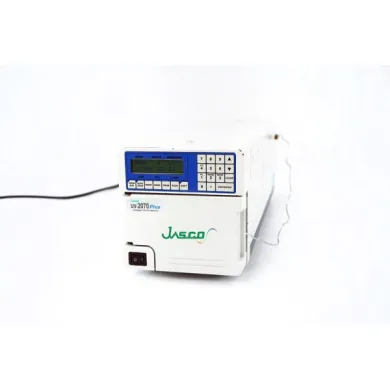
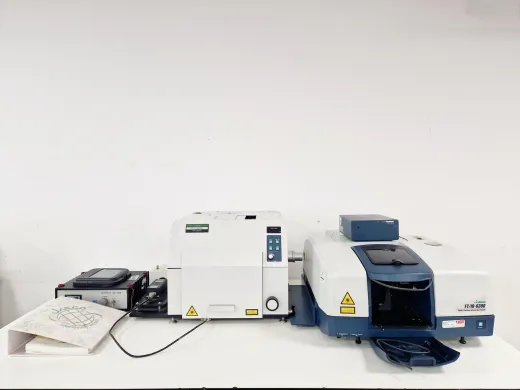
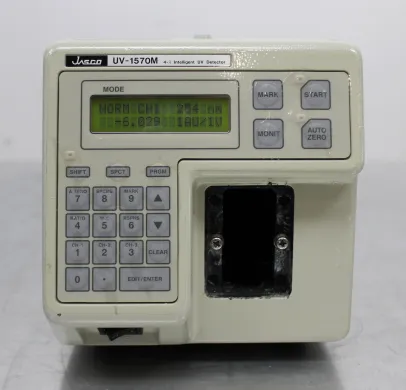


Not the exact instrument you need?
Tell our scientists what you are after. We track it down, including off-market supply.
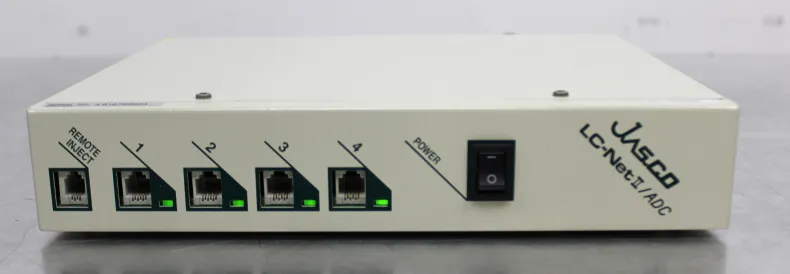
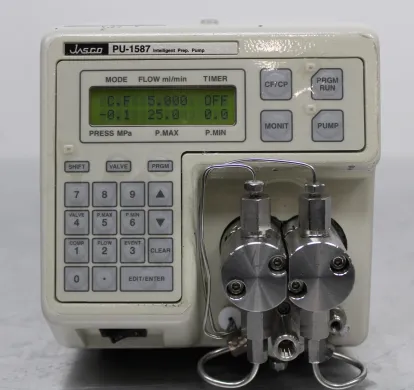
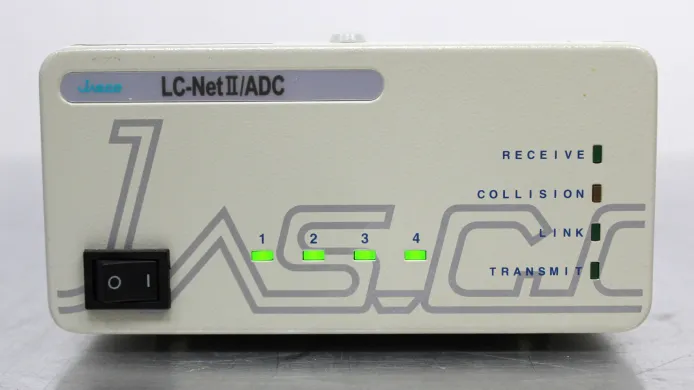
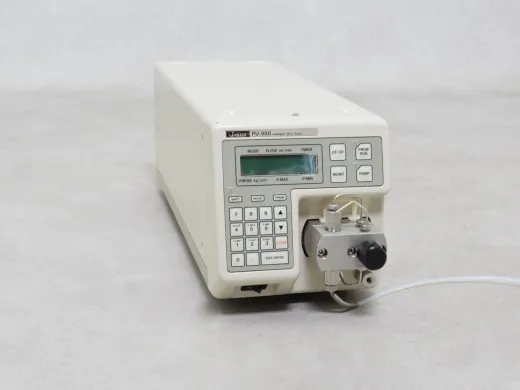
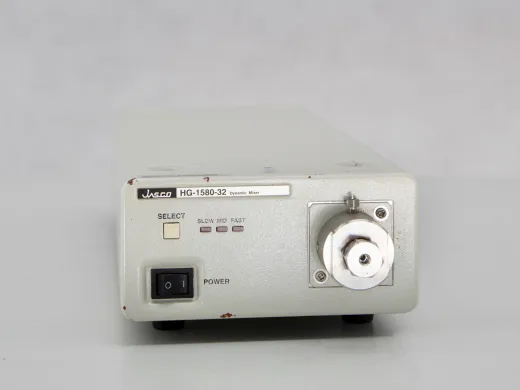
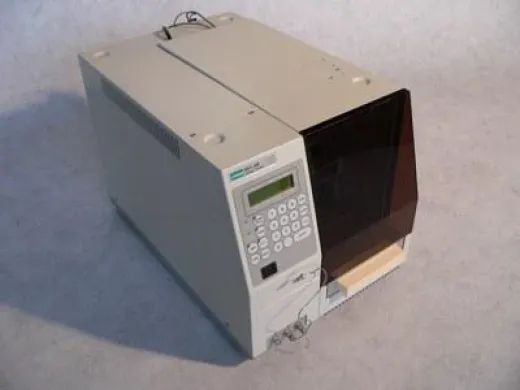
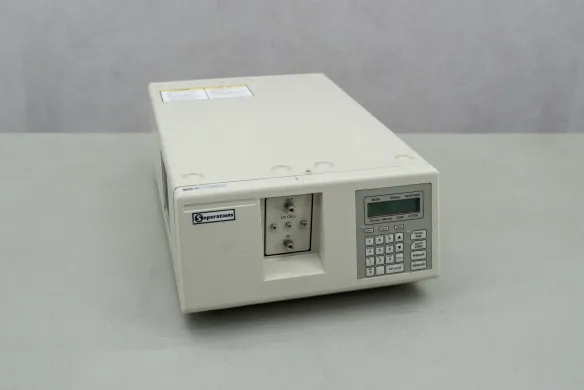
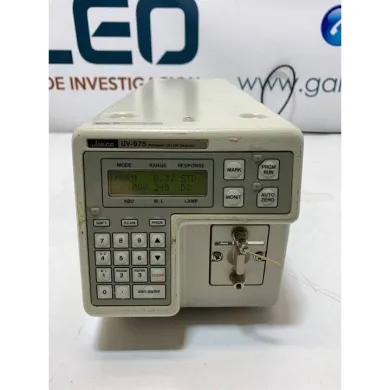
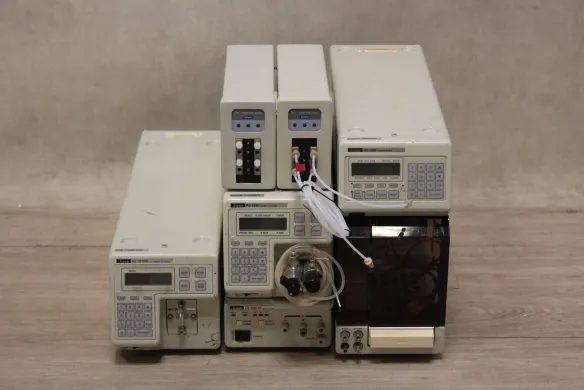
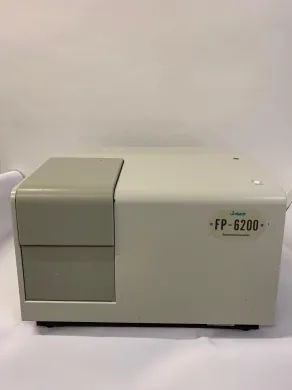
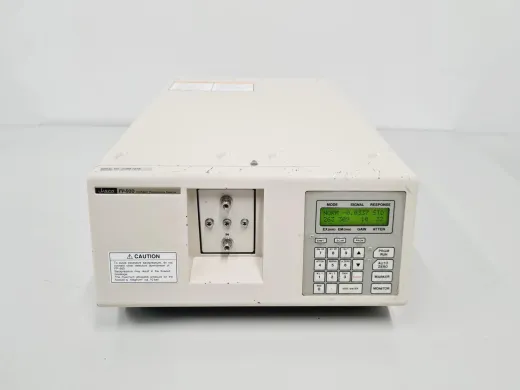
About JASCO
JASCO is a Japanese analytical instrumentation manufacturer that specialises in molecular spectroscopy and chromatography. The company was founded in 1958 in Tokyo as the Japan Spectroscopic Company. Its origin lies at the Institute of Optics, later part of Tsukuba University, where scientists built their own infrared spectrometer in the mid-1950s and then faced growing demand to replicate it. The firm is headquartered in Hachioji, Tokyo. Its primary categories are molecular spectroscopy instruments, including FTIR spectrometers, UV/Vis/NIR spectrophotometers, circular dichroism spectrometers, fluorescence spectrophotometers, Raman spectrometers and polarimeters, together with HPLC, UHPLC and supercritical fluid chromatography systems. On Questpair, used JASCO instruments are listed by verified suppliers and distributors across several countries.
JASCO spectroscopy and chromatography product lines
The spectroscopy side is the older half of the business and the one the company name still points to. FTIR spectrometers and UV/Vis/NIR spectrophotometers cover the workhorse absorption measurements, while the circular dichroism line addresses a narrower need: the measurement of chiral molecules and the secondary structure of proteins. That last application is where the equipment crosses into life sciences, because circular dichroism is a standard method in protein characterisation and formulation work, used to follow how a protein folds and unfolds. Fluorescence spectrophotometers add the sensitivity needed for trace detection and for the labelled assays common in molecular biology, and they are also used for nucleic acid and enzyme kinetics measurements. Raman spectrometers and polarimeters round out the molecular spectroscopy group, the latter a mainstay of sugar and pharmaceutical analysis where optical rotation is the measured quantity.
The chromatography lines serve separation rather than spectroscopy. HPLC and UHPLC systems handle the routine and high-throughput separations that underpin analytical chemistry, and in a life sciences setting they feed into peptide mapping, protein purification and the kind of small-molecule analysis that sits behind molecular diagnostics. Supercritical fluid chromatography is the specialist mode here, valued for chiral separations and for work where a liquid mobile phase is a poor fit. Detection hardware from the spectroscopy side and separation hardware from the chromatography side share a common control environment, which is part of why labs running both techniques look to a single maker.
Across the whole range, the instruments measure, separate and characterise rather than process material, which places them upstream in the workflow of fields such as proteomics, genomics support and pharmaceutical development. A buyer searching for a used circular dichroism spectrometer for protein secondary structure analysis, or a JASCO HPLC system for small-molecule separation, is looking at the kind of equipment this maker has built continuously since the late 1950s.
What JASCO instruments are listed on Questpair?
Everything listed under JASCO on Questpair is used. The catalogue holds 50 listings from 11 verified suppliers and distributors across 5 countries, and 100 percent of the listings are used. Prices run from EUR 190 to EUR 13.161. The width of that range follows from the mix of instrument types, since a polarimeter and a configured chromatography system sit at opposite ends of it, so the price on an individual listing is the one that matters.
A used analytical instrument of this kind is usually worth having its specification confirmed for the intended measurement before a purchase, and that check belongs against the specific listing. Where documentation or manuals are needed, Questpair can be contacted and specialists respond within the hour. Parts can be sourced via Questpair. A warranty is often possible and is arranged in consultation for the individual listing rather than offered as a standard term. For a buyer weighing a used JASCO unit against a new one, the price difference is the clear distinction: the used route is listed below a new equivalent, and the rest of the decision rests on the condition and specification of the particular instrument on offer.
Questpair review of JASCO
Our take based on listings data and supplier feedback
JASCO sits in a narrower band of the instrument market than the large generalist makers, and that focus shapes what a buyer finds in the listings. The company builds molecular spectroscopy hardware and chromatography systems rather than a broad catalogue of unrelated lab equipment, which is the first thing worth weighing when a JASCO unit appears against a cheaper alternative from a maker whose spectroscopy line is one product family among many.
The range depth is the clearest point in the brand's favour. A lab that already knows it needs circular dichroism, for instance, is choosing among a short list of makers, and JASCO is one of the few that has built CD instruments continuously for decades. The same holds for the fluorescence and polarimetry lines. On Questpair the catalogue reflects this spread: FTIR spectrometers, UV/Vis/NIR spectrophotometers and the chromatography systems all turn up among the 50 listings, so a buyer sourcing a specific technique is not forced toward a near neighbour that measures something adjacent. Whether a given technique is in stock on any particular day depends on what the suppliers have listed, and the catalogue is the place to check rather than this page.
The second point, chromatography alongside spectroscopy from one maker, matters mainly to labs running both. JASCO's HPLC and UHPLC systems share a control environment with the detection hardware, and the supercritical fluid chromatography line extends that into a separation mode fewer makers offer. For a buyer standardising on one vendor, that consistency has a practical value that a mixed fleet does not, though it is worth saying this is an operational convenience and not a performance claim.
Price is where the used market changes the calculation. Every JASCO instrument listed on Questpair is used, and 100 percent of the listings are used. Prices run from EUR 190 to EUR 13.161. That spread is wide because it covers everything from a polarimeter to a fully configured chromatography system, so the figure to look at is the individual listing rather than the range. A used unit is listed below the price of a new equivalent, and that difference is the main reason the second-hand route is worth considering for a technique where JASCO is already on the shortlist.
Two things temper the picture. The listings come from 11 suppliers across 5 countries, so availability of any one model is not guaranteed. And a used analytical instrument of this kind usually needs its specification confirmed for the intended measurement before purchase, which is a conversation to have against the specific listing. Where a warranty matters, that is arranged in consultation for the individual unit rather than offered as a blanket term.
**Spectroscopy range depth**
JASCO's catalogue on Questpair spans the molecular spectroscopy families the company builds in-house, from FTIR and UV/Vis/NIR to circular dichroism and fluorescence, so a buyer can match an instrument to a specific measurement rather than settle for an adjacent technique.
**Chromatography alongside spectroscopy**
The same maker's HPLC, UHPLC and supercritical fluid chromatography systems appear in the listings, which lets a lab source separation and detection hardware from one manufacturer with consistent control software.
**Used pricing below new**
Across 50 listings from 11 verified suppliers and distributors, prices run from EUR 190 to EUR 13.161, every unit used and priced below a new equivalent.
Frequently asked questions
Where can I find manuals or documentation for a JASCO instrument?
Contact Questpair for documentation on a specific JASCO instrument and specialists respond within an hour. Because the catalogue covers a range of spectroscopy and chromatography models, naming the exact unit helps locate the right manual.
How much does a used JASCO instrument cost?
Listings range from EUR 190 to EUR 13.161, with an average around EUR 1.394. The spread reflects the mix of instrument types, since a polarimeter and a configured chromatography system sit at opposite ends, so the price on the individual listing is what matters.
What is the difference between refurbished and used JASCO equipment?
A used unit is sold in its existing condition, while a refurbished one has been reconditioned before sale. Both are listed below the price of a new equivalent, and the condition detail is stated on each listing.
Does a used JASCO instrument come with a warranty?
A warranty is often possible and is arranged in consultation for the specific listing. Terms are not set centrally, so check the individual listing and discuss what can be arranged.
Are JASCO instruments suitable for clinical or research use?
JASCO instruments measure, separate and characterise rather than process material, which places them upstream in research workflows such as proteomics, genomics support and pharmaceutical development. Circular dichroism and fluorescence units are used in protein and molecular biology work, while HPLC and UHPLC feed peptide mapping and small-molecule analysis. Confirm the specification against your intended measurement on the individual listing.
How long do JASCO instruments last?
These are analytical instruments built for continuous laboratory use, and the company has produced spectroscopy and chromatography hardware since the late 1950s. Service history and condition determine remaining working life more than age alone, so review the specifics of each listing.
Can I get parts for a JASCO instrument?
Parts can be sourced via Questpair. Identify the model and the component you need so the right part can be located.
What are good alternatives to JASCO for spectroscopy or chromatography?
Alternatives depend on the technique. For molecular spectroscopy and chromatography there are several other analytical instrument makers listed on Questpair, and the right comparison turns on the specific measurement, FTIR, UV/Vis/NIR, circular dichroism, fluorescence, HPLC or supercritical fluid chromatography, you need to run.
How long is the lead time on a used JASCO unit?
Lead time depends on the supplier holding the unit and its location across 5 countries. The individual listing and the supplier handling it give the accurate timing.
What is the difference between parts and spares for these instruments?
In practice both terms refer to replacement components for a JASCO instrument, whether a detector module, pump or optical element. Either can be sourced via Questpair once the model and component are identified.
Can a JASCO instrument be shipped internationally?
The catalogue draws on verified suppliers and distributors across 5 countries, so cross-border shipment is common. Shipping arrangements are handled per listing with the supplier that holds the unit.
What product lines does JASCO make and how do they differ?
The spectroscopy side covers FTIR and UV/Vis/NIR spectrophotometers for absorption measurement, circular dichroism spectrometers for chiral molecules and protein secondary structure, fluorescence spectrophotometers for trace and labelled detection, plus Raman spectrometers and polarimeters. The chromatography side covers HPLC and UHPLC systems for routine and high-throughput separation, and supercritical fluid chromatography for chiral separations and cases where a liquid mobile phase is a poor fit. Detection and separation hardware share a common control environment, which is why labs running both techniques look to a single maker.
Which JASCO instrument types are listed here and in what condition?
Everything listed under JASCO on Questpair is used, with 100 percent of listings marked used across 50 listings. The types that appear include analytical instruments, fluorescence detectors, HPLC detectors, HPLC pumps, spectrofluorometers and photometric detectors.
What separates the cheapest JASCO listings from the most expensive?
The low end holds standalone components and simpler instruments such as individual detectors, pumps or a polarimeter, while the high end holds configured chromatography systems built from several modules. That span runs from EUR 190 to EUR 13.161, so the configuration and condition of the specific unit decide where a listing falls.
About Questpair
Questpair is the European marketplace for lab equipment, where AI-prepared cases and personal specialists guide every purchase. We work with 247 verified suppliers across 38 countries to find buyers the right new, used or refurbished instruments, with response within 1 hour and significant savings vs buying new.
Personal · Fast · Reliable · Affordable