
International Equipment Company equipment
We personally find you the right new, used & refurbished International Equipment Company instruments & equipment from verified suppliers
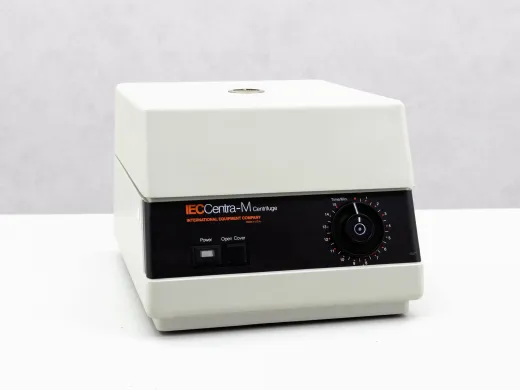
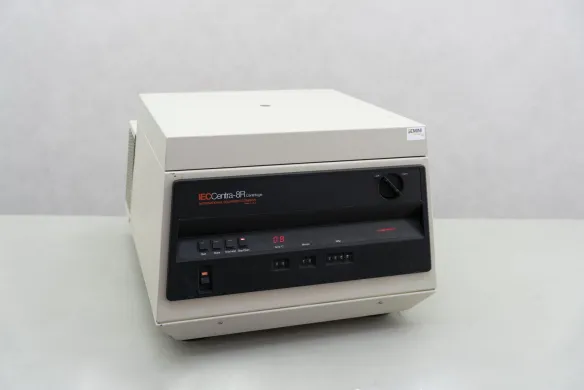
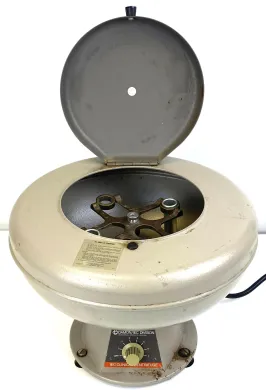
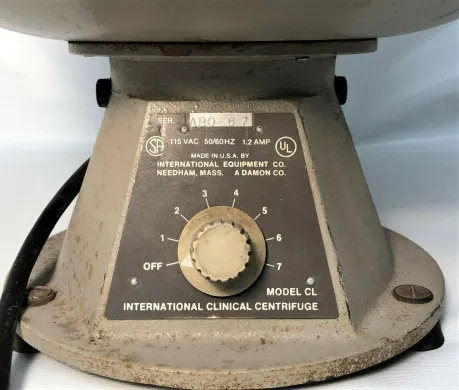
International Equipment Company is an American laboratory centrifuge manufacturer based in Needham Heights, United States. The firm built its name on clinical and benchtop centrifuges, and its catalogue runs from general-purpose spinners to refrigerated models for temperature-sensitive samples. The IEC Centra, HN, CL and CR series are the lines most often encountered on the second-hand market, many of them still turning in working labs decades after purchase. On Questpair, 60 IEC listings are available from 7 verified suppliers and distributors across 4 countries, the greater part of them used units carried over from labs that have since upgraded.
Updated:
International Equipment Company product list
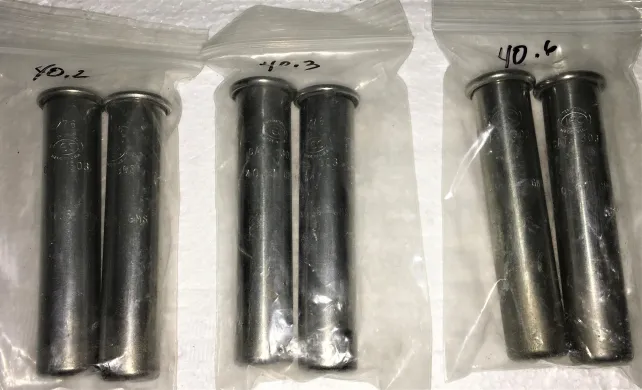
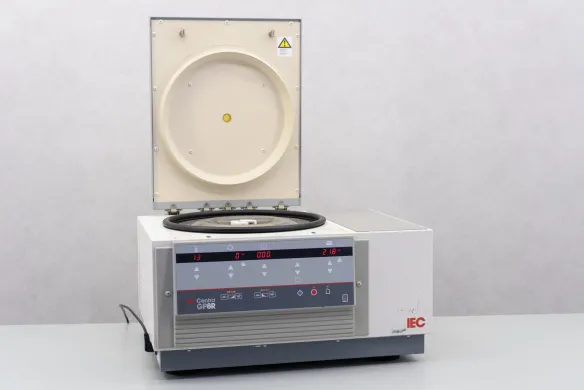
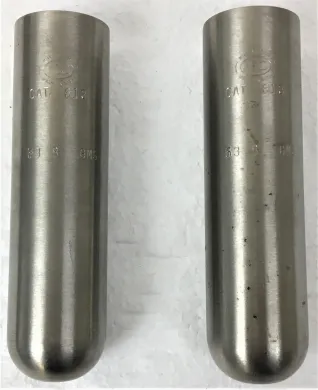
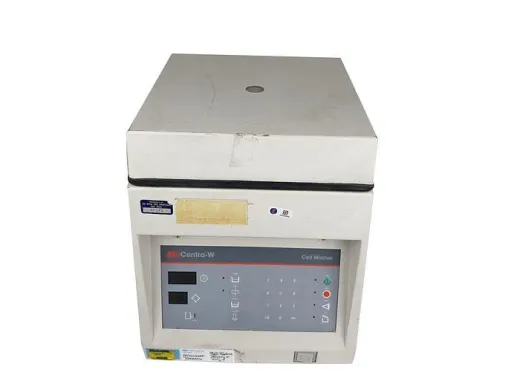


Not the exact instrument you need?
Tell our scientists what you are after. We track it down, including off-market supply.
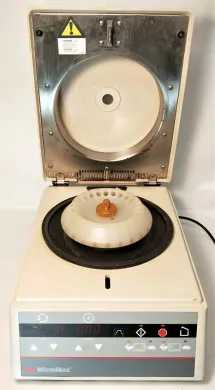
About International Equipment Company
International Equipment Company is an American laboratory centrifuge manufacturer headquartered in Needham Heights, United States. The company specialised in centrifugation, producing clinical centrifuges, benchtop centrifuges and refrigerated models for laboratory use. Its best-known product families are the IEC Centra, HN, CL and CR series. Centrifuges separate the components of a mixture by spinning it at speed, so the denser fraction moves outward, and that single function underpins a wide set of laboratory tasks. In clinical and research settings IEC instruments handle the preparation of blood fractions, the pelleting of cells, and the clarification of samples ahead of analysis. On Questpair, IEC equipment appears almost entirely on the used market, which is where a discontinued brand of this kind now mostly changes hands.
IEC centrifuge series on Questpair
The four series named above map onto distinct working needs. The HN and CL lines are the clinical and benchtop workhorses, compact units sized to sit on a bench and run routine separations through the day. The CR series adds refrigeration, which is what the work calls for when a sample must stay cold through a spin, as it must for serum and plasma separation and for temperature-sensitive protein preparation. The Centra line covers general-purpose laboratory models across a range of capacities. Because these are legacy instruments, the resale listings tend to cluster around the models that were sold in volume and that labs ran hardest, which is why the HN and clinical variants recur across the catalogue.
What the work involves
A benchtop centrifuge of this class does the everyday groundwork of a clinical and molecular biology lab. Spinning whole blood to separate serum or plasma is the starting point for most immunoassay and molecular diagnostics workflows, and a refrigerated model keeps that fraction cold enough to preserve it. The same instruments pellet cells in cell culture work and clarify lysates in protein purification, two steps that recur whenever a downstream genomics or proteomics analysis depends on a clean starting material. In a haematology bench the spin prepares samples for a blood count; in a microbiology lab it concentrates a culture. None of this is exotic, and that is the point: a clinical laboratory centrifuge is a general tool whose value lies in reliability across hundreds of routine runs rather than in any single specialised capability. For a buyer sourcing one second-hand, the field of use is settled, and the question is condition and compatibility with an existing rotor set.
On Questpair
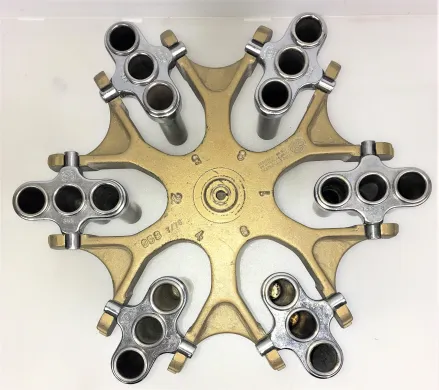
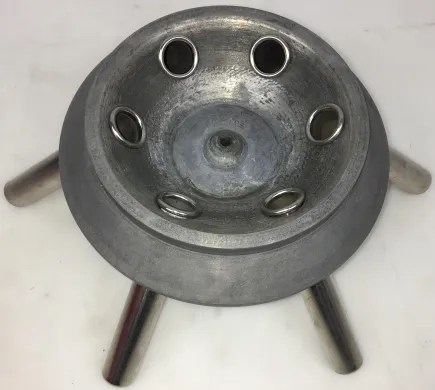
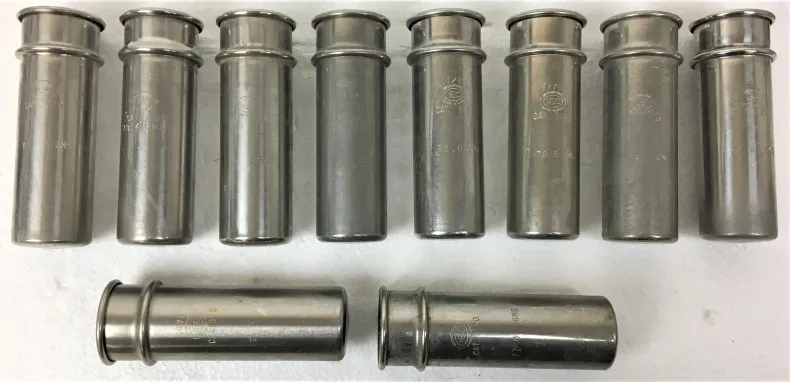
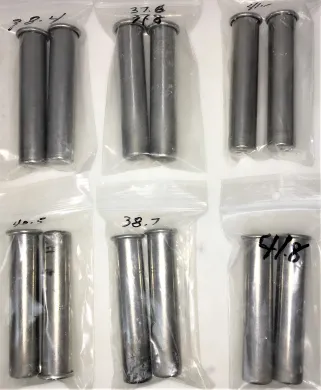
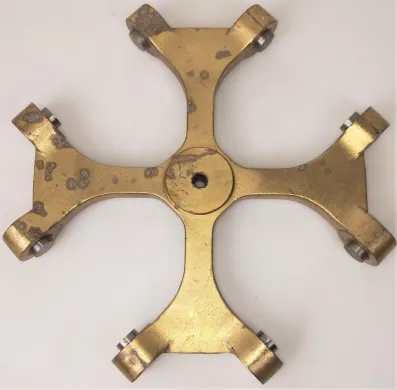
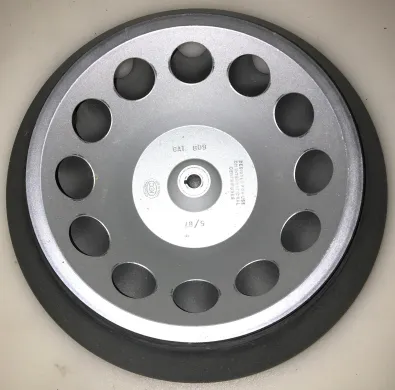
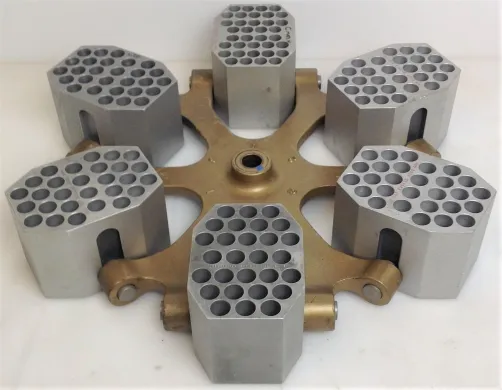
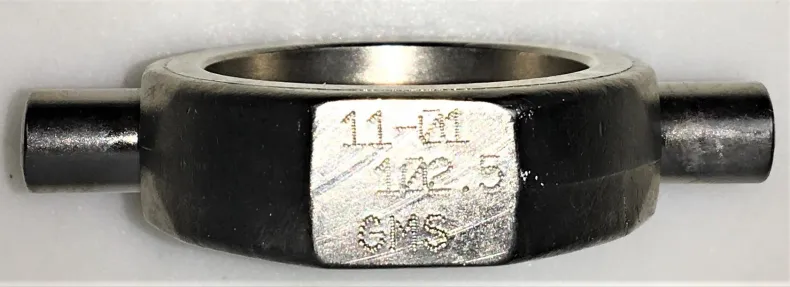
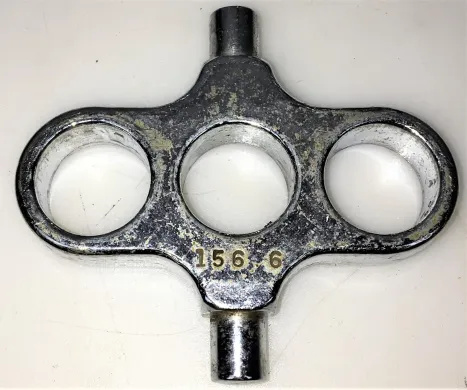
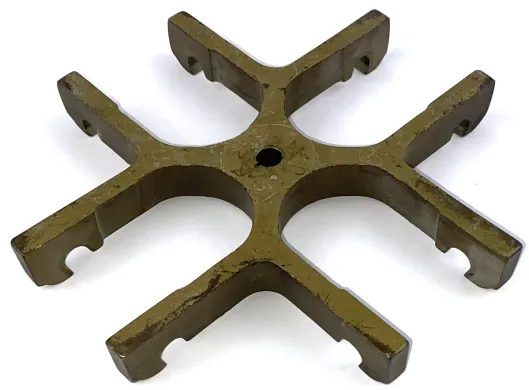
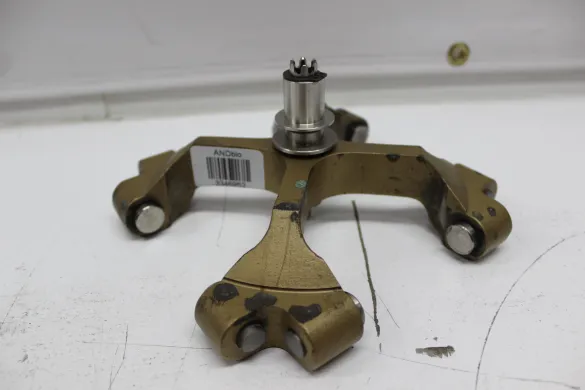
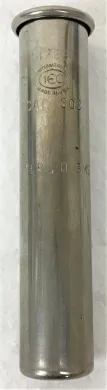
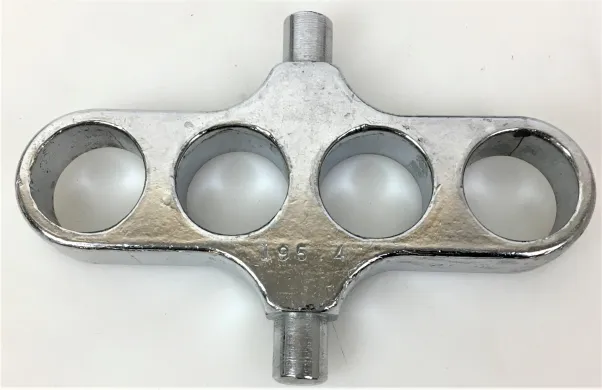
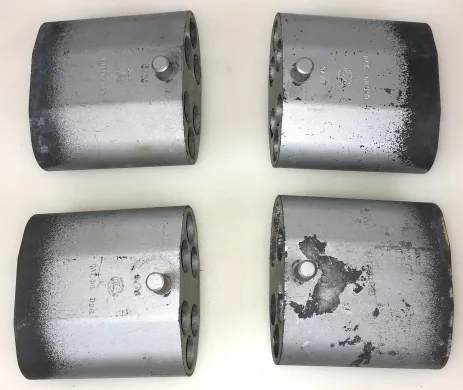
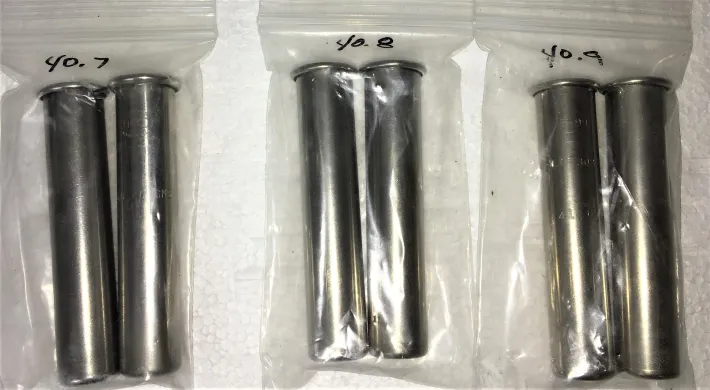
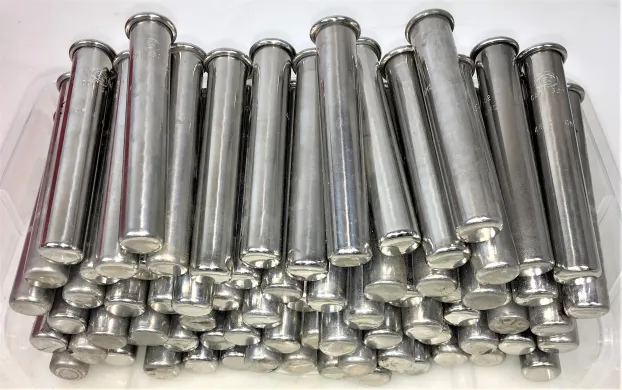
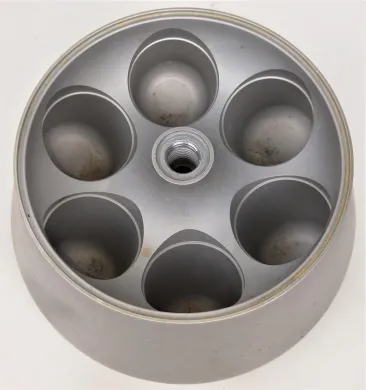
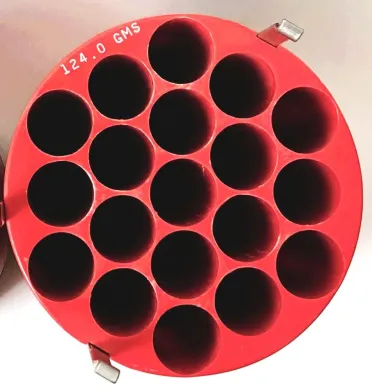
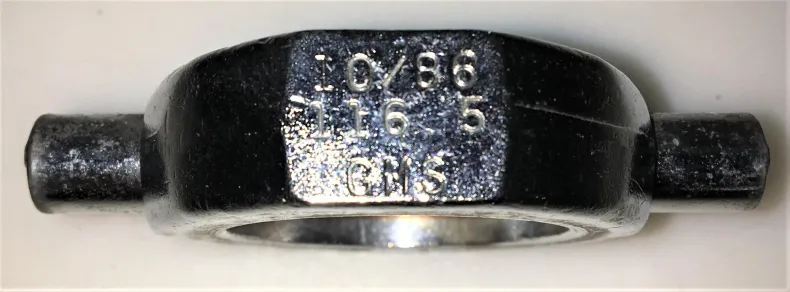
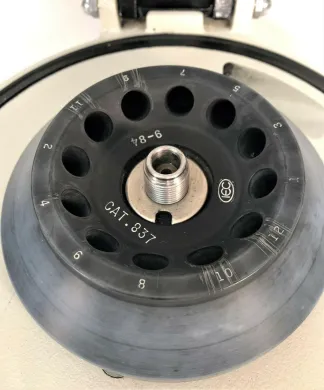
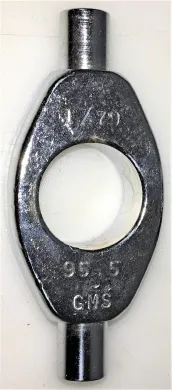
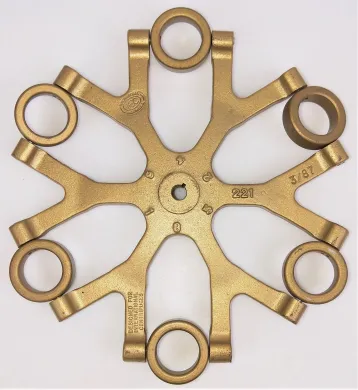
The IEC catalogue on Questpair is a used-dominated one. 97 percent of the listings are used. Prices range from EUR 13 to EUR 1.784, with an average of EUR 377, a spread that reflects the difference between a single accessory and a complete refrigerated instrument. The listings come from 7 verified suppliers and distributors spread across 4 countries. Among the listings that specify a type, centrifuge rotor, swing-out rotor, centrifuge accessory, swing-out rotor centrifuge, benchtop centrifuge, refrigerated benchtop centrifuge are the ones that appear most often.
Because IEC as a product family has been discontinued, the resale channel is the practical route to matching an existing unit or sourcing a compatible part. Parts can be sourced via Questpair, and where documentation is needed the buyer can contact Questpair directly, with specialists responding within the hour. A warranty is often possible and is arranged in consultation for the specific listing, so the condition terms attach to the individual machine rather than to the brand as a whole. For labs still running an IEC spinner, that combination, a live resale catalogue plus a parts and documentation route, is what keeps an older instrument serviceable long after the maker moved on.
Questpair review of International Equipment Company
Our take based on listings data and supplier feedback
International Equipment Company occupies a particular niche in the resale market: a maker whose instruments were built for routine separation work and have outlived several generations of the labs that bought them. That durability is what shapes the three points worth drawing out here.
The first is the breadth of centrifugation the catalogue covers. IEC did not build a single flagship; it built a working range, and the resale listings reflect that. The HN and CL lines sit at the clinical and benchtop end, the kind of unit a hospital haematology bench or a teaching lab would run daily. The CR series brings refrigeration for work where the sample cannot be allowed to warm during the spin, which matters for blood fractions and for enzyme preparations. The Centra line spans a middle ground of general laboratory models. Because centrifuge rotor, swing-out rotor, centrifuge accessory, swing-out rotor centrifuge, benchtop centrifuge, refrigerated benchtop centrifuge appear across the condition-mixed catalogue, a buyer equipping a clinical lab and one fitting out a research bench are not looking at two separate markets, they are looking at the same one from different ends.
The second point is price. With 97 percent of the listings used, this is emphatically a second-hand catalogue, and the figures bear that out. Prices run from EUR 13 to EUR 1.784. The average sits at EUR 377. That spread is wide because it covers everything from a bare rotor or a loose accessory at the low end to a complete refrigerated instrument at the top. For a lab replacing a failed unit of a model IEC no longer makes, or for a facility that needs a second spinner without a capital request, that range is the practical appeal. The instruments are old enough that the question is rarely whether the technology is current, it is whether the specific unit on offer is sound.
The third point is supply. 7 verified suppliers and distributors list IEC equipment across 4 countries. For a discontinued line that is not a trivial detail. When a manufacturer has folded a product family into a successor brand, as happened with IEC, the resale channel becomes the main way to match an existing instrument, find a compatible rotor, or source a like-for-like replacement. Having more than one seller, in more than one country, means a buyer chasing a particular HN or CR variant is not dependent on a single listing appearing and disappearing.
What the catalogue does not tell you is as worth noting as what it does. The listings distinguish new from used, nothing finer, so condition beyond that is a matter for the individual listing and the seller. With only a handful of new units among the total, most purchases here are judgement calls on a specific used machine. A warranty is possible on a given listing and is arranged in consultation. Parts, where a rotor or a lid latch is needed, can be sourced via Questpair. The sensible approach to an IEC centrifuge, then, is to treat the brand as a known quantity and the individual unit as the thing to scrutinise.
**Centrifugation span across clinical and research work**
The catalogue covers the IEC Centra, HN, CL and CR lines, so a buyer sourcing for a clinical lab and one equipping a research bench both find candidates in the same place.
**A used-weighted catalogue at accessible prices**
97 percent of the listings are used, with prices from EUR 13 to EUR 1.784 and an average of EUR 377, which puts legacy instruments within reach of modest budgets.
**Supply spread across several countries**
Listings come from 7 verified suppliers and distributors across 4 countries, giving a buyer more than one source for a discontinued model.
Frequently asked questions
Where can I find manuals and documentation for IEC centrifuges?
Documentation for IEC instruments can be requested through Questpair, where specialists respond within the hour. This matters for legacy IEC models, since manuals for discontinued lines are not always packed with a used unit.
How much does an IEC centrifuge cost on the used market?
Across the IEC catalogue on Questpair prices range from EUR 13 to EUR 1.784, with an average of EUR 377. The low end tends to be a single rotor or accessory and the high end a complete refrigerated instrument.
What is the difference between a refurbished and a used IEC centrifuge?
A used unit is sold in its working condition as carried over from a lab, while a refurbished unit has been checked and brought back to a defined standard before listing. Both are priced below new; the exact condition is stated on the individual listing.
Do these IEC centrifuges come with a warranty?
A warranty is often possible and is arranged in consultation for the specific listing. Because terms attach to the individual machine rather than to the brand, check what the seller states on that unit.
Are IEC centrifuges suitable for clinical and research use?
Yes. The HN and CL lines handle routine clinical separations such as serum and plasma preparation, and the CR series adds refrigeration for temperature-sensitive samples like protein preparations, which covers both diagnostic and research benches.
How long does an IEC centrifuge last?
IEC is a discontinued brand and many units are still running in labs decades after purchase, which is part of why they recur on the resale market. Lifespan on a used unit depends on how hard it was run and whether the rotor and motor have been maintained, both points to confirm on the listing.
Can I still get parts for an IEC centrifuge?
Parts can be sourced via Questpair. Since IEC was discontinued, the resale channel is the practical route to matching a rotor, bucket or accessory to an existing unit.
What are the alternatives if I cannot find the IEC model I need?
Within IEC itself, the HN, CL and Centra lines overlap as general benchtop and clinical spinners, so a different series may fit the same routine separations. If refrigeration is the requirement, the CR series is the one to match; otherwise any benchtop model sized to your rotor set and sample volume can serve.
What is the lead time on a used IEC centrifuge?
Lead time depends on the individual supplier and their location, since the listings come from verified suppliers and distributors across 4 countries. The listing or the supplier is where you confirm dispatch and transit time for a specific unit.
What is the difference between parts and spares for these centrifuges?
The two terms are used interchangeably for the same thing: rotors, buckets, lids and accessory components kept to replace worn or missing items on a working machine. All of these can be sourced via Questpair.
Can IEC centrifuges be shipped internationally?
The listings come from verified suppliers and distributors across 4 countries, so cross-border shipping is common. Arrangements and cost are set per listing by the supplier handling that unit.
What product lines does IEC make and how do they differ?
The four lines most seen are the Centra, HN, CL and CR series. The HN and CL are compact clinical and benchtop workhorses for routine daytime separations, the CR adds refrigeration for samples that must stay cold through a spin, and the Centra covers general-purpose laboratory models across a range of capacities.
Which types of IEC equipment are actually listed here and in what condition?
Among listings that specify a type, centrifuge rotors, swing-out rotors, centrifuge accessories, swing-out rotor centrifuges, benchtop centrifuges and refrigerated benchtop centrifuges appear most often. The catalogue is used-dominated, with 97 percent of listings used and the condition stated on each individual unit.
What separates the cheapest IEC listings from the most expensive?
The low end is typically a single accessory or rotor, while the high end is a complete refrigerated centrifuge with its rotor set. Between those sit the plain benchtop models, so the spread from EUR 13 to EUR 1.784 tracks what is in the box rather than a difference in brand tier.
About Questpair
Questpair is the European marketplace for lab equipment, where AI-prepared cases and personal specialists guide every purchase. We work with 247 verified suppliers across 38 countries to find buyers the right new, used or refurbished instruments, with response within 1 hour and significant savings vs buying new.
Personal · Fast · Reliable · Affordable