
HORIBA equipment
We personally find you the right used, refurbished & new HORIBA instruments & equipment from verified suppliers
HORIBA, Ltd. is a Japanese precision measurement and analytical instrument manufacturer, founded in Kyoto in 1945 as Horiba Radio Laboratory by Masao Horiba, a nuclear physics student at Kyoto University, and incorporated under its present name in 1953. The company is independent and listed on the Tokyo Stock Exchange, and its instruments cover spectroscopy, hematology analyzers, particle characterization, automotive emission measurement and pH and electrochemical metering. Product lines include HORIBA Scientific for Raman and fluorescence work and HORIBA ABX for blood analysis. On Questpair, 68 used HORIBA items are listed by verified suppliers and distributors across 6 countries.
Updated:
HORIBA product list
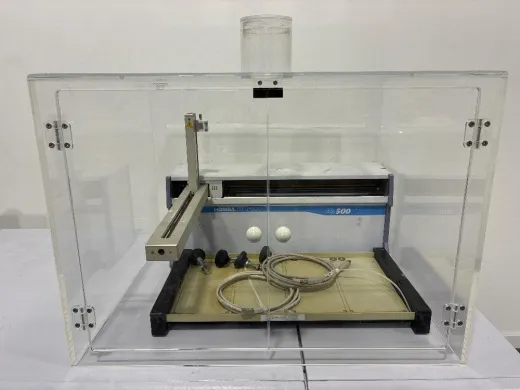
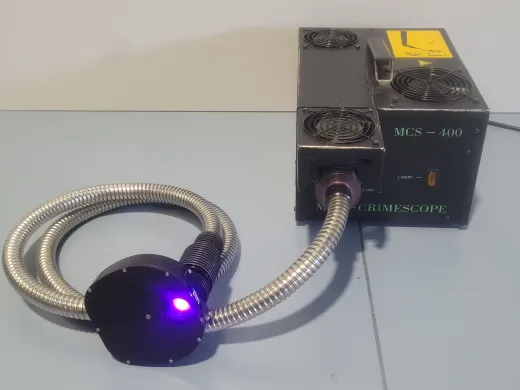
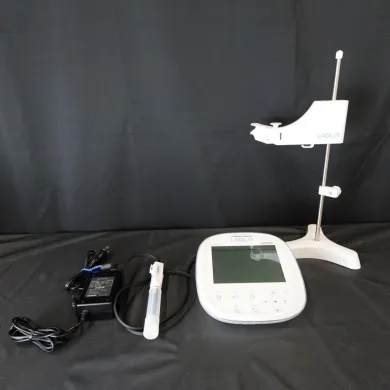
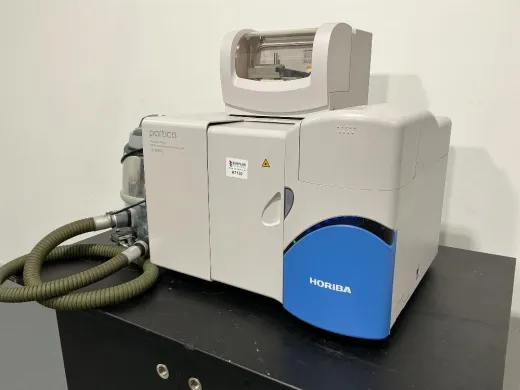


Not the exact instrument you need?
Tell our scientists what you are after. We track it down, including off-market supply.
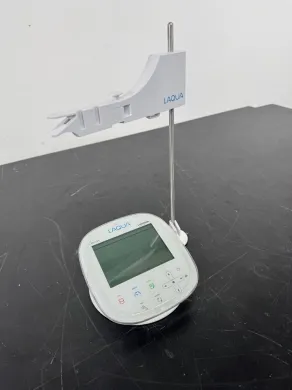
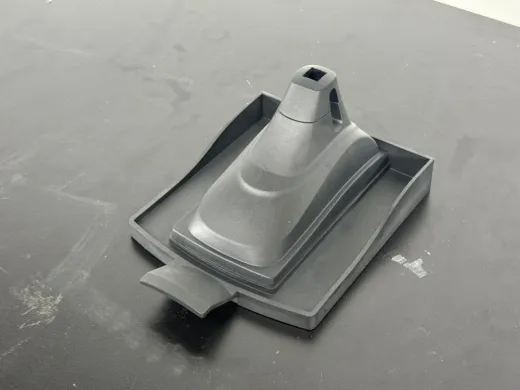
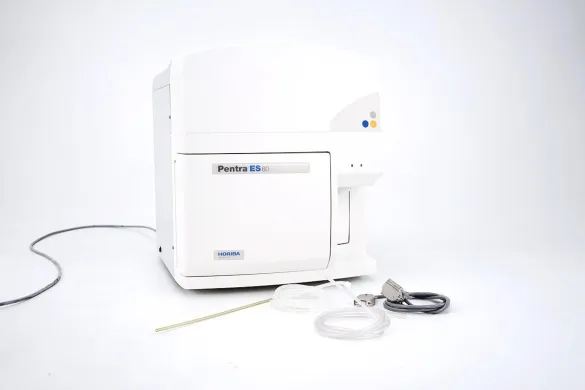
About HORIBA
HORIBA, Ltd. is a Japanese precision measurement and analytical instrument manufacturer based in Kyoto. It was founded in 1945 as Horiba Radio Laboratory by Masao Horiba, a nuclear physics student at Kyoto University, and the business pivoted to pH meter production in 1950 before formal incorporation as HORIBA, Ltd. in 1953. The company is independent, with no single controlling parent, and is publicly traded on the Tokyo Stock Exchange. Its product range covers scientific and analytical instruments, environmental measuring instruments, medical diagnostic analyzers, automotive emission measurement systems, semiconductor metrology equipment and particle characterization instruments. On Questpair, the HORIBA catalogue is made up entirely of used equipment listed by verified suppliers and distributors. What follows describes the product lines represented and how the listings break down.
HORIBA product lines on Questpair
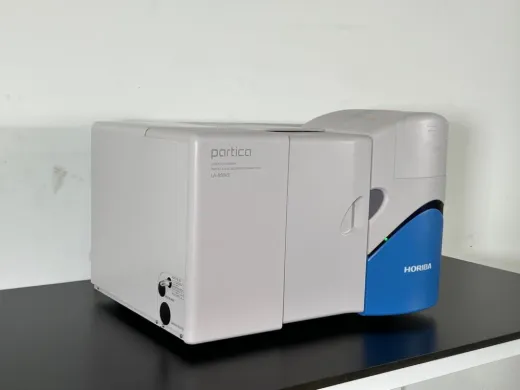
HORIBA sells under several named lines, each built for a different kind of measurement, and a buyer is best served by starting from the line that matches the work. HORIBA Scientific covers spectroscopy and Raman instruments, used to identify chemical compounds and to characterise materials in analytical chemistry and materials research. HORIBA Jobin Yvon covers optical and fluorescence systems, where fluorescence spectroscopy measures light re-emitted by a sample and supports work in photonics and molecular biology. The LA Series comprises laser particle size analyzers, which measure the size distribution of particles in powders and suspensions for formulation and quality control.
HORIBA ABX is the hematology line. These analyzers count and classify blood cells and are used in clinical laboratories and in molecular diagnostics, the field that reads cellular and molecular markers to inform testing. HORIBA MEXA and HORIBA MIRA serve automotive testing, with MEXA exhaust gas analyzers measuring emissions, a field adjacent to environmental monitoring rather than life sciences. Across these lines the common thread is measurement at known precision, whether the quantity is a wavelength, a particle diameter or a cell count. Several of these fields touch biotechnology and life sciences directly: fluorescence spectroscopy and Raman analysis are standard tools in protein and cell culture characterisation, and blood cell counting is routine in clinical and diagnostic laboratories. These instruments are also used for genomics-adjacent sample preparation where particle sizing and optical readout matter.
Because HORIBA spans optical, electrochemical and clinical instrumentation, the listings on Questpair are not interchangeable, and the model number on a given listing determines the technique, the sample type and the maintenance a unit needs. A buyer comparing two HORIBA items should confirm they belong to the same line before weighing them on price.
How the HORIBA listings break down
The Questpair catalogue for this brand contains 68 items, offered by 8 verified suppliers and distributors across 6 countries. 100 percent of the listings are used. That single condition makes the brand straightforward to read: there is no new stock to weigh against used within HORIBA here, so the comparison a buyer makes is between individual used units rather than between conditions.
Prices run from EUR 43 to EUR 35.672. The spread reflects how much the lines differ, with a small benchtop meter at one end and a complete spectroscopy or hematology system at the other. The average across the catalogue is EUR 3.801, though the individual listing is a better guide than the average given that range.
Where a HORIBA listing needs supporting material, documentation can be requested through Questpair, with specialists responding within the hour, and parts can be sourced via Questpair. Warranty is often possible and is arranged in consultation for the specific listing rather than set across the brand, so that question is settled against the unit a buyer is actually considering.
Questpair review of HORIBA
Our take based on listings data and supplier feedback
HORIBA is one of the wider-ranging names a laboratory buyer will encounter, and the spread of its instruments is the first thing worth understanding before reading a listing. The company grew out of a pH meter business in the early 1950s and expanded into optical spectroscopy, blood analysis, particle sizing and emission measurement over the following decades. On Questpair that history shows up as a catalogue drawn from several different product lines rather than a single class of device, so the first benefit, breadth across measurement disciplines, is grounded in what HORIBA actually builds rather than in marketing reach.
The HORIBA Scientific and Jobin Yvon lines cover Raman spectroscopy and fluorescence spectroscopy, techniques used to identify compounds and to characterise materials by how they scatter or re-emit light. These systems appear in materials research and in analytical chemistry, and the same optical expertise underlies the LA Series laser particle size analyzers, which measure the distribution of particle diameters in a suspension or powder. HORIBA ABX sits in a separate field entirely: hematology analyzers that count and classify blood cells for molecular diagnostics and clinical testing. A buyer reading these listings is therefore comparing instruments that answer very different questions, and the review benefit of breadth only helps once the specific technique is clear.
The second benefit, established research instruments at used prices, follows from the condition of the catalogue. Every HORIBA unit listed is used, so there is no new-versus-used decision to make within this brand on Questpair; the whole set is priced below new equivalents. Prices run from EUR 43 to EUR 35.672. That range is wide because it covers everything from a benchtop meter to a full spectroscopy system, and the average of EUR 3.801 says less than the individual listing does. Where warranty matters, it is arranged in consultation for the specific listing rather than set across the brand, so the listing itself is where that question gets answered.
The third benefit is supply from more than one source. The 68 HORIBA items come from 8 verified suppliers and distributors spread across 6 countries. For a buyer that means a particular analyzer or spectrometer is less likely to depend on a single seller, and that comparable units can sometimes be weighed against each other on specification and price. Parts for HORIBA instruments can be sourced via Questpair, and documentation can be requested through Questpair, with specialists responding within the hour. Taken together, the three benefits describe a brand whose value on the marketplace lies in range and in used pricing, provided the buyer starts from the instrument class they actually need.
**Breadth across measurement disciplines**
HORIBA equipment on Questpair spans spectroscopy, hematology, particle sizing and electrochemistry, drawn from product lines that were built for distinct laboratory fields rather than a single instrument type.
**Established research instruments at used prices**
Every HORIBA listing in the Questpair catalogue is a used unit, priced below new equivalents, with values running from EUR 43 to EUR 35.672.
**Supply from multiple sources**
The HORIBA listings come from 8 verified suppliers and distributors across 6 countries, which gives a buyer more than one route to a given instrument class.
Frequently asked questions
Where can I find manuals and documentation for a HORIBA instrument?
Documentation can be requested through Questpair, and specialists respond within an hour. Since the catalogue is used equipment, the material available depends on the specific listing, so name the model when you ask.
How much does a HORIBA instrument cost?
On Questpair, HORIBA listings range from EUR 43 to EUR 35.672, with an average of EUR 3.801. The spread reflects the difference between a small benchtop pH meter and a full spectroscopy or hematology system, so the individual listing tells you more than the average.
What is the difference between a refurbished and a used HORIBA unit?
A used unit is sold in its working condition as received, while a refurbished unit has been reconditioned before listing. Both are listed below the price of new equipment, and the exact condition is described on each individual listing.
Is a warranty available on HORIBA equipment here?
A warranty is often possible and is arranged in consultation for the specific listing rather than fixed across the brand. Settle that question against the unit you are actually considering.
Are HORIBA instruments suitable for clinical or research use?
HORIBA ABX hematology analysers count and classify blood cells for clinical and diagnostic laboratories, while HORIBA Scientific and Jobin Yvon cover Raman and fluorescence spectroscopy used in analytical chemistry and materials research. Match the line to your application, since the clinical and research instruments are not interchangeable.
How long does a HORIBA instrument last?
Lifespan depends on the instrument class, how heavily it was used and how it was maintained, so a benchtop pH meter and a spectrometer age differently. The condition described on each used listing is the practical guide for a given unit.
Can I get parts for a HORIBA instrument?
Parts can be sourced via Questpair. Because HORIBA spans optical, electrochemical and clinical instruments, specify the model so the correct component is identified.
What are good alternatives to HORIBA?
The alternative depends on the technique. For spectroscopy and Raman work you would compare against other optical instrument makers, for hematology against other blood analyser makers, and for pH and electrochemical meters against other electrochemistry suppliers, so start from the measurement you need rather than the brand.
What is the lead time on a HORIBA order?
Lead time is set by the individual supplier and the item's location, not centrally. Since listings come from verified suppliers and distributors across 6 countries, timing depends on the specific unit and its origin.
What is the difference between parts and spares for HORIBA equipment?
In practice both terms refer to replacement components for an instrument, whether a consumable, an electrode or an optical part. Either can be sourced via Questpair when you name the model it belongs to.
Can HORIBA equipment be shipped internationally?
Listings are offered by verified suppliers and distributors across 6 countries, so cross-border shipping is common. Arrangements and costs are handled per listing with the supplier holding the item.
Which HORIBA product lines exist and how do they differ?
HORIBA Scientific covers spectroscopy and Raman, Jobin Yvon covers optical and fluorescence systems, the LA Series covers laser particle size analysers, and HORIBA ABX covers hematology. HORIBA MEXA and MIRA serve automotive emission and vehicle testing, so each line is built for a different kind of measurement.
Which HORIBA instrument types are listed here and in what condition?
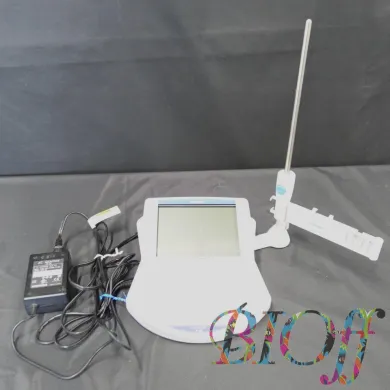
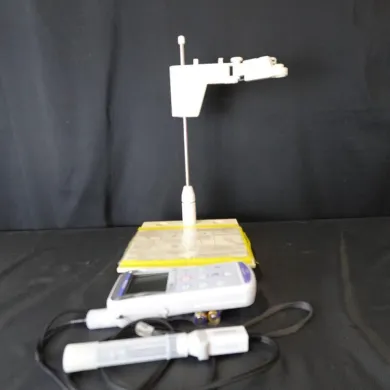
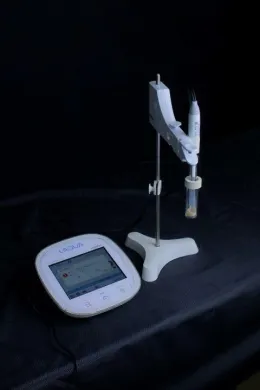
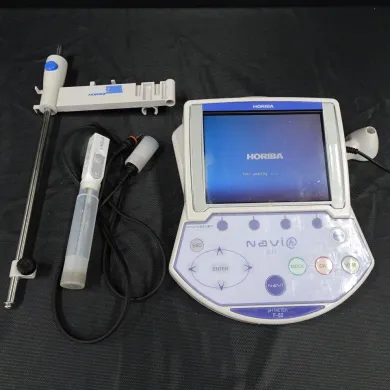
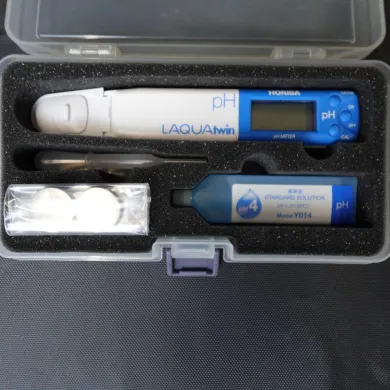
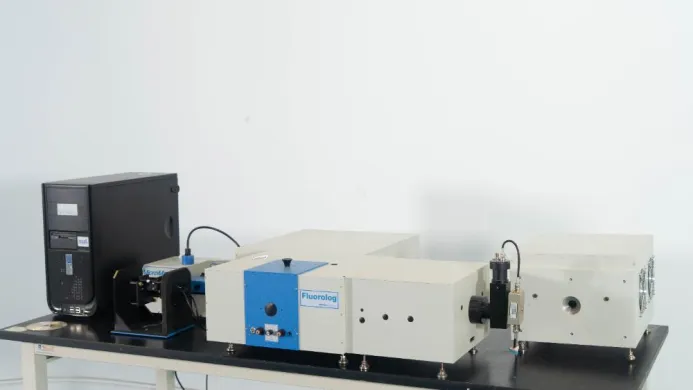
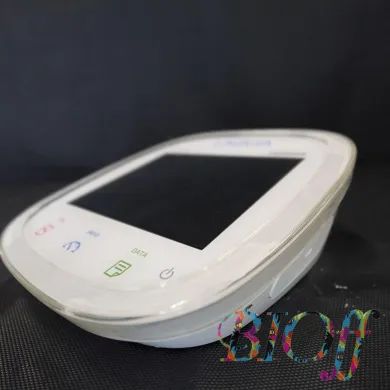
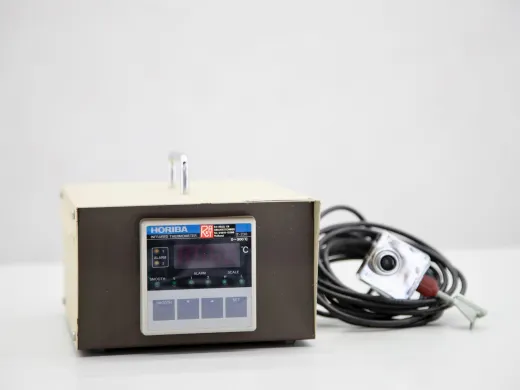
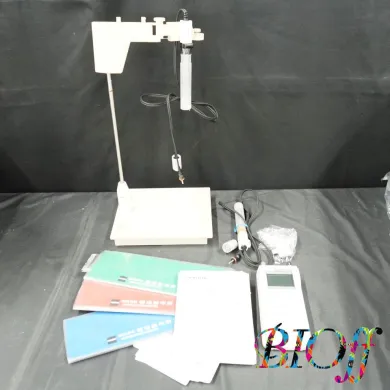
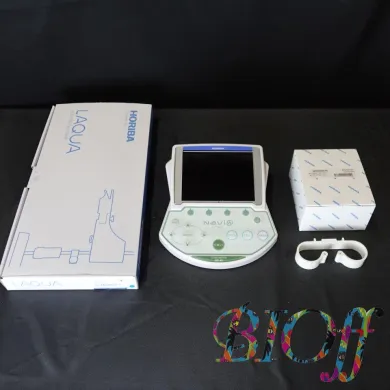
The types represented include benchtop pH meters, analytical instruments, pH meters, spectrofluorometers, electrochemical analysers and laboratory pH meters. 100 percent of the catalogue is used, so the comparison a buyer makes is between individual used units rather than between conditions.
What separates the cheapest HORIBA listings from the most expensive?
The low end is typically a small benchtop or laboratory pH meter, while the high end is a complete spectroscopy or hematology system with its optics and electronics. The gap between EUR 43 and EUR 35.672 tracks that difference in complexity and completeness, not a difference in condition, since the catalogue is used throughout.
About Questpair
Questpair is the European marketplace for lab equipment, where AI-prepared cases and personal specialists guide every purchase. We work with 247 verified suppliers across 38 countries to find buyers the right used, refurbished or new instruments, with response within 1 hour and significant savings vs buying new.
Personal · Fast · Reliable · Affordable