
Genlab equipment
We personally find you the right new, used & refurbished Genlab instruments & equipment from verified suppliers
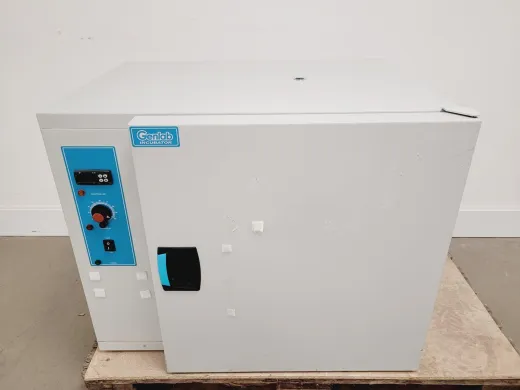
Genlab Limited is a British thermal laboratory and industrial equipment manufacturer that designs and builds ovens, incubators, and drying cabinets. Established in 1963 in Widnes, Cheshire, the company remains privately owned and manufactures its thermal engineering products in the United Kingdom. Its range spans laboratory ovens, industrial ovens, general purpose incubators, drying and warming cabinets, water baths, and material testing ovens, organised into the Classic, Prime, and E3 product families. On Questpair, used Genlab equipment is offered by verified suppliers and distributors, with 73 listings available across 3 countries.
Updated:
Genlab product list
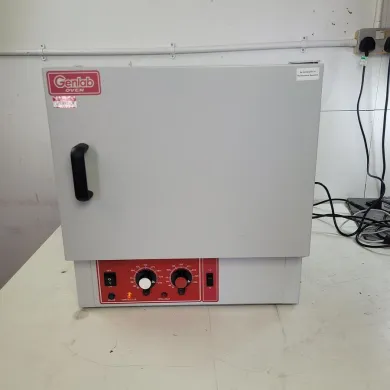
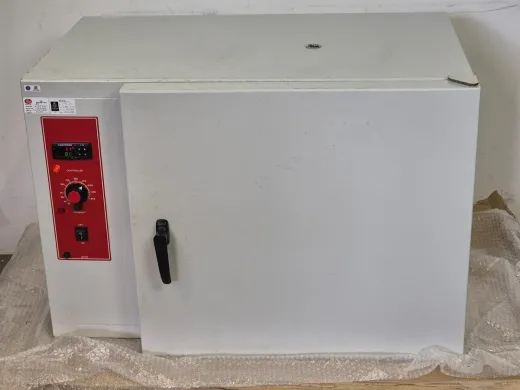
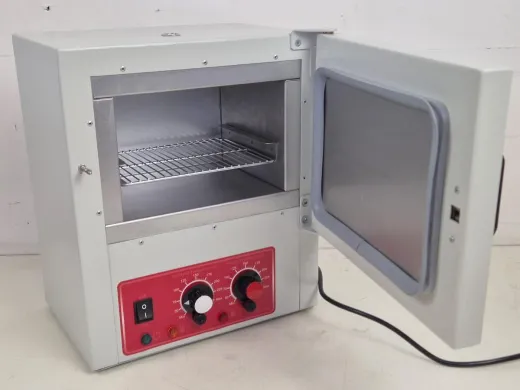
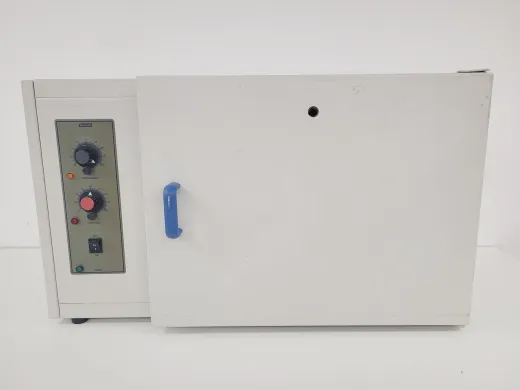


Not the exact instrument you need?
Tell our scientists what you are after. We track it down, including off-market supply.
About Genlab
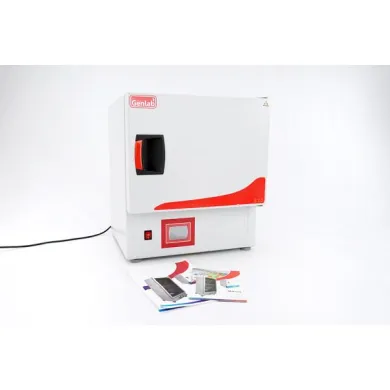
Genlab Limited is a British manufacturer of thermal laboratory and industrial equipment, founded in 1963 in Widnes, Cheshire. The company designs and builds laboratory ovens, industrial ovens, general purpose incubators, drying cabinets, warming cabinets, water baths, and material testing ovens. It remains privately owned, with no parent company, and manufactures from its UK base. Its catalogue is organised into recognisable product families, the Classic Range, the Prime Range, the E3 Drying Cabinets, the Prime Water Baths, and the Prime XL incubators. On Questpair, used Genlab equipment is listed by verified suppliers and distributors across several countries. This page is the Questpair catalogue for the brand.
Genlab product lines
The Classic Range is the entry point to the incubator line, built around three sizes. The MINO is the smallest, followed by the MINI and the MINIS, each a general purpose incubator sized for the bench and for routine culture work. The Prime Range sits above the Classic units in capacity and feature set, and the Prime XL incubators extend that further for larger sample loads. Alongside the incubators, the E3 Drying Cabinets handle glassware and sample drying, while the Prime Water Baths provide controlled-temperature baths for sample conditioning and gentle heating. The laboratory and industrial ovens, together with the material testing ovens, round out a line that stays within a single discipline: the stable, repeatable application of heat.
General purpose incubators of this kind do their most familiar work in microbiology, where bacterial culture depends on holding a set temperature over long, uninterrupted periods. They are also used for cell culture conditioning and for the controlled incubation steps that appear across molecular biology workflows, including the sample holds that precede many immunoassay and genomics protocols. A bench incubator that maintains temperature within a tight band is the quiet foundation under a great deal of life sciences work, and buyers searching for a laboratory incubator for bacterial culture or a general purpose incubator for cell culture are looking for exactly this class of enclosure.
The laboratory ovens serve a different set of tasks. Hot-air sterilization of glassware and instruments, moisture determination by drying to constant weight, and the drying stages of sample preparation all run in a laboratory drying oven. In materials and industrial settings, the material testing ovens apply controlled heat for curing, ageing, and conditioning tests. The drying and warming cabinets, meanwhile, dry washed glassware and warm reagents and media to working temperature before use, a step common in histology and microbiology benches. Across these uses the equipment shares one requirement, uniform temperature and a reliable controller, which is why the buying decision on a used unit turns on chamber condition rather than brand prestige.
Genlab equipment on Questpair
The Questpair catalogue lists 73 Genlab items from 5 verified suppliers and distributors across 3 countries. Every listing is second-hand: 100 percent of the listings are used. Prices range from EUR 118 to EUR 2.891. The average listing price is EUR 578. That range is broad because it spans small benchtop incubators at one end and larger ovens and testing cabinets at the other, so chamber size and configuration drive where any given unit falls.
Because these are used instruments, the detail that matters sits in the individual listing: the condition of the heating element, the door seal, and the controller, and whether any calibration record accompanies the unit. Where a buyer wants a warranty, it is arranged in consultation for the specific listing rather than applied across the catalogue. Replacement parts can be sourced via Questpair. For documentation or manuals on a particular model, a buyer can contact Questpair and specialists respond within an hour. Comparing more than one listing of the same model, where the catalogue offers it, is the straightforward way to judge condition against price before committing.
Questpair review of Genlab
Our take based on listings data and supplier feedback
Genlab occupies a narrow, well-defined position in laboratory equipment: it is a thermal specialist rather than a broad-line manufacturer, and that focus is the first thing worth weighing. Since 1963 the company has concentrated on heated enclosures, laboratory ovens, incubators, and drying cabinets, from one UK site. For a buyer comparing options on the used market, this history matters in a practical way. A manufacturer that has built the same class of instrument for six decades tends to keep designs in production for long runs, which improves the odds that a second-hand unit can be matched to an existing fleet or supported with compatible parts.
The product families on the Questpair catalogue reflect that continuity. The Classic Range covers the smaller MINO, MINI, and MINIS incubators, sized for the bench and for modest sample volumes. The Prime Range and the Prime XL incubators move up in capacity, and the E3 Drying Cabinets and Prime Water Baths extend the line into sample drying and water bath work. A lab that already runs one Genlab cabinet can often add capacity from the same family, which keeps control interfaces, chamber behaviour, and rack geometry consistent. That consistency is a real advantage when a protocol has been validated against a specific chamber and the lab wants to avoid revalidating against a different make.
General purpose incubators like these are used across microbiology for bacterial culture, in cell biology for sample conditioning, and in materials work where a stable set temperature is needed over long holds. Laboratory ovens from the same maker serve sterilization, moisture determination, and the drying steps that sit between sample preparation and analysis. The drying and warming cabinets handle glassware drying and the gentle warming of reagents and media. None of this is exotic, and that is the point: these are the workhorses of a working lab, and a used unit that holds temperature within specification does the job as well as a new one.
The second consideration is price. Every Genlab listing on the catalogue is second-hand, with 100 percent of the listings used. Prices run from EUR 118 to EUR 2.891. The average sits at EUR 578. That spread is wide because it covers both small benchtop incubators and larger industrial and material testing ovens, so the figure a buyer sees depends heavily on chamber size and configuration. The used-only nature of the catalogue is worth stating plainly: these are instruments that have been in service, and the condition of a heating element, door seal, and controller matters more than headline specification. The individual listing is where those details sit.
Supply is the third factor. The 73 listings come from 5 verified suppliers and distributors across 3 countries, which gives a buyer more than one source to compare on condition and price for a given model. Where a warranty is wanted, it is arranged in consultation for the specific listing rather than offered as a blanket term, so the sensible step is to raise it against the unit under consideration. Parts, where needed, can be sourced via Questpair.
**Thermal engineering focus since 1963**
Genlab has designed and built ovens, incubators, and drying cabinets from a single Widnes site since 1963, which means a buyer sources from a manufacturer that has specialised in laboratory heating for six decades rather than a general supplier.
**Classic and Prime ranges listed used**
The Questpair catalogue carries used Genlab units across the Classic Range (MINO, MINI, MINIS) and Prime Range, so a lab can match an existing cabinet or extend a fleet from the same product family.
**Priced below new across the range**
All 73 listings are second-hand, priced from EUR 118 to EUR 2.891, which places benchtop incubators and larger drying cabinets below their new equivalents.
Frequently asked questions
Where can I find manuals and documentation for a Genlab model?
For documentation or a manual on a specific Genlab model, contact Questpair and specialists respond within an hour. Because listings are second-hand, the exact paperwork that accompanies a unit varies, so it helps to name the model you are looking at.
How much does Genlab equipment cost?
Across the Questpair catalogue, Genlab prices run from EUR 118 to EUR 2.891, with an average of EUR 578. The spread reflects the difference between small benchtop incubators and larger ovens or testing cabinets, so chamber size and configuration set where a unit falls.
What's the difference between refurbished and used Genlab units?
A used unit is sold in its working condition as described in the listing, while a refurbished unit has been checked and brought back to a defined standard before sale. Both are listed below the price of new, and the detail that matters, such as heating element and controller condition, sits in the individual listing.
Does Genlab equipment on Questpair come with a warranty?
A warranty is often possible and is arranged in consultation for the specific listing rather than applied across the catalog. Ask about the unit you are considering before you commit.
Is Genlab equipment suitable for clinical and research work?
Genlab general purpose incubators are used for bacterial culture, cell culture conditioning, and the controlled incubation steps in molecular biology workflows, which covers a wide range of research benches. For clinical use, the deciding factors are the controller condition and whether a calibration record accompanies the unit, both detailed in the listing.
How long does Genlab equipment last?
Thermal equipment like ovens and incubators depends on the condition of the heating element, door seal, and controller rather than on age alone. On a used unit, the state of those components, visible in the listing, is a better guide to remaining life than the year of manufacture.
Can I get replacement parts for Genlab equipment?
Replacement parts can be sourced via Questpair. When enquiring, name the model and the component, such as the heating element or door seal, so the right part can be matched.
What are good alternatives to Genlab?
The Questpair catalogue lists related equipment under laboratory incubator, laboratory oven, biological incubator, digital incubator, and environmental chamber from other makers. Which one fits depends on whether you need a general purpose incubator, a drying oven, or a controlled-temperature chamber, so compare by category and chamber specification.
What is the lead time on a Genlab order?
Lead time depends on the individual listing and the supplier holding it, since these are second-hand units offered by verified suppliers and distributors across 3 countries. Contact Questpair with the listing you want for the specific timing.
What's the difference between parts and spares for Genlab equipment?
In practice the two terms refer to the same thing: replacement components such as heating elements, seals, or controller parts for a unit already in service. These can be sourced via Questpair by naming the model and the component you need.
Can Genlab equipment be shipped internationally?
Genlab listings come from verified suppliers and distributors across 3 countries, so cross-border shipping depends on the supplier holding the unit. Contact Questpair about the specific listing to confirm whether it can ship to your location.
What product lines does Genlab make and how do they differ?
The Classic Range is the entry incubator line in three sizes, the MINO, MINI, and MINIS, sized for the bench. The Prime Range sits above it in capacity and features, the Prime XL incubators extend that for larger loads, the E3 Drying Cabinets handle glassware and sample drying, and the Prime Water Baths provide controlled-temperature baths.
Which Genlab instrument classes are listed here and in what condition?
The Questpair catalog holds 73 Genlab items from 5 verified suppliers and distributors, spanning categories such as laboratory incubator, temperature control equipment, laboratory oven, and biological incubator. Every listing is second-hand, with 100 percent used, and the condition of each is described in its own listing.
What separates the cheapest Genlab listings from the most expensive?
The main driver is chamber size and configuration: small benchtop incubators sit at the lower end, while larger ovens and material testing cabinets sit at the top. Condition also matters, so the state of the heating element, door seal, and controller, along with any calibration record, affects where a given unit is priced.
About Questpair
Questpair is the European marketplace for lab equipment, where AI-prepared cases and personal specialists guide every purchase. We work with 247 verified suppliers across 38 countries to find buyers the right new, used or refurbished instruments, with response within 1 hour and significant savings vs buying new.
Personal · Fast · Reliable · Affordable