New, used and refurbished instruments from verified suppliers across Europe.
Whether you browse the marketplace yourself or hand it to our scientists, every quote comes from a real, verified supplier.
How it works →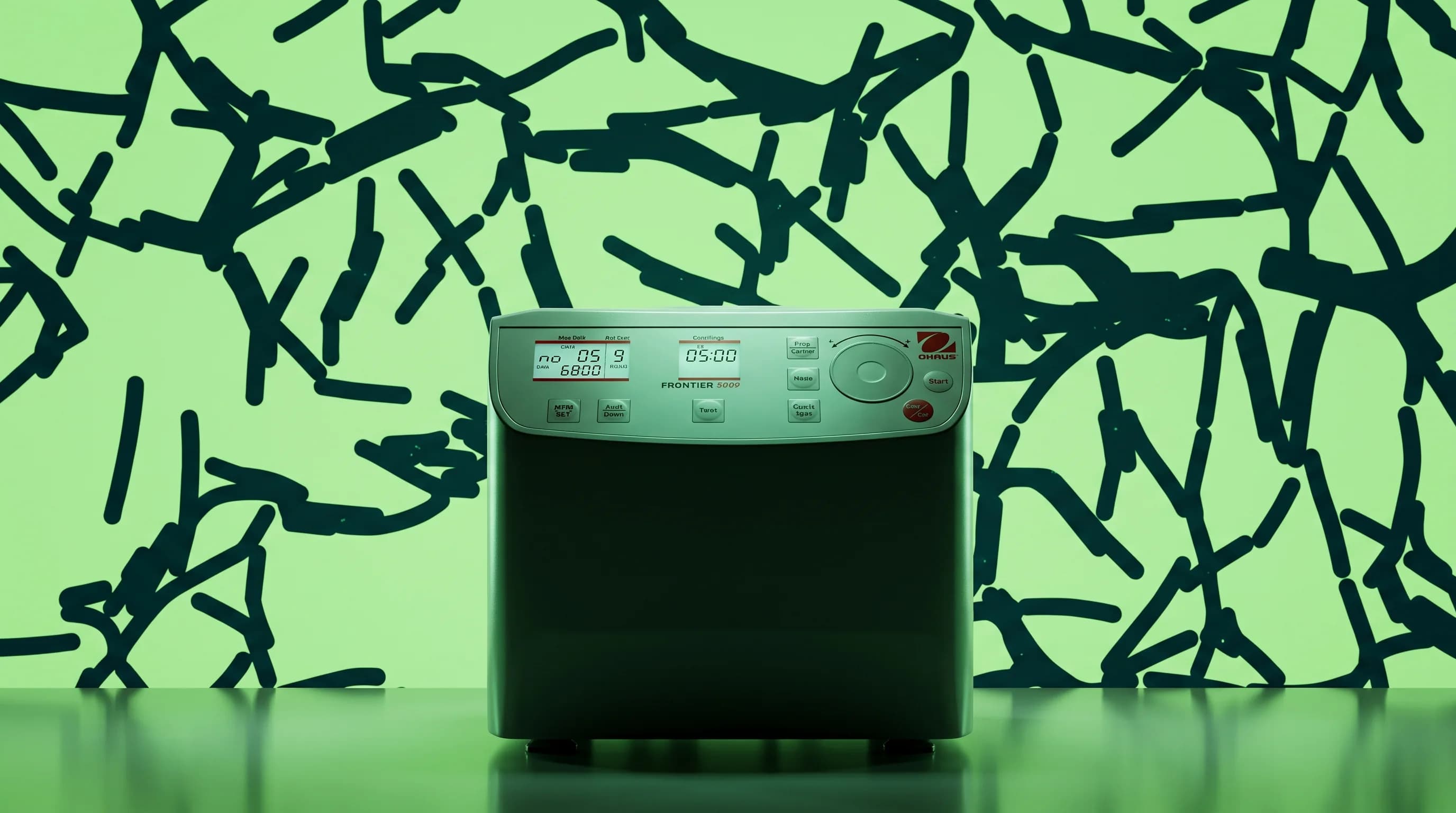
Off-market supply, discontinued models, single units hidden in a lab somewhere in Europe. Our scientists track down the instruments that never make it to a listing.
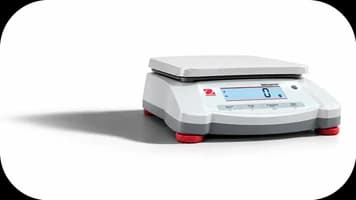
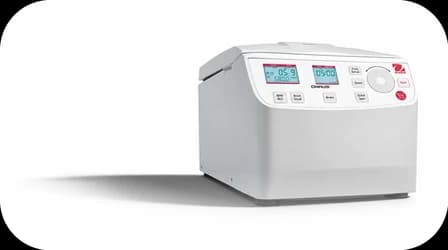
Let us find it →Ohaus Frontier 5000, 2017Lab equipment markets are fragmented. Buyers spend weeks calling distributors, comparing quotes, and verifying supplier reliability. Sellers struggle to reach global research labs.
We built Questpair to fix this. Every supplier on the platform is verified before listing. Every quote you receive comes from a real, vetted seller. AI prepares your case in minutes, then a real specialist takes over.
We're an independent team based in The Netherlands, working with research labs and procurement teams across Europe and worldwide.
Read our full story →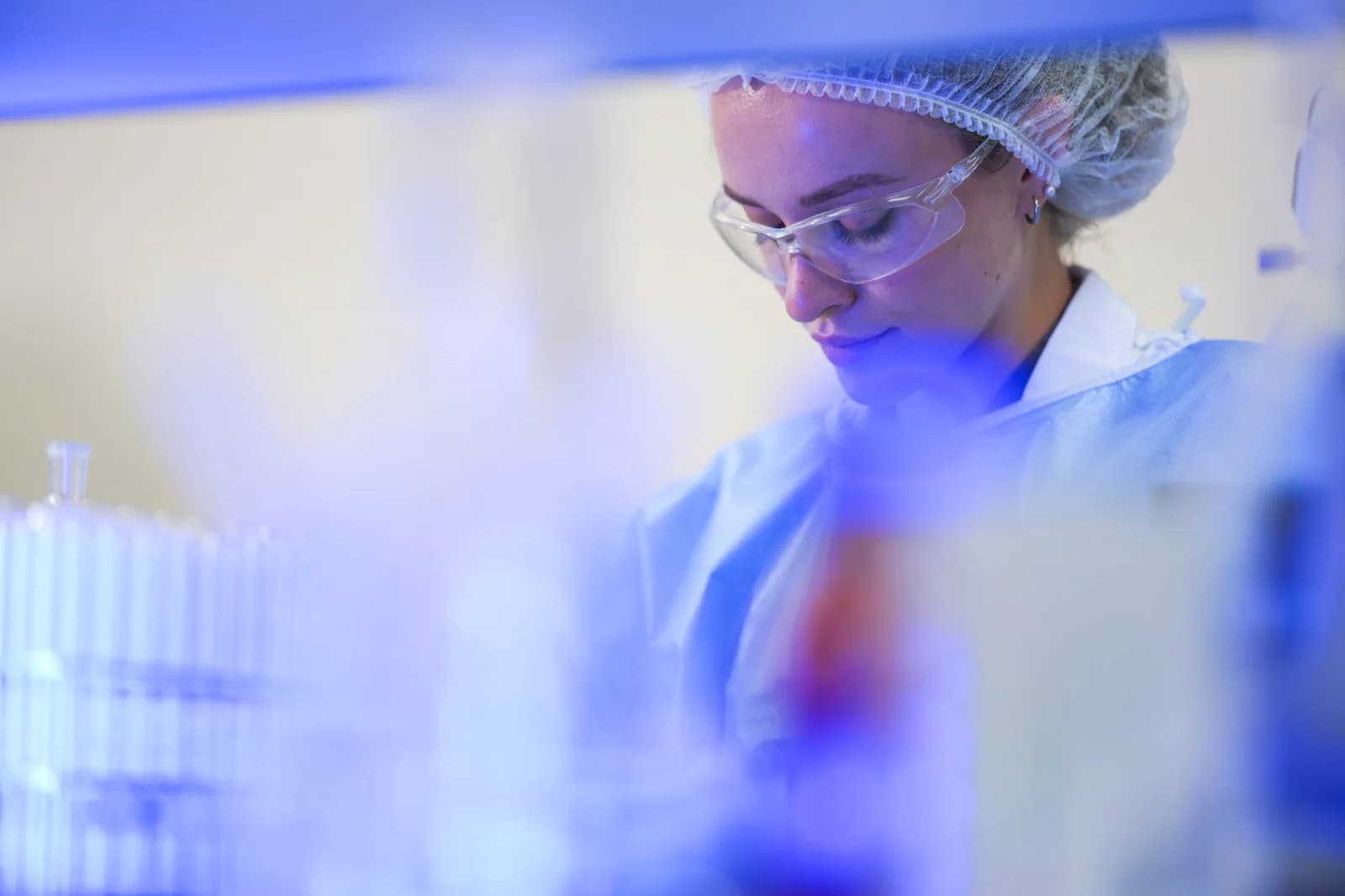

Co-founder & CEO

Co-founder & CTO

Technical Sales Specialist

Technical Sales Specialist

Data Scientist & AI Developer

Data analyst / sales & operations
Drag the cards
QuestPair sourced an Eppendorf 5424R within a week, including warranty validation. A specialist called back within 30 minutes of our request.
 Lab Manager
We compared quotes from three verified suppliers in the same day. Saved roughly 45% versus buying new, with full service support included.
 Procurement Officer
Questpair is the European marketplace where research labs, biotech companies, pharmaceutical firms and clinical laboratories source lab equipment from verified suppliers. We list used, refurbished and new instruments across analytical chemistry, life sciences, microscopy, centrifugation, chromatography, spectroscopy, and dozens of other equipment categories.
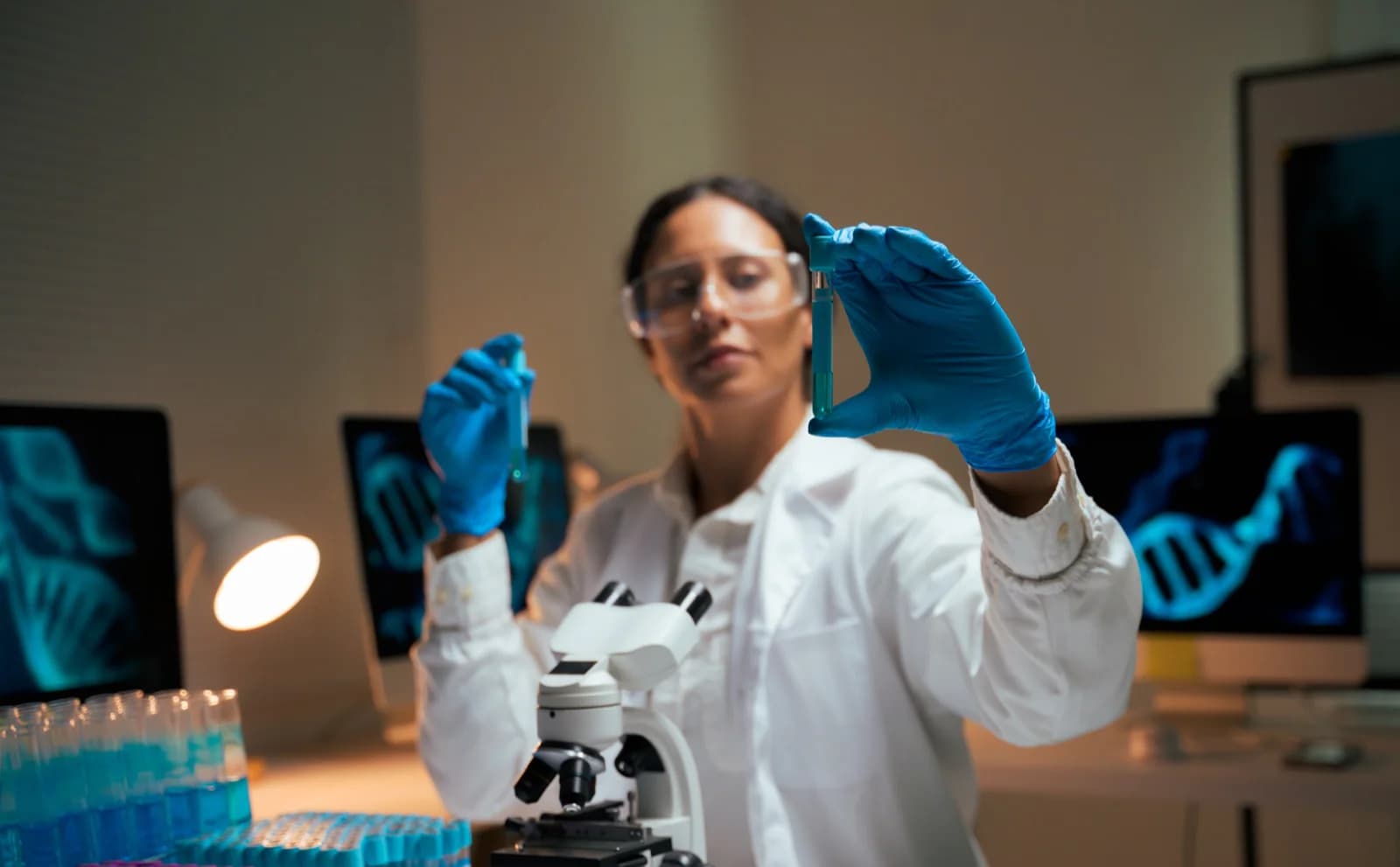
Questpair is the European marketplace for lab equipment, where AI-prepared cases and personal specialists guide every purchase. We work with 247 verified suppliers across 38 countries to find buyers the right used, refurbished or new instruments, with response within 1 hour and significant savings vs buying new.
Browse our marketplace, ask our AI, or let our team find what you need.
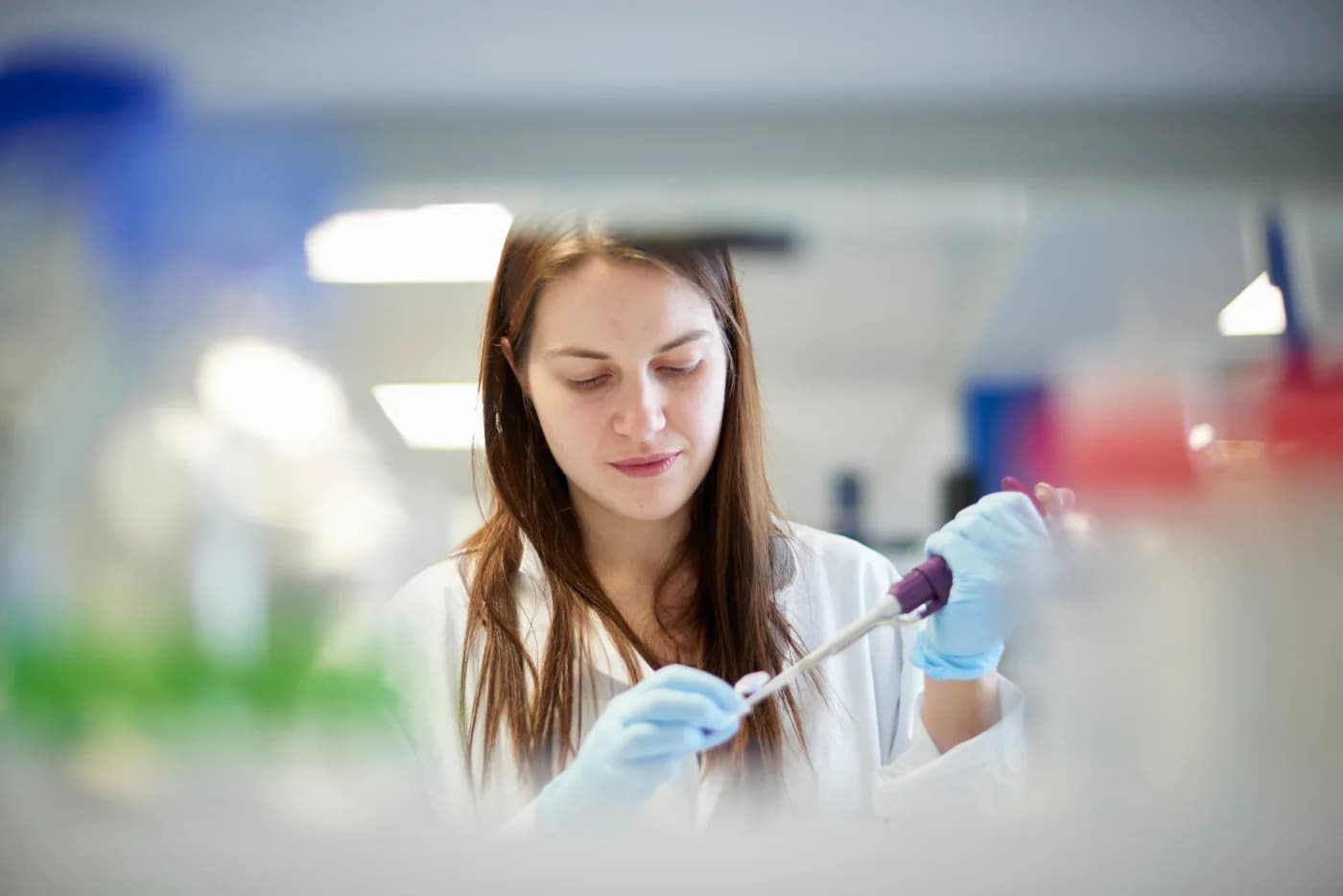
PersonalWe're personal: one specialist guides every purchase.
FastWe're fast: response within 1 hour, telephone whenever possible.
ReliableWe're reliable: every supplier verified, every quote real.
AffordableWe're affordable: refurbished equipment at significant savings, transparent quotes, no commitment to compare.
Cost savings versus buying new
Refurbished lab equipment offers significant cost savings versus buying new, typically 40–60% lower depending on category and condition.
Every refurbished listing on Questpair comes from a verified supplier who restored the equipment to working condition, with optional warranty and service support available.
Ships to 38+ countries across Europe, North America, Asia, and beyond.
The Netherlands, Germany, United Kingdom, France, Belgium
Questpair ships to 38+ countries across Europe, North America, Asia, and beyond. Suppliers are primarily based in The Netherlands, Germany, United Kingdom, France, Belgium, and other EU countries, providing fast shipping, EU compliance (CE-marking), and EUR pricing. International buyers benefit from English-language support, multi-currency pricing, and worldwide logistics coordination.
Reach 50.000+ active buyers across Europe and worldwide. Our verified-supplier program handles vetting, exposure, and lead routing, so you focus on closing deals.
Three ways to find what you need, personally guided, all with 1 hour response.