

Pumping systems
We personally find you the right used, refurbished and new pumping systems from verified suppliers.
Pumping systems are the fluid-handling devices that move, meter and transfer liquids or gases through a laboratory or production line, from microlitre dosing to continuous process flow. The Questpair catalogue lists 2216 pumping systems from 24 verified suppliers and distributors across 11 countries. Of those, 86 percent are used and the remainder new, so a buyer choosing between new, used and refurbished units works from a stock that leans heavily towards pre-owned laboratory equipment. Prices run from EUR 1 to EUR 1.549.601, a span wide enough to cover a single small pump head and a complete skid-mounted process installation.
Updated:
Pumping systems product list
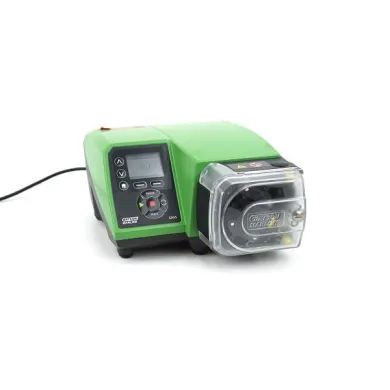
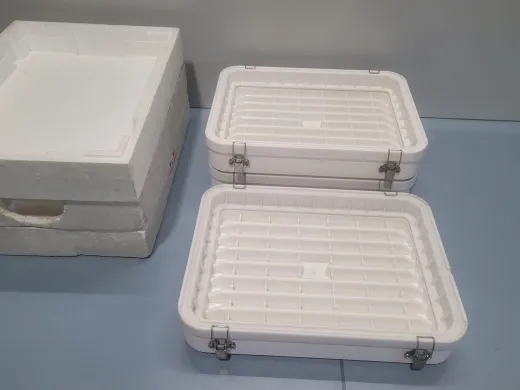
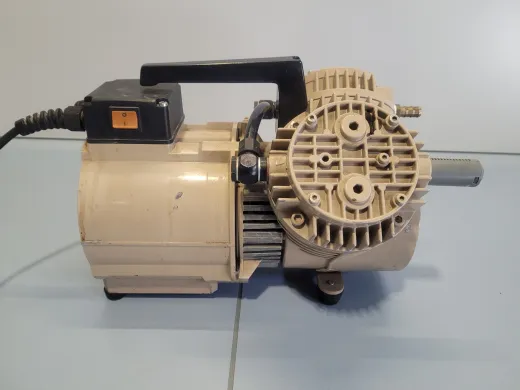
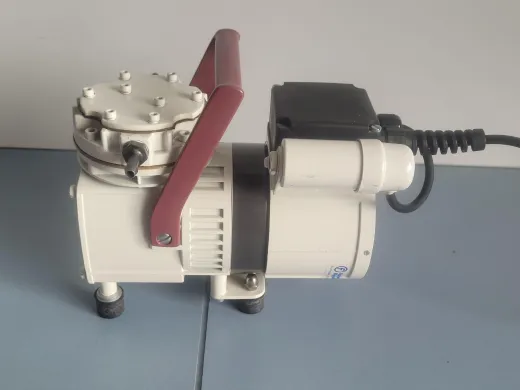


Not the exact instrument you need?
Tell our scientists what you are after. We track it down, including off-market supply.
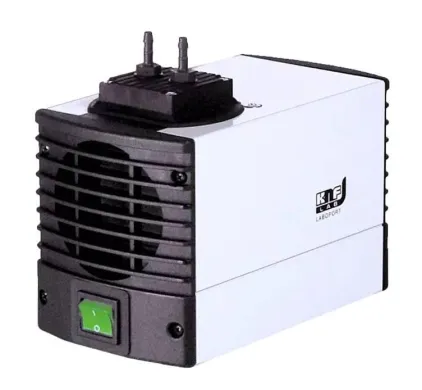
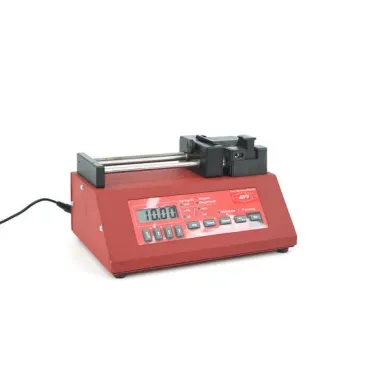
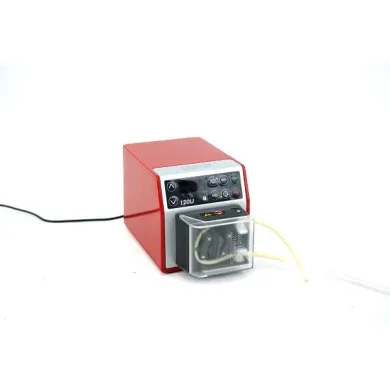

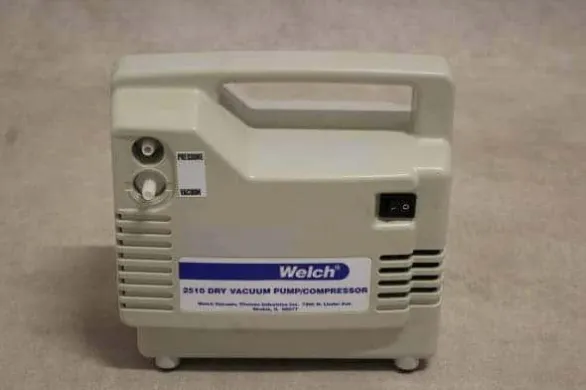
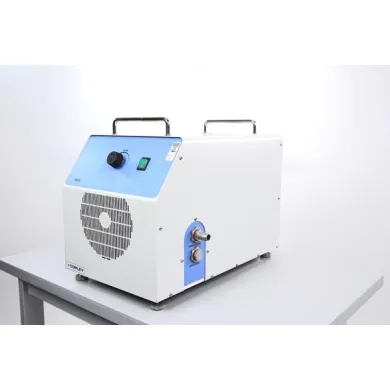
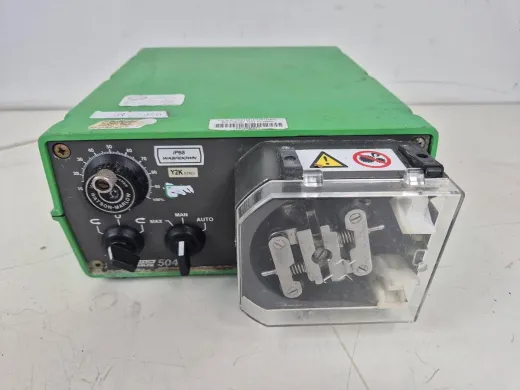
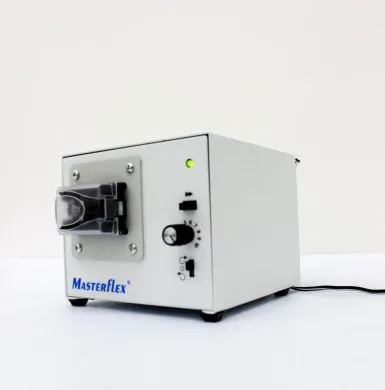
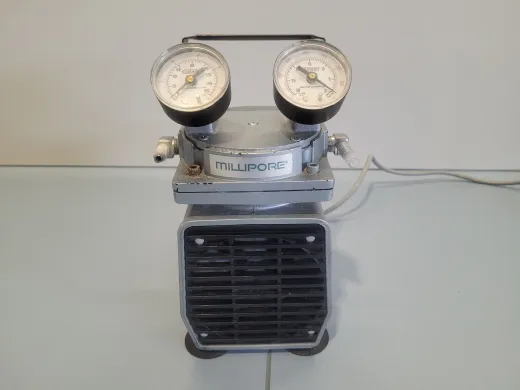
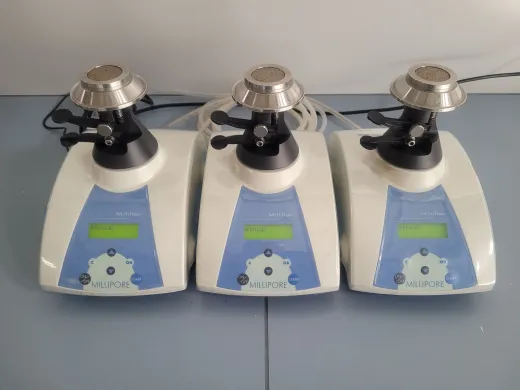
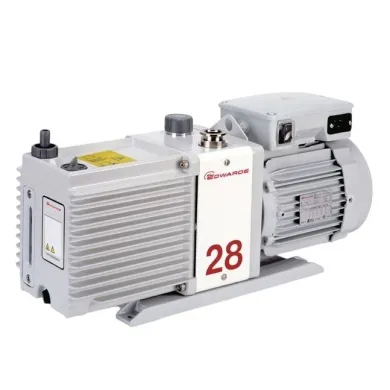
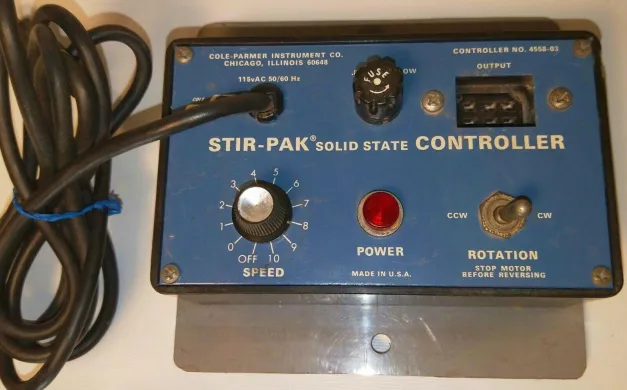
Not the exact instrument you need?
Tell our scientists what you are after. We track it down, including off-market supply.
Showing 1–40 of 1,040 listings
Show 40 more listingsBuying guide
How flow rate and pressure settle a pump choice
What a pumping system has to deliver decides nearly everything that follows, so start there. A pump is specified by the volume it moves per unit time and the pressure or vacuum it works against, and those two figures narrow the field before brand or condition enter the picture. A peristaltic head dosing reagent at a few millilitres a minute and a diaphragm vacuum pump pulling down a filtration manifold are not interchangeable, even where both carry the same maker's badge. Match the flow range to the work: metering and perfusion want fine control at low volume, fluid transfer wants throughput, and vacuum duty wants a stated ultimate pressure rather than a nominal one. Chemical compatibility sits alongside flow as a first filter, because the wetted materials, the tubing on a peristaltic unit or the diaphragm and valves on a diaphragm pump, have to survive what passes through them.
What to check on a used unit
Because 86 percent of the listings are used, condition verification is the step most buyers actually spend time on. A pump is a wearing device: peristaltic tubing perishes and occludes, diaphragms crack, vacuum pumps lose ultimate pressure as seals and oil degrade. Ask what the unit has pumped, how many hours it has run, and whether the wetted parts have been replaced recently. On a vacuum pump, a measured ultimate pressure tells you more than any service sticker. Replaceable consumables, tubing, diaphragms, valve plates, are the cheap part of ownership, so a unit sold without them is still worth considering if the body and motor are sound.
Where the price band sits
Prices span from EUR 1 to EUR 1.549.601. That range is not a quality scale; it is the distance between a bench peristaltic head and a full bioprocessing installation. A typical bench unit costs far less than the average listing of EUR 3.096 suggests, since the average is pulled upward by the largest systems. Used and refurbished pumps listed for sale are more affordable than new, and for a buyer working to a budget the pre-owned stock is where most of the catalogue sits. Brand presence shapes the band too: Cole-Parmer, Watson Marlow, Hamilton, KNF, Edwards appear often enough that models can be compared against one another rather than judged in isolation.
Types of Pumping systems
Which pump types are listed in pumping systems?
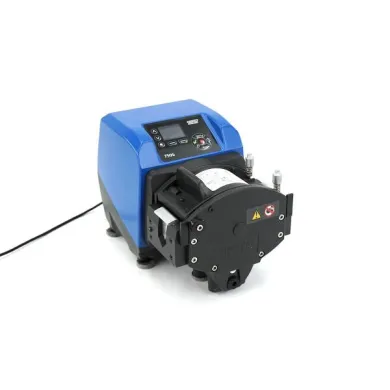
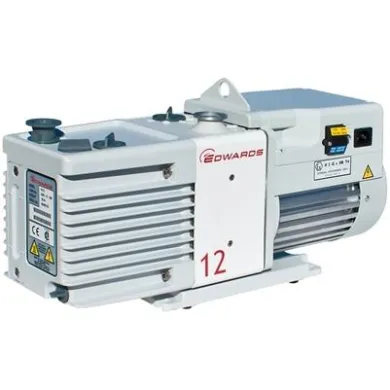
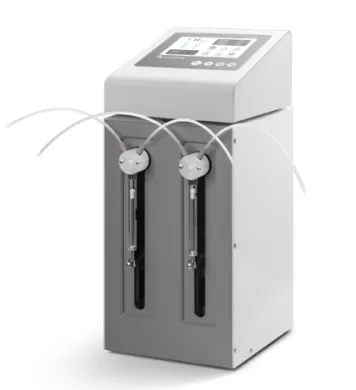
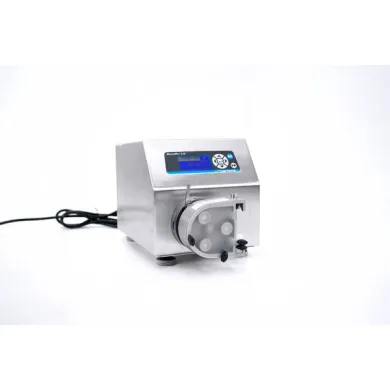
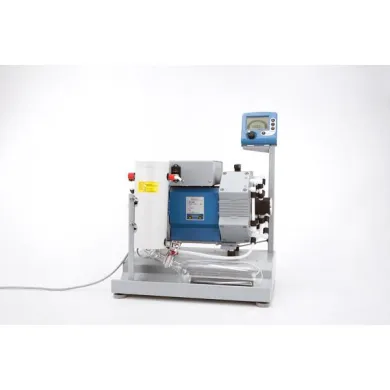
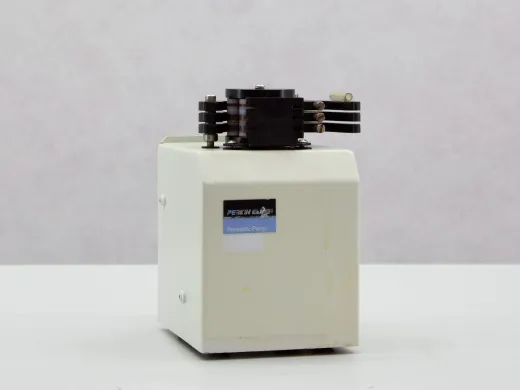
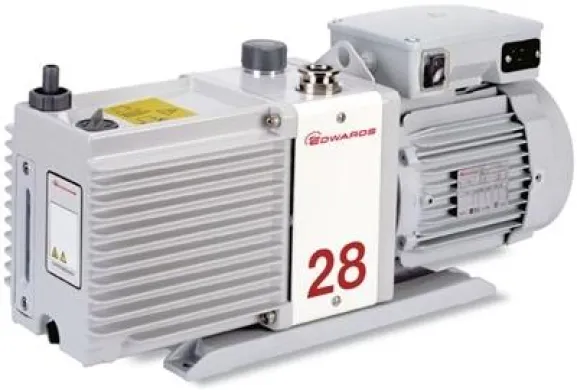
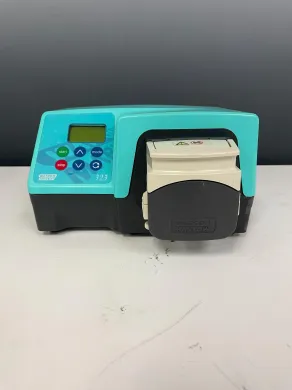
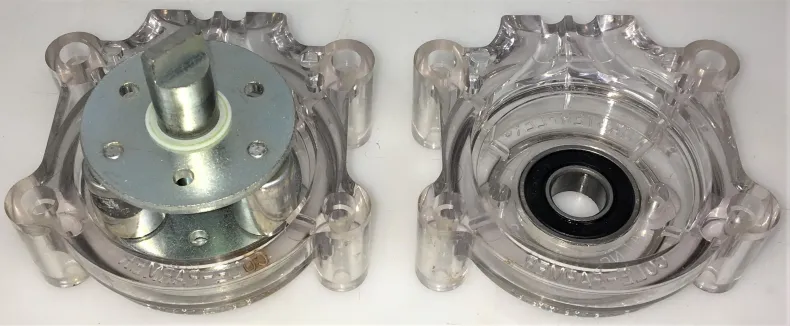
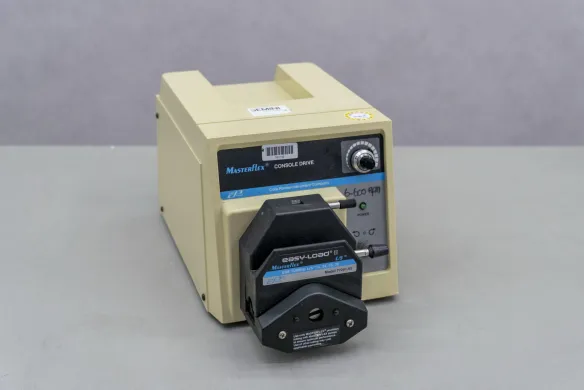
Among the listings that specify a type, the common forms are peristaltic pump, laboratory pump, vacuum pump, bioprocessing pump, diaphragm pump, fluid transfer pump. A peristaltic pump moves fluid by squeezing flexible tubing with a rotating roller, so the liquid touches only the tube and nothing else; that isolation makes it the standard for sterile and single-use work in cell culture and bioprocessing, where it handles media feeds and perfusion. A diaphragm pump uses a flexing membrane and check valves, and is reached for in vacuum filtration and the transfer of aggressive solvents that would attack other wetted parts. A vacuum pump, whether diaphragm, rotary vane or scroll, is defined by the ultimate pressure it reaches rather than its flow, and serves evaporation, freeze-drying and degassing. Laboratory pumps and fluid transfer pumps cover the general-duty moving of liquids between vessels where neither precise metering nor sterility is the deciding factor.
Several of these types do recognised work in biotechnology and the life sciences. Peristaltic units run the media feeds behind cell culture and biomanufacturing, and a laboratory peristaltic pump for cell culture is a routine fixture in protein purification rigs, where it drives sample and buffer across a chromatography column. Vacuum pumps underpin sample preparation across molecular biology, from degassing buffers for electrophoresis to drawing down a vacuum filtration manifold. Bioprocessing pumps are built for the single-use, low-shear flow that gene editing and synthetic biology workflows demand when moving fragile cell suspensions. These are application areas the equipment is also used for, named so a buyer sees where a given type belongs.
The brands behind the pumping system listings
The makers that recur are Cole-Parmer, Watson Marlow, Hamilton, KNF, Edwards. For a buyer, a familiar name on the listing means tubing, diaphragms and valve sets are straightforward to source through Questpair, and that two units of the same series can be compared on specification rather than guessed at. Some of these makers concentrate on peristaltic and process pumps, others on vacuum duty, so their presence also tells you which type dominates a given corner of the catalogue. A model from a well-represented maker is easier to price, because several comparable listings sit beside it.
What a used pumping system costs here
The split runs 1897 used against 316 new, so the stock is predominantly pre-owned. Prices cover EUR 1 to EUR 1.549.601, with the average at EUR 3.096. That spread reflects the gap between a small bench head and a complete process system rather than any difference in condition, and the used and new listings both occupy it.
Frequently asked questions
What is a pumping system?
A pumping system is a laboratory or process device that moves liquids or gases at a controlled rate. The category covers peristaltic, vacuum, diaphragm and fluid transfer designs used for dosing, filtration, recirculation and process feeds.
What does a pumping system mean in a lab context?
In a lab it refers to the equipment that drives fluid or gas movement where flow rate or vacuum level needs to be set and held. It spans bench units handling a single reagent line through to large installations feeding process equipment.
How do pumping systems work?
The mechanism depends on the design: peristaltic pumps squeeze a flexible tube with rotating rollers so the fluid never touches the pump, diaphragm pumps flex a membrane to displace liquid or gas, and vacuum pumps pull rather than push to create negative pressure. Fluid transfer pumps move a known volume from one vessel to another.
What types of pumping systems are there?
The types listed here include peristaltic pumps, laboratory pumps, vacuum pumps, bioprocessing pumps, diaphragm pumps and fluid transfer pumps. Each suits a different duty, from sterile dosing to filtration and process feeds.
What are pumping systems used for?
Uses include cell culture and sterile dosing, filtration, degassing and evaporation, metered chemical dosing, bioreactor feed and general liquid handling on the bench. Bioprocessing pumps also drive tangential flow filtration, perfusion and product transfer in biomanufacturing.
How do I choose a pumping system?
Match the pump to the duty: flow rate, pressure or vacuum depth, the media it contacts and whether contamination has to be ruled out. For peristaltic work check tubing size and head model against the published flow curve; for vacuum work decide between oil-sealed rotary vane for deep vacuum and dry diaphragm for a clean exhaust.
What is the difference between refurbished and used pumping systems?
A used unit is sold in its existing condition, while a refurbished one has been reconditioned before resale. Both appear here at lower prices than new, and the exact condition is described in the individual listing.
How much does a pumping system cost?
Prices range from EUR 1 to EUR 1.549.601, with an average of EUR 3.096. The spread is wide because a bare peristaltic head or small vacuum pump sits near the bottom while a fully instrumented process pump or skid-mounted bioprocessing system reaches the top, so read each listing against its duty.
What are the main pumping-system brands?
Brands that recur in this category are Cole-Parmer, Watson Marlow, Hamilton, KNF and Edwards. Watson Marlow and Cole-Parmer cover peristaltic lines, KNF and Edwards the diaphragm and vacuum end, and Hamilton precision fluidics for metering.
Is there a warranty on a refurbished pumping system?
A warranty is often possible and is arranged in consultation for the specific listing. Check the individual listing for its condition and any terms attached.
Can I get parts for a pumping system?
Parts such as spare heads, tubing, membranes, seals and valve kits can be sourced via Questpair. Recognised brands help here because their part numbers map cleanly to the consumables a unit needs.
How long does a pumping system last?
Lifespan depends on the design and the duty cycle, with wearing parts like tubing, membranes and seals replaced as they age rather than the whole unit. Peristaltic tubing is a routine consumable, while diaphragm and vacuum pumps are serviced through their seal and valve kits.
Should I buy a new or a used pumping system?
Used and refurbished units are listed at lower prices than new, which is the main difference to weigh. Compare the specific listing against the duty you need, and note that warranty is arranged in consultation per listing rather than set centrally.
Where can I buy a pumping system?
Pumping systems are listed on Questpair from 24 verified suppliers and distributors across 11 countries, with 2216 listings in total. New, used and refurbished units appear side by side so you can compare condition and price directly.
What is the lead time and shipping on a pumping system?
Lead time and shipping depend on the individual seller and the unit's location, which are shown on each listing. For a specific delivery timeframe you can contact Questpair, where specialists respond within an hour.
How do I calibrate and maintain a pumping system?
Maintenance centres on replacing wear parts, tubing on peristaltic pumps and membranes, seals and valves on diaphragm and vacuum pumps, and verifying flow or vacuum against the datasheet. Consumables and replacement parts can be sourced via Questpair.
Which pump types are listed most and who uses them?
Among listings that specify a type, peristaltic pumps are the most common because the fluid never contacts the mechanism, which suits cell culture and sterile dosing where contamination must be ruled out. Vacuum pumps go to filtration, degassing and evaporation work, while bioprocessing pumps are reached for in upstream and downstream processing, fermentation and chromatography skids.
Which brands dominate this category and what does that mean for a buyer?
Cole-Parmer, Watson Marlow, Hamilton, KNF and Edwards recur most often. Because these lines are widely documented, tubing sizes, head models, flow curves and valve kits are easy to cross-check, so a used unit can be matched against a datasheet rather than guessed at.
What separates the cheapest pumping systems from the most expensive here?
The bottom of the range is typically a bare peristaltic head or a small standalone vacuum pump with little instrumentation. The top is a fully instrumented process pump or a skid-mounted bioprocessing system built for continuous duty, which is why the band runs from EUR 1 to EUR 1.549.601.