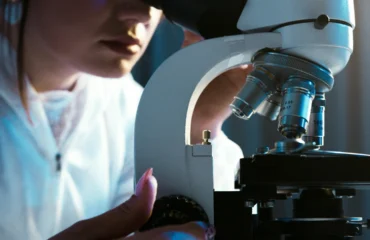

In the realm of healthcare, medical laboratories play a crucial role. These facilities rely on a variety of specialized equipment. These are used to analyze samples, conduct experiments, and perform various tests. Understanding the basic medical lab equipment is essential for healthcare professionals and researchers alike. In this guide, we’ll take a look into the fundamental instruments found in medical laboratories and explore their functions and importance.
The Basic Medical Lab Equipment Overview
- Microscopes – For examination of cells, tissues and microorganisms.
- Centrifuges – To separate components of a liquid sample.
- Incubators – To provide controlled environments for cultivation and growth.
- Analytical Balances – To measure the mass of substances.
- pH Meters – To measure the acidity or alkalinity of liquid samples.
- Autoclaves – To eliminate microbial contaminants from laboratory equipment.
- Spectrophotometers – To measure the absorbance or transmission of light by a substance.
- Refrigerators and Freezers – For storing temperature-sensitive reagents, samples, and specimens.
Microscopes
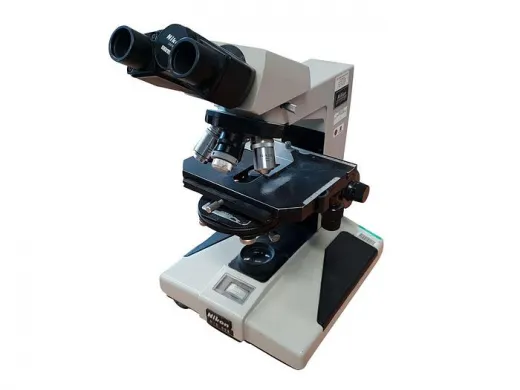
Microscopes are indispensable in medical laboratories. They allow for the examination of cells, tissues, and microorganisms. These instruments enable healthcare professionals to visualize minute structures and identify abnormalities that may indicate diseases or infections. One type of microscopes are light microscopes, which use visible light to magnify specimens. Besides the light microscopes you also have electron microscopes, which are used for higher magnification and resolution. These are commenly usesd in medical labs.
Centrifuges
Centrifuges are used to separate components of a liquid sample based on their density or size. By spinning samples at high speeds, the centrifuges generate centrifugal force. This force causes particles to settle at different levels within the sample tube. This process has multiple usecases. Think of isolating blood cells, separating serum or plasma from whole blood, and purifying DNA or proteins from biological samples. A must have for every medical lab.
Incubators
Incubators provide controlled environments for the growth of microorganisms, cells and tissues. These devices maintain precise temperature, humidity, and atmospheric conditions. This is beneficial to cell culture, microbial culture, and other biological processes. Incubators are essential for maintaining and a tool in every medical lab.
Analytical Balances
Analytical balances are highly sensitive instruments used to measure the mass of substances. The results are exceptional accurate and precise. Unlike traditional scales, analytical balances can detect minute differences in mass, making them ideal for weighing small quantities of samples. These balances are essential for preparing precise solutions and conducting quantitative analyses in medical laboratories.

pH Meters
pH meters are instruments used to measure the acidity or alkalinity of liquid samples based on their hydrogen ion concentration. In medical laboratories, pH meters are employed to assess the pH levels of multiple things like bodily fluids, culture media, and biochemical solutions. Accurate pH measurements are critical for maintaining physiological conditions in cell culture, monitoring chemical reactions, and diagnosing metabolic disorders.
Autoclaves
Autoclaves are sterilization devices to eliminate microbial contaminants from laboratory equipment, glassware, and medical instruments. They do this with the use of steam under pressure. By subjecting items to high temperatures and pressure, autoclaves ensure complete sterilization. This renders items safe for use in sterile environments and procedures. Autoclaving is essential for preventing infections, maintaining aseptic conditions, and complying with quality control standards in medical labs.
Spectrophotometers
Spectrophotometers are optical instruments used to measure the absorbance or transmission of light by a substance as a function of wavelength. These devices are indispensable for quantifying the concentration of analytes in solutions. With this you can determine the purity of compounds, and characterizing biomolecules such as nucleic acids and proteins. Spectrophotometry plays a crucial role in biochemical assays and pharmaceutical analysis.

Refrigerators and Freezers
Refrigerators and freezers are essentials for storing temperature-sensitive samples in medical laboratories. These appliances provide controlled cooling conditions to preserve the integrity of samples like biological materials, enzymes, vaccines and diagnostic reagents. Refrigeration and freezing are crucial for maintaining sample quality and ensuring accurate test results.
In the dynamic world of medical laboratories, basic equipment forms the cornerstone of research. From microscopes and centrifuges to incubators and spectrophotometers, each instrument plays an important role in facilitating critical tasks and advancing scientific knowledge. By understanding the functions and applications of basic medical lab equipment, healthcare professionals and researchers can optimize laboratory workflows and improve patient care. For more interesting facts and updates about the Laboratory Industry, take a look at our other blogs at QuestPair.